 devextreme-reactive
⚠️ [OBSOLETE] See https://js.devexpress.com/React/Documentation/Guide/React_Components/Migrate_from_DevExtreme_Reactive/
Top Related Projects

A draggable and resizable grid layout with responsive breakpoints, for React.

The best JavaScript Data Table for building Enterprise Applications. Supports React / Angular / Vue / Plain JavaScript.

Material UI: Comprehensive React component library that implements Google's Material Design. Free forever.

🤖 Headless UI for building powerful tables & datagrids for TS/JS - React-Table, Vue-Table, Solid-Table, Svelte-Table

Bootstrap components built with React

An enterprise-class UI design language and React UI library
Quick Overview
DevExtreme Reactive is a set of business-ready React components developed by DevExpress. It offers a collection of customizable and feature-rich UI components for building data-intensive applications, including grids, charts, and schedulers. The library focuses on providing high performance and flexibility for React developers.
Pros
- Comprehensive set of data visualization and management components
- High performance and optimized for large datasets
- Extensive customization options and theming support
- Regular updates and active maintenance by DevExpress
Cons
- Steeper learning curve compared to simpler UI libraries
- Some advanced features require a commercial license
- Documentation can be overwhelming for beginners
- Limited community-contributed extensions compared to more popular libraries
Code Examples
- Creating a basic grid:
import React from 'react';
import { Grid, Table, TableHeaderRow } from '@devexpress/dx-react-grid-material-ui';

const App = () => {
  const columns = [
    { name: 'id', title: 'ID' },
    { name: 'name', title: 'Name' },
    { name: 'age', title: 'Age' },
  ];
  const rows = [
    { id: 1, name: 'John', age: 30 },
    { id: 2, name: 'Jane', age: 25 },
  ];

  return (
    <Grid rows={rows} columns={columns}>
      <Table />
      <TableHeaderRow />
    </Grid>
  );
};
- Adding sorting functionality to the grid:
import React, { useState } from 'react';
import { Grid, Table, TableHeaderRow, SortingState } from '@devexpress/dx-react-grid-material-ui';

const App = () => {
  const [sorting, setSorting] = useState([]);

  return (
    <Grid rows={rows} columns={columns}>
      <SortingState
        sorting={sorting}
        onSortingChange={setSorting}
      />
      <Table />
      <TableHeaderRow showSortingControls />
    </Grid>
  );
};
- Creating a basic chart:
import React from 'react';
import { Chart, ArgumentAxis, ValueAxis, BarSeries } from '@devexpress/dx-react-chart-material-ui';

const App = () => {
  const data = [
    { year: '2015', population: 2.525 },
    { year: '2016', population: 2.625 },
    { year: '2017', population: 2.750 },
  ];

  return (
    <Chart data={data}>
      <ArgumentAxis />
      <ValueAxis />
      <BarSeries valueField="population" argumentField="year" />
    </Chart>
  );
};
Getting Started
To start using DevExtreme Reactive, follow these steps:
- Install the necessary packages:
npm install @devexpress/dx-react-core @devexpress/dx-react-grid @devexpress/dx-react-grid-material-ui
- Import and use the components in your React application:
import React from 'react';
import { Grid, Table, TableHeaderRow } from '@devexpress/dx-react-grid-material-ui';

const App = () => {
  // ... component logic
  return (
    <Grid rows={rows} columns={columns}>
      <Table />
      <TableHeaderRow />
    </Grid>
  );
};

export default App;
For more detailed information and advanced usage, refer to the official DevExtreme Reactive documentation.
Competitor Comparisons
A draggable and resizable grid layout with responsive breakpoints, for React.
Pros of react-grid-layout
- Lightweight and focused solely on grid layout functionality
- Highly customizable with a wide range of configuration options
- Supports both dragging and resizing of grid items
Cons of react-grid-layout
- Limited to grid layouts, lacking additional UI components
- Requires more manual setup for responsive designs
- Less comprehensive documentation compared to devextreme-reactive
Code Comparison
react-grid-layout:
import GridLayout from 'react-grid-layout';

<GridLayout
  className="layout"
  layout={layout}
  cols={12}
  rowHeight={30}
  width={1200}
>
  {children}
</GridLayout>
devextreme-reactive:
import { Grid, Table, TableHeaderRow } from '@devexpress/dx-react-grid-material-ui';

<Grid
  rows={rows}
  columns={columns}
>
  <Table />
  <TableHeaderRow />
</Grid>
Both libraries offer React components for creating grid-based layouts, but react-grid-layout focuses on drag-and-drop functionality, while devextreme-reactive provides a more comprehensive set of data grid features. react-grid-layout is ideal for creating dashboard-like interfaces, while devextreme-reactive is better suited for complex data presentation and manipulation.
The best JavaScript Data Table for building Enterprise Applications. Supports React / Angular / Vue / Plain JavaScript.
Pros of ag-grid
- More comprehensive feature set, including advanced filtering, grouping, and pivoting
- Better performance with large datasets, especially for client-side operations
- Extensive documentation and community support
Cons of ag-grid
- Steeper learning curve due to its complexity and extensive API
- More expensive licensing for enterprise features
- Heavier bundle size, which may impact initial load times
Code Comparison
ag-grid:
<AgGridReact
  columnDefs={columnDefs}
  rowData={rowData}
  defaultColDef={defaultColDef}
  onGridReady={onGridReady}
/>
devextreme-reactive:
<Grid
  rows={rows}
  columns={columns}
>
  <Table />
  <TableHeaderRow />
</Grid>
Key Differences
- ag-grid offers a more all-in-one solution, while devextreme-reactive follows a modular approach
- devextreme-reactive has a smaller footprint and may be easier to integrate into existing projects
- ag-grid provides more out-of-the-box functionality, whereas devextreme-reactive offers more flexibility in terms of customization
Both libraries are powerful data grid solutions, but they cater to different needs. ag-grid is better suited for complex enterprise applications with large datasets, while devextreme-reactive might be preferable for smaller projects or those requiring more granular control over grid components.
Material UI: Comprehensive React component library that implements Google's Material Design. Free forever.
Pros of Material-UI
- Larger community and ecosystem, with more third-party components and resources
- More comprehensive documentation and examples
- Better out-of-the-box theming and customization options
Cons of Material-UI
- Steeper learning curve for complex customizations
- Larger bundle size, which may impact performance in some applications
Code Comparison
Material-UI:
import { Button } from '@mui/material';

function MyComponent() {
  return <Button variant="contained">Click me</Button>;
}
DevExtreme Reactive:
import { Button } from 'devextreme-react/button';

function MyComponent() {
  return <Button text="Click me" />;
}
Both libraries offer React components for building user interfaces, but Material-UI follows the Material Design guidelines more closely. DevExtreme Reactive provides a wider range of data visualization and grid components, making it potentially more suitable for data-heavy applications.
Material-UI has a more active development cycle and frequent updates, while DevExtreme Reactive offers a more stable API with less frequent breaking changes. The choice between the two depends on project requirements, team familiarity, and specific use cases.
🤖 Headless UI for building powerful tables & datagrids for TS/JS - React-Table, Vue-Table, Solid-Table, Svelte-Table
Pros of TanStack Table
- Lightweight and flexible, with a smaller bundle size
- Framework-agnostic, supporting React, Vue, Solid, and more
- Extensive documentation and active community support
Cons of TanStack Table
- Steeper learning curve for complex table configurations
- Less out-of-the-box UI components compared to DevExtreme Reactive
Code Comparison
TanStack Table:
import { useTable } from '@tanstack/react-table'

const Table = () => {
  const { getTableProps, getTableBodyProps, headerGroups, rows, prepareRow } = useTable({ columns, data })
  // Render table using the returned properties and methods
}
DevExtreme Reactive:
import { Grid, Table, TableHeaderRow } from '@devexpress/dx-react-grid-material-ui'

const GridComponent = () => (
  <Grid rows={rows} columns={columns}>
    <Table />
    <TableHeaderRow />
  </Grid>
)
Summary
TanStack Table offers a more flexible and lightweight solution for table management across multiple frameworks, while DevExtreme Reactive provides a more comprehensive set of UI components out-of-the-box. TanStack Table may require more setup for complex scenarios but offers greater customization, whereas DevExtreme Reactive provides a quicker start with pre-built components at the cost of a larger bundle size.
Bootstrap components built with React
Pros of react-bootstrap
- Lightweight and focused solely on Bootstrap components for React
- Extensive documentation and large community support
- Easier learning curve for developers familiar with Bootstrap
Cons of react-bootstrap
- Limited to Bootstrap-style components and customization
- May require additional libraries for complex data visualization or grid functionality
Code Comparison
react-bootstrap:
import { Button, Alert } from 'react-bootstrap';

function MyComponent() {
  return (
    <div>
      <Button variant="primary">Click me</Button>
      <Alert variant="success">Success message</Alert>
    </div>
  );
}
devextreme-reactive:
import { Grid, Table, TableHeaderRow } from '@devexpress/dx-react-grid-material-ui';

function MyComponent() {
  return (
    <Grid rows={rows} columns={columns}>
      <Table />
      <TableHeaderRow />
    </Grid>
  );
}
The code examples highlight the different focus areas of the libraries. react-bootstrap provides simple Bootstrap components, while devextreme-reactive offers more complex data grid functionality.
devextreme-reactive is a more comprehensive suite of React components, including advanced features like data grid, scheduler, and charts. It offers greater flexibility and customization options but may have a steeper learning curve and larger bundle size compared to react-bootstrap.
An enterprise-class UI design language and React UI library
Pros of Ant Design
- Larger community and ecosystem, with more frequent updates and contributions
- More comprehensive UI component library, covering a wider range of use cases
- Better documentation and examples, making it easier for developers to get started
Cons of Ant Design
- Heavier bundle size, which may impact performance for smaller applications
- Less flexibility in customization compared to DevExtreme Reactive's modular approach
- Steeper learning curve due to the extensive API and component options
Code Comparison
Ant Design:
import { Table } from 'antd';

const columns = [
  { title: 'Name', dataIndex: 'name', key: 'name' },
  { title: 'Age', dataIndex: 'age', key: 'age' },
];

<Table dataSource={data} columns={columns} />
DevExtreme Reactive:
import { Grid, Table, TableHeaderRow } from '@devexpress/dx-react-grid-material-ui';

<Grid rows={data} columns={columns}>
  <Table />
  <TableHeaderRow />
</Grid>
Both libraries offer similar functionality for creating data tables, but Ant Design's approach is more concise, while DevExtreme Reactive provides a more modular structure with separate components for different parts of the grid.
Convert  designs to code with AI
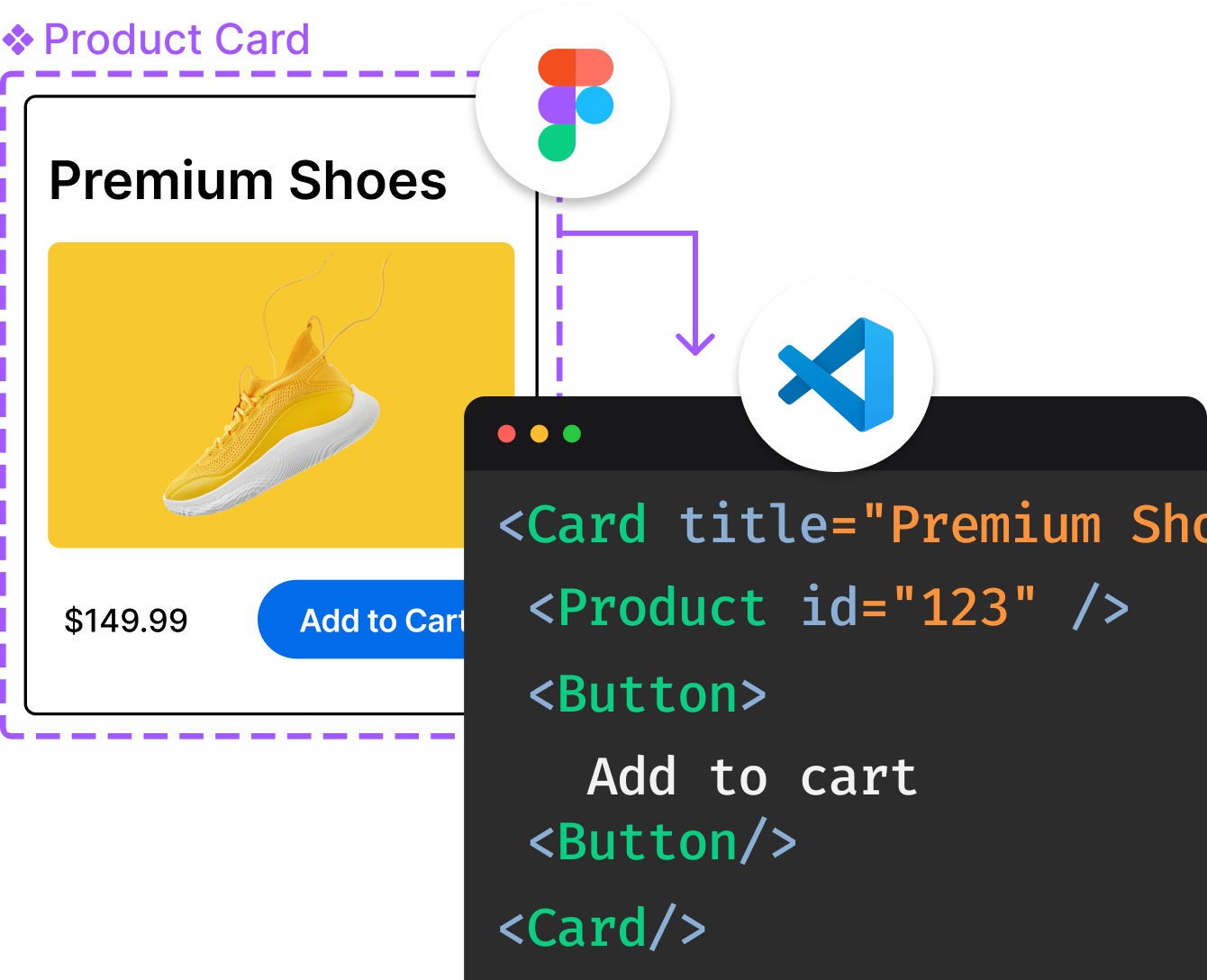
Introducing Visual Copilot: A new AI model to turn Figma designs to high quality code using your components.
Try Visual CopilotREADME
DevExtreme Reactive · 

DevExtreme Reactive is a set of React UI components with Bootstrap and Material-UI support.
:warning: DevExtreme Reactive Components - end-of-life (EOL)
DevExtreme Reactive component libraries have reached end-of-life (EOL) as of December 2025. We will no longer provide updates, bug fixes, or technical support for these UI libraries.
Developing a React App? Check out our updated React UI Suite instead. If you are considering React for an upcoming software project or have used DevExtreme Reactive components in the past, please visit js.devexpress.com/react and download a free trial version of DevExtreme React UI â over 80+ components designed to help you build your best, without limits or compromise.
Why we chose to end active development for the DevExtreme Reactive product line.
DevExtreme Reactive was an alternative to the main DevExtreme product line with the following objectives:
- Provide fully native components for Angular, React, and Vue. Reduce maintenance costs due to a shared codebase.
- Offer users of popular open-source UI suites such as Bootstrap, Vuetify, and MUI a rich set of UI components (DataGrid, Scheduler, Charts, etc).
- Introduce more flexibility via comprehensive APIs and a built-in plugin system.
Since the original release of DevExtreme Reactive, we reached the following conclusions:
- Of all our product suites, only the React line (with MUI integration) generated user interest. That market trend forced us to terminate our Reactive Angular and Reactive Vue produce lines.
- Due to the popularity of DevExtreme Reactive components for MUI, MUI chose to launch their own set of UI components.
- Based on research, we discovered that developers preferred out-of-the-box solutions versus writing highly customizable code manually. Accordingly, most opted to use React UI components shipping in our highly popular DevExtreme product library.
- We had to maintain two competitive product lines in parallel - using resources that could be better spent delivering additional value for our primary JS/TS product line (js.devexpress.com/react).
What Does End-of-Life Mean for You?
- No Further Updates: We will not deliver new functionality, bug fixes, or security updates for DevExtreme Reactive.
- Migration Resources: Developers are encouraged to migrate to DevExtreme React, Migration guides for common use cases are available on our website to help with this transition. Examples in the DevExtreme Reactive documentation now include a âMigrationâ tab â where you can view equivalent code implemented with the main DevExtreme React library.
- Support Closure: Technical support for DevExtreme Reactive officially ended in December 2025.
We appreciate your understanding and support. If you have any questions or need migration assistance, please submit a support ticket via the DevExpress Support Center. We will be happy to follow up.
Top Related Projects
A draggable and resizable grid layout with responsive breakpoints, for React.
The best JavaScript Data Table for building Enterprise Applications. Supports React / Angular / Vue / Plain JavaScript.
Material UI: Comprehensive React component library that implements Google's Material Design. Free forever.
🤖 Headless UI for building powerful tables & datagrids for TS/JS - React-Table, Vue-Table, Solid-Table, Svelte-Table
Bootstrap components built with React
An enterprise-class UI design language and React UI library
Convert designs to code with AI
Introducing Visual Copilot: A new AI model to turn Figma designs to high quality code using your components.
Try Visual Copilot