
Top Related Projects

Scripts which perform an installable binary image build for SONiC

BGP implemented in the Go Programming Language
Quick Overview
FRRouting (FRR) is an open-source routing software suite that provides implementations of various routing protocols, including OSPF, BGP, IS-IS, and more. It is designed to be a highly scalable and flexible routing solution for a wide range of network environments, from small home networks to large-scale enterprise and service provider networks.
Pros
- Comprehensive Routing Protocols: FRR supports a wide range of routing protocols, allowing network administrators to choose the most appropriate protocols for their specific network requirements.
- Scalability and Performance: FRR is designed to be highly scalable, capable of handling large and complex network topologies without compromising performance.
- Flexibility and Customization: FRR provides a modular architecture, allowing users to enable or disable specific routing protocols and features based on their needs.
- Active Community and Development: FRR has a large and active community of contributors, ensuring regular updates, bug fixes, and feature enhancements.
Cons
- Steep Learning Curve: Configuring and managing FRR may require a significant amount of expertise and experience in network administration and routing protocols.
- Dependency on Linux: FRR is primarily designed for Linux-based operating systems, which may limit its adoption in environments where other operating systems are preferred.
- Limited GUI Support: FRR primarily relies on command-line interfaces and configuration files, which may be less user-friendly for network administrators who prefer graphical user interfaces (GUIs).
- Potential Compatibility Issues: As an open-source project, FRR may occasionally encounter compatibility issues with certain hardware or software components, requiring additional troubleshooting and configuration.
Code Examples
N/A (FRRouting is not a code library)
Getting Started
N/A (FRRouting is not a code library)
Competitor Comparisons
Scripts which perform an installable binary image build for SONiC
Pros of SONiC
- Comprehensive network operating system with a broader scope than FRR
- Strong industry backing and active development from major tech companies
- Supports a wide range of network hardware and switch ASICs
Cons of SONiC
- More complex setup and configuration compared to FRR
- Steeper learning curve for users new to network operating systems
- Larger codebase and resource requirements
Code Comparison
SONiC (Python-based configuration):
config = ConfigDBConnector()
config.connect()
config.set_entry('VLAN', 'Vlan1000', {'vlanid': '1000'})
config.set_entry('VLAN_MEMBER', 'Vlan1000|Ethernet0', {'tagging_mode': 'untagged'})
FRR (Configuration in Quagga-style syntax):
vlan 1000
 name MyVLAN
!
interface Ethernet0
 switchport access vlan 1000
!
While both projects deal with network configuration, SONiC provides a more comprehensive solution for managing entire network operating systems, whereas FRR focuses specifically on routing protocols. SONiC's code tends to be more programmatic, often using Python for configuration, while FRR uses a more traditional CLI-style configuration syntax.
BGP implemented in the Go Programming Language
Pros of GoBGP
- Written in Go, offering better performance and easier deployment
- Lightweight and modular design, suitable for embedding in other applications
- Supports gRPC API for programmatic control and integration
Cons of GoBGP
- Limited routing protocol support (primarily focused on BGP)
- Smaller community and ecosystem compared to FRR
- Less extensive documentation and fewer enterprise-grade features
Code Comparison
GoBGP example (configuring a BGP peer):
peer := &api.Peer{
    Conf: &api.PeerConf{
        NeighborAddress: "192.168.1.1",
        PeerAs:          65001,
    },
}
s.AddPeer(context.Background(), &api.AddPeerRequest{Peer: peer})
FRR example (configuring a BGP peer):
router bgp 65000
 neighbor 192.168.1.1 remote-as 65001
 neighbor 192.168.1.1 activate
GoBGP focuses on programmatic configuration using Go code and gRPC, while FRR uses a more traditional CLI-based configuration approach. FRR offers a wider range of routing protocols and features, making it suitable for complex network environments. GoBGP excels in scenarios requiring lightweight BGP implementations or integration into custom applications.
Convert  designs to code with AI
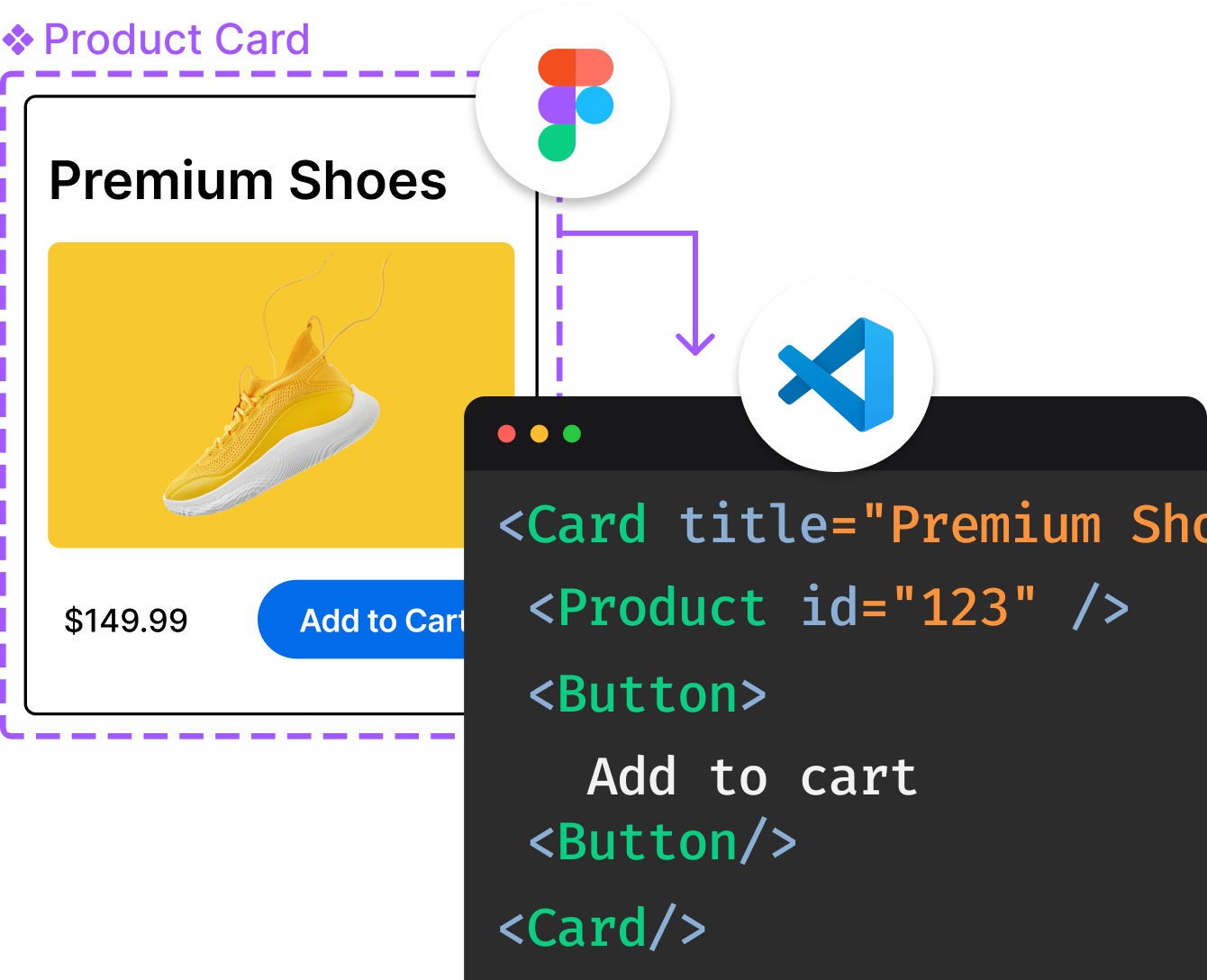
Introducing Visual Copilot: A new AI model to turn Figma designs to high quality code using your components.
Try Visual CopilotREADME

FRRouting

FRR is free software that implements and manages various IPv4 and IPv6 routing protocols. It runs on nearly all distributions of Linux and BSD and supports all modern CPU architectures. The project website is frrouting.org.
FRR currently supports the following protocols:
- BGP
- OSPFv2
- OSPFv3
- RIPv1
- RIPv2
- RIPng
- IS-IS
- PIM (SM, DM, SSM, MSDP)
- LDP
- BFD
- Babel
- PBR
- OpenFabric
- VRRP
- EIGRP (alpha)
- NHRP (alpha)
Not every protocol or feature is available on every platform; see the feature matrix in the user guide.
Centralized FRR configuration (work in progress): the mgmtd daemon applies YANG configuration to the routing protocol daemons through the northbound API (instead of each daemon only having its own legacy configuration path). Not all daemons are migrated yet; expect ongoing changes. See mgmtd in the user guide.
Installation & Use
For source tarballs, see the releases page.
Pre-built packages: APT for Debian and derivatives (deb.frrouting.org), and RPM for RHEL, Fedora, and related distributions (rpm.frrouting.org).
Instructions on building and installing from source for supported platforms may be found in the developer docs.
Once installed, please refer to the user guide for instructions on use.
Community
See lists.frrouting.org for the list index, subscription, and archives. The public lists include:
| Topic | List |
|---|---|
| Development | dev@lists.frrouting.org |
| Users & Operators | frog@lists.frrouting.org |
| Announcements | announce@lists.frrouting.org |
For chat, we use Slack. New members can join via the invite link on the community page.
Contributing
See submitting patches and enhancements and the commit guidelines when contributing. FRR maintains developer's documentation with the full project workflow and contributor expectations; technical documentation on internals is also available.
We welcome and appreciate all contributions, no matter how small!
License
Per-file licenses use SPDX identifiers; see COPYING and doc/licenses/.
The combined work is generally understood to be distributable under GNU
General Public License version 2 or later (GPLv2+); see COPYING for
details. FRR's documentation uses a separate custom permissive license (see
COPYING for background).
Security
To report security issues, please use our security mailing list:
security [at] lists.frrouting.org
Top Related Projects
Scripts which perform an installable binary image build for SONiC
BGP implemented in the Go Programming Language
Convert designs to code with AI
Introducing Visual Copilot: A new AI model to turn Figma designs to high quality code using your components.
Try Visual Copilot