
Top Related Projects

web development, streamlined

A declarative Svelte routing library with SSR support

Automated Svelte routes
Quick Overview
Svelte-spa-router is a lightweight, client-side router for Single Page Applications (SPAs) built with Svelte. It provides a simple and efficient way to handle routing in Svelte applications, supporting both hash-based and path-based routing.
Pros
- Easy to set up and use with a minimal learning curve
- Supports both hash-based and path-based routing
- Offers advanced features like nested routes, route parameters, and programmatic navigation
- Lightweight and performant, with no external dependencies
Cons
- Limited to client-side routing, not suitable for server-side rendering
- May require additional configuration for deployment on some hosting platforms
- Documentation could be more comprehensive for advanced use cases
- Smaller community compared to some other routing solutions
Code Examples
- Basic route configuration:
import Home from './routes/Home.svelte'
import About from './routes/About.svelte'
import NotFound from './routes/NotFound.svelte'

const routes = {
  '/': Home,
  '/about': About,
  '*': NotFound,
}
- Using the Router component:
<script>
  import Router from 'svelte-spa-router'
  import { routes } from './routes'
</script>

<Router {routes} />
- Programmatic navigation:
import { push, pop, replace } from 'svelte-spa-router'

// Navigate to a new route
push('/about')

// Go back to the previous route
pop()

// Replace the current route
replace('/new-route')
Getting Started
-
Install the package:
npm install svelte-spa-router -
Define your routes in a separate file (e.g.,
routes.js):import Home from './routes/Home.svelte' import About from './routes/About.svelte' export const routes = { '/': Home, '/about': About, } -
Use the Router component in your main App.svelte file:
<script> import Router from 'svelte-spa-router' import { routes } from './routes' </script> <Router {routes} /> -
Create your route components (e.g.,
Home.svelte,About.svelte) and start building your SPA!
Competitor Comparisons
web development, streamlined
Pros of SvelteKit
- Full-featured framework for building server-rendered and static sites
- Built-in development server, routing, and code-splitting
- Seamless integration with Svelte's reactivity system
Cons of SvelteKit
- Steeper learning curve due to its comprehensive nature
- May be overkill for simple single-page applications
- Requires server-side setup for full functionality
Code Comparison
svelte-spa-router:
import Router from 'svelte-spa-router'
import Home from './routes/Home.svelte'
import About from './routes/About.svelte'

const routes = {
  '/': Home,
  '/about': About
}
SvelteKit:
// src/routes/+page.svelte
<h1>Welcome to SvelteKit</h1>

// src/routes/about/+page.svelte
<h1>About Page</h1>

// File-based routing, no explicit configuration needed
svelte-spa-router is a lightweight client-side router for Svelte applications, ideal for simple single-page apps. It offers easy setup and minimal overhead.
SvelteKit, on the other hand, is a full-fledged framework that provides a more comprehensive solution for building Svelte applications. It includes server-side rendering, static site generation, and more advanced routing capabilities.
Choose svelte-spa-router for simple SPAs with client-side routing, and SvelteKit for more complex applications that require server-side rendering or static site generation.
A declarative Svelte routing library with SSR support
Pros of svelte-routing
- Supports nested routes, allowing for more complex routing structures
- Provides a
Linkcomponent for easy navigation between routes - Offers a
navigatefunction for programmatic navigation
Cons of svelte-routing
- Less actively maintained compared to svelte-spa-router
- Fewer stars and contributors on GitHub
- Limited documentation and examples available
Code Comparison
svelte-routing:
import { Router, Link, Route } from "svelte-routing";

<Router>
  <nav>
    <Link to="/">Home</Link>
    <Link to="/about">About</Link>
  </nav>
  <Route path="/" component={Home} />
  <Route path="/about" component={About} />
</Router>
svelte-spa-router:
import Router from 'svelte-spa-router'
import { link } from 'svelte-spa-router'

const routes = {
  '/': Home,
  '/about': About
}

<Router {routes} />
<a href="/" use:link>Home</a>
<a href="/about" use:link>About</a>
Both libraries provide routing solutions for Svelte applications, but they differ in their approach and feature set. svelte-routing offers a more React-like syntax with nested routes support, while svelte-spa-router provides a simpler API with better performance for single-page applications. The choice between the two depends on the specific needs of your project and personal preference.
Automated Svelte routes
Pros of Routify
- Automatic route generation based on file structure
- Built-in support for nested layouts and route transitions
- More comprehensive documentation and examples
Cons of Routify
- Steeper learning curve due to more advanced features
- Potentially more complex setup for simple projects
- Larger bundle size compared to svelte-spa-router
Code Comparison
Routify:
<script>
  import { Router } from "@roxi/routify";
  import { routes } from "../.routify/routes";
</script>

<Router {routes} />
svelte-spa-router:
<script>
  import Router from 'svelte-spa-router';
  import { routes } from './routes';
</script>

<Router {routes} />
Both libraries offer similar basic usage, but Routify's file-based routing system can lead to more concise route definitions. svelte-spa-router requires manual route configuration, which can be more explicit but potentially more verbose for larger applications.
Routify provides a more feature-rich solution with automatic route generation and nested layouts, making it suitable for complex applications. However, this comes at the cost of a steeper learning curve and potentially larger bundle size.
svelte-spa-router offers a simpler, lightweight solution that may be preferable for smaller projects or developers who prefer more manual control over their routing configuration.
Convert  designs to code with AI
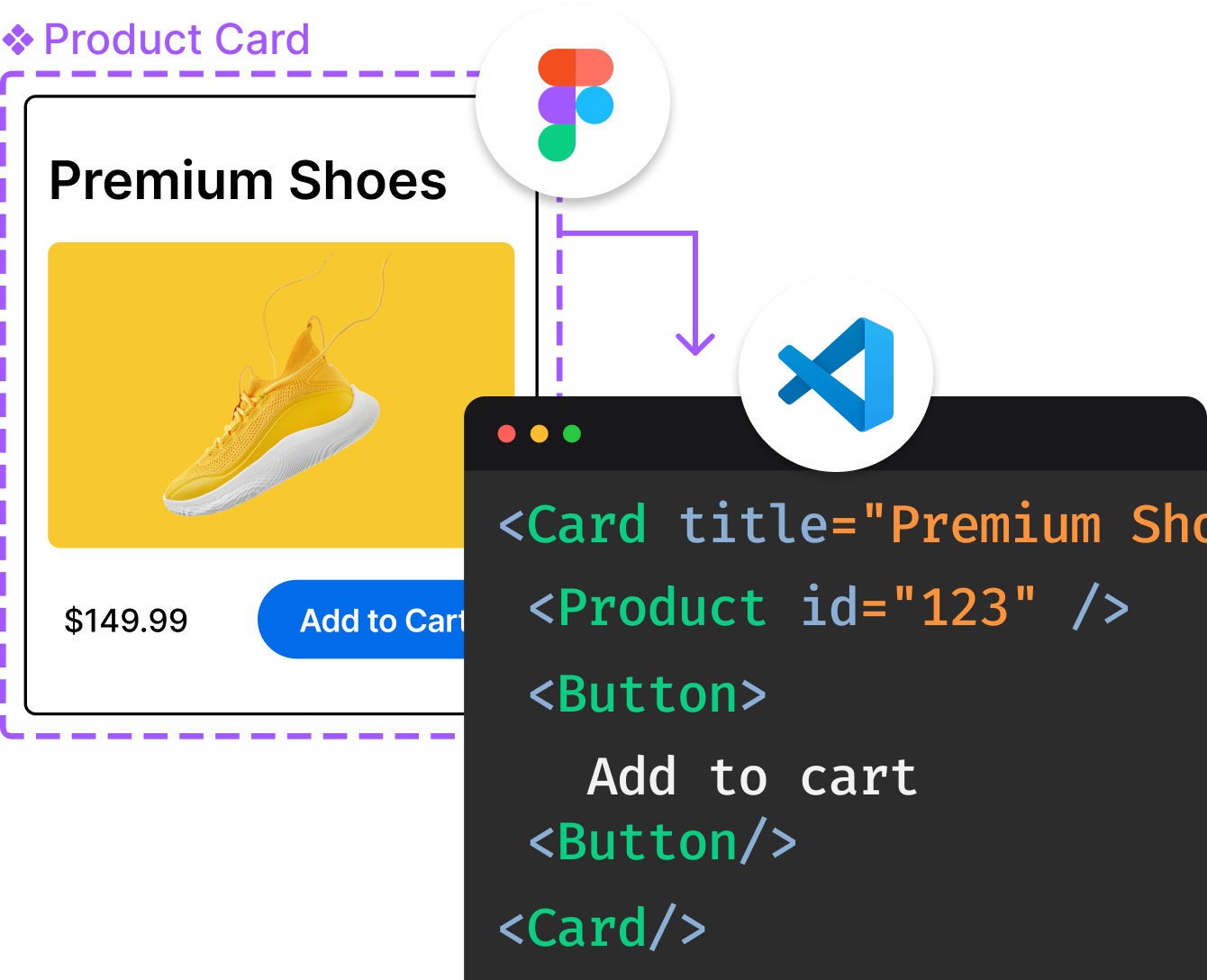
Introducing Visual Copilot: A new AI model to turn Figma designs to high quality code using your components.
Try Visual CopilotREADME
svelte-spa-router: hash-based router for Svelte 5

This package is a router for Svelte 5 applications, specifically optimized for Single Page Applications (SPA).
Main features:
- Leverages hash-based routing, which is optimal for SPAs and doesn't require any server-side processing
- Insanely simple to use, and has a minimal footprint
- Uses the tiny regexparam for parsing routes, with support for parameters (e.g.
/book/:id?) and more
This package is released under MIT license.
For support for Svelte 3 and 4, please use the (v4 branch)
Video
"So you want to pick a router?" talk by @ItalyPaleAle at Svelte Summit 2020. Includes an explanation of the two kinds of routers and a demo of svelte-spa-router.
(Click on the cover image to play the video on YouTube)

Hash-based routing
With hash-based routing, navigation is possible thanks to storing the current view in the part of the URL after #, called "hash" or "fragment".
For example, if your SPA is in a static file called index.html, your URLs for navigating within the app look something like index.html#/profile, index.html#/book/42, etc. (The index.html part can usually be omitted for the index file, so you can just create URLs that look like http://example.com/#/profile).
When I created this component, other routers for Svelte apps implemented navigation using the HTML5 history API. While those URLs look nicer (e.g. you can actually navigate to http://example.com/profile), they are not ideal for static Single Page Applications. In order for users to be able to share links or even just refresh the page, you are required to have a server on the backend processing the request, and building fully-static apps is much harder as a consequence.
Hash-based routing is simpler, works well even without a server, and it's generally better suited for static SPAs, especially when SEO isn't a concern, as is the case when the app requires authentication. Many popular apps use hash-based routing, including GMail!
Sample code
Check out the code in the examples folder for some usage examples.
To run the samples, clone the repository, build the package, then start a sample:
# From the repo root: install deps and build the package
pnpm install
pnpm run build
# Navigate to a sample
cd examples/â¦
# For example
cd examples/basic-routing
# Start a development server
pnpm install
pnpm run dev
The sample will be running at http://localhost:5173
Supported browsers
svelte-spa-router aims to support modern browsers, including recent versions of:
- Chrome
- Edge ("traditional" and Chromium-based)
- Firefox
- Safari
Support for Internet Explorer is not a goal for this project. Some users have reportedly been able to use svelte-spa-router with IE11 after transpilation (e.g. with Babel), but this is not guaranteed.
Documentation
All documentation lives on the website.
Quick links:
Top Related Projects
web development, streamlined
A declarative Svelte routing library with SSR support
Automated Svelte routes
Convert designs to code with AI
Introducing Visual Copilot: A new AI model to turn Figma designs to high quality code using your components.
Try Visual Copilot