
Quick Overview
Error generating quick overview
Convert  designs to code with AI
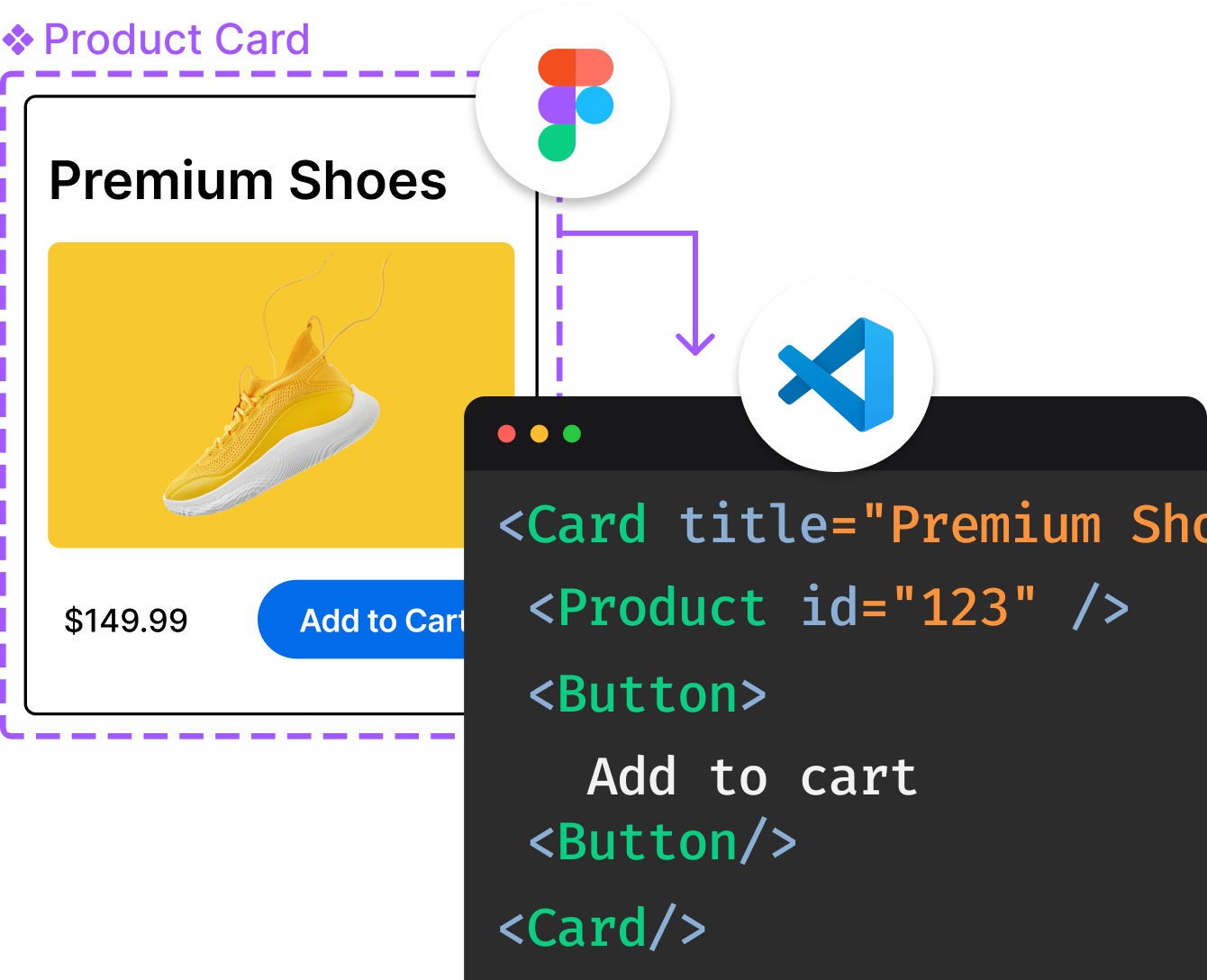
Introducing Visual Copilot: A new AI model to turn Figma designs to high quality code using your components.
Try Visual CopilotREADME
Kaggle CLI
The official CLI to interact with Kaggle.
Key Features
Some of the key features are:
- List competitions, download competition data, submit to a competition.
- List, create, update, download or delete datasets.
- List, create, update, download or delete models & model variations.
- List, update & run, download code & output or delete kernels (notebooks).
- Browse and read discussion forums.
Installation
Install the kaggle package with pip:
pip install kaggle
Additional installation instructions can be found here.
Quick start
Explore the available commands by running:
kaggle --help
See the User documentation for more examples & tutorials.
Hosting a competition
End-to-end host commands â scaffold a new competition, author its pages,
tune its settings, and launch it â are documented in
docs/competition_creation.md. Covers
kaggle competitions init, create, pages create, hosts,
settings get, settings update, and launch.
Development
kagglesdk Updates
New features that interact with kaggle.com probably require changes to the Python library, kagglesdk.
Make sure to bump the minimum version required for kagglesdk in the dependencies list specified in
[pyproject.toml][pyproject.toml]]. Make sure the required version is available on the
pypi.org kagglesdk project.
Prerequisites
We use hatch to manage this project.
Follow these instructions to install it.
Run kaggle from source
Option 1: Execute a one-liner of code from the command line
hatch run kaggle datasets list
Option 2: Run many commands in a shell
hatch shell

# Inside the shell, you can run many commands
kaggle datasets list
kaggle competitions list
...
Lint / Format
# Lint check
hatch run lint:style
hatch run lint:typing
hatch run lint:all     # for both

# Format
hatch run lint:fmt
Tests
Note: These tests are not true unit tests and are calling the Kaggle web server.
# Run against kaggle.com
hatch run test:prod

# Run against a local web server (Kaggle engineers only)
hatch run test:local
Integration Tests
To run integration tests on your local machine, you need to set up your Kaggle credentials. You can do this by following the authentication instructions.
After setting up your credentials, you can run the integration tests as follows:
hatch run test:integration
Code Coverage
We measure code coverage using pytest-cov.
To run unit tests with coverage and generate reports:
hatch run test:cov
This generates:
- Terminal output with a coverage summary.
coverage.xml(XML report in the root, used by IDE integrations).htmlcov/index.html(HTML report for browser viewing).
Editor Integration
VSCode
Install the Coverage Gutters extension. After running the coverage command, click the Watch button in the status bar to see coverage indicators in the editor margins.
JetBrains Rider
With the Python plugin installed:
- Run with Coverage: Create a Pytest run configuration and click the shield icon ("Run with Coverage").
- Import Report: Go to Tools -> Show Code Coverage Data, click Add (+), and select
coverage.xml.
Running hatch commands inside Docker
This is useful to run in a consistent environment and easily switch between Python versions.
The following shows how to run hatch run lint:all but this also works for any other hatch commands:
# Use default Python version
./docker-hatch run lint:all
Changelog
See CHANGELOG.
Contributing
See CONTRIBUTING.md.
License
The Kaggle CLI is released under the Apache 2.0 license.
Convert designs to code with AI
Introducing Visual Copilot: A new AI model to turn Figma designs to high quality code using your components.
Try Visual Copilot