
Top Related Projects
Build and run Docker containers leveraging NVIDIA GPUs

CLI tool for spawning and running containers according to the OCI specification

An open and reliable container runtime

The Moby Project - a collaborative project for the container ecosystem to assemble container-based systems

Production-Grade Container Scheduling and Management

:warning: This repository is deprecated and will be archived (Docker CE itself is NOT deprecated) see the https://github.com/docker/docker-ce/blob/master/README.md :warning:
Quick Overview
NVIDIA/libnvidia-container is a low-level library and a suite of utilities for configuring Linux containers with NVIDIA GPUs. It provides a stable, well-defined interface for integrating NVIDIA GPU support into container runtimes and orchestration platforms, ensuring that containerized applications can efficiently utilize NVIDIA GPUs.
Pros
- Enables seamless integration of NVIDIA GPUs into containerized environments
- Provides a consistent and reliable interface for container runtimes
- Supports a wide range of NVIDIA GPU architectures and driver versions
- Enhances security by implementing proper isolation and access control for GPU resources
Cons
- Limited to NVIDIA GPUs, not applicable for other GPU vendors
- Requires additional setup and configuration compared to standard container deployments
- May introduce complexity for users unfamiliar with GPU-accelerated containers
- Potential performance overhead in some scenarios due to the abstraction layer
Code Examples
# Example 1: List available NVIDIA devices
nvidia-container-cli list

# Example 2: Run a container with GPU support
docker run --runtime=nvidia --gpus all nvidia/cuda:11.0-base nvidia-smi

# Example 3: Configure GPU limits for a container
docker run --runtime=nvidia --gpus '"device=0,1"' nvidia/cuda:11.0-base nvidia-smi
Getting Started
To get started with libnvidia-container:
-
Install the NVIDIA Container Toolkit:
distribution=$(. /etc/os-release;echo $ID$VERSION_ID) curl -s -L https://nvidia.github.io/libnvidia-container/gpgkey | sudo apt-key add - curl -s -L https://nvidia.github.io/libnvidia-container/$distribution/libnvidia-container.list | sudo tee /etc/apt/sources.list.d/nvidia-container-toolkit.list sudo apt-get update && sudo apt-get install -y nvidia-container-toolkit -
Configure Docker to use the NVIDIA runtime:
sudo nvidia-ctk runtime configure --runtime=docker sudo systemctl restart docker -
Verify the installation:
docker run --rm --gpus all nvidia/cuda:11.0-base nvidia-smi
This should display information about the available NVIDIA GPUs in the container.
Competitor Comparisons
Build and run Docker containers leveraging NVIDIA GPUs
Pros of nvidia-docker
- Higher-level abstraction, easier to use for Docker integration
- Provides a complete solution for running GPU-accelerated Docker containers
- Includes runtime and CLI tools for seamless NVIDIA GPU support in Docker
Cons of nvidia-docker
- Depends on libnvidia-container, adding an extra layer of complexity
- May have slightly higher overhead due to the additional abstraction layer
- Less flexibility for custom low-level implementations
Code Comparison
libnvidia-container (low-level C API):
struct nvidia_container_config config = {0};
nvidia_container_t *cnt;
nvidia_container_init(&cnt, NULL, NULL);
nvidia_container_config_init(&config);
nvidia_container_setup(cnt, &config);
nvidia-docker (high-level Docker CLI):
docker run --gpus all nvidia/cuda:11.0-base nvidia-smi
Summary
libnvidia-container is a low-level library providing the core functionality for NVIDIA GPU support in containers, while nvidia-docker is a higher-level tool built on top of libnvidia-container, offering a more user-friendly interface for Docker users. libnvidia-container provides more flexibility and control, while nvidia-docker simplifies the process of running GPU-accelerated containers in Docker environments.
CLI tool for spawning and running containers according to the OCI specification
Pros of runc
- Widely adopted industry standard for container runtime
- Supports a broader range of container use cases beyond GPU-specific scenarios
- More extensive community support and contributions
Cons of runc
- Lacks native GPU support and NVIDIA-specific optimizations
- May require additional configuration for GPU passthrough in containers
- Not optimized for NVIDIA hardware acceleration out of the box
Code Comparison
runc:
func (r *Runc) Create(context context.Context, id, bundle string, opts *CreateOpts) error {
    args := []string{"create", "--bundle", bundle}
    if opts != nil {
        args = append(args, opts.AdditionalArgs...)
    }
    cmd := r.command(context, append(args, id)...)
    return runOrError(cmd)
}
libnvidia-container:
nvml_device_t dev;
int ret = nvmlDeviceGetHandleByIndex(i, &dev);
if (ret != NVML_SUCCESS) {
    return -1;
}
ret = nvmlDeviceGetUUID(dev, uuid, sizeof(uuid));
The code snippets demonstrate the different focus areas of the two projects. runc deals with general container creation, while libnvidia-container specifically handles NVIDIA GPU device management.
An open and reliable container runtime
Pros of containerd
- Broader scope and functionality as a general-purpose container runtime
- Widely adopted in the container ecosystem, used by Docker and Kubernetes
- Active development with frequent updates and community support
Cons of containerd
- Lacks built-in GPU support for NVIDIA hardware
- More complex setup and configuration for GPU-accelerated workloads
- Larger codebase and potentially higher resource overhead
Code comparison
containerd (Go):
func (c *Client) NewContainer(ctx context.Context, id string, opts ...NewContainerOpts) (Container, error) {
    ctx, done, err := c.withLease(ctx)
    if err != nil {
        return nil, err
    }
    defer done(ctx)
libnvidia-container (C):
int nvidia_container_cli_create(struct nvidia_container_cli *ctr, const char *container_id,
                                const char *rootfs, const char *config_path)
{
    int ret = -1;
    char *args[] = {ctr->path, "create", "--pid", ctr->pid, container_id, rootfs, config_path, NULL};
Summary
containerd is a more versatile container runtime with broader adoption, while libnvidia-container focuses specifically on NVIDIA GPU support for containers. containerd requires additional setup for GPU workloads, whereas libnvidia-container provides native GPU integration but with a narrower scope.
The Moby Project - a collaborative project for the container ecosystem to assemble container-based systems
Pros of moby
- Broader scope and functionality as a complete container platform
- Larger community and ecosystem for support and contributions
- More extensive documentation and resources for users
Cons of moby
- Higher complexity and steeper learning curve
- Larger codebase and resource footprint
- Not specifically optimized for NVIDIA GPU support
Code Comparison
moby (Docker Engine):
func (daemon *Daemon) containerStart(container *container.Container, checkpoint string, checkpointDir string, resetRestartManager bool) (err error) {
    container.Lock()
    defer container.Unlock()
    if container.Running {
        return nil
    }
    // ... (additional code)
}
libnvidia-container:
static int
nvc_driver_load(struct nvc_context *ctx, const char *opts)
{
    int ret = -1;
    char *args[MAX_KERNEL_MODULES + 1] = {NULL};
    // ... (additional code)
}
Summary
moby (Docker Engine) is a comprehensive container platform with a large ecosystem, while libnvidia-container focuses specifically on NVIDIA GPU support for containers. moby offers broader functionality but comes with increased complexity, while libnvidia-container provides specialized GPU integration for containerized applications.
Production-Grade Container Scheduling and Management
Pros of kubernetes
- Widely adopted, industry-standard container orchestration platform
- Extensive ecosystem with numerous tools and integrations
- Supports multi-cloud and hybrid cloud deployments
Cons of kubernetes
- Steeper learning curve and more complex setup compared to libnvidia-container
- Requires more resources to run and manage
- May be overkill for simple container deployments or single-node setups
Code comparison
kubernetes:
apiVersion: apps/v1
kind: Deployment
metadata:
  name: nginx-deployment
spec:
  replicas: 3
  selector:
    matchLabels:
      app: nginx
libnvidia-container:
int main(int argc, char *argv[])
{
    struct nvidia_container_config config = {0};
    return nvidia_container_cli(&config, argc, argv);
}
kubernetes is a comprehensive container orchestration platform, while libnvidia-container focuses specifically on NVIDIA GPU support for containers. kubernetes offers more extensive features for managing containerized applications at scale, but libnvidia-container provides a simpler, more focused solution for GPU-enabled containers. The choice between the two depends on the specific requirements of your project and the scale of your container deployment needs.
:warning: This repository is deprecated and will be archived (Docker CE itself is NOT deprecated) see the https://github.com/docker/docker-ce/blob/master/README.md :warning:
Pros of docker-ce
- Broader scope and functionality, covering the entire Docker ecosystem
- Larger community and more extensive documentation
- Supports a wide range of container use cases beyond GPU-specific scenarios
Cons of docker-ce
- More complex and resource-intensive due to its comprehensive nature
- May require additional configuration for GPU support
- Less specialized for NVIDIA GPU integration
Code Comparison
libnvidia-container:
int nvidia_container_cli_load_mig(struct error *err, const char *root)
{
    int ret = -1;
    char *mig_config_path = NULL;

    mig_config_path = str_printf("%s%s", root, MIG_CONFIG_FILE);
    if (mig_config_path == NULL)
        return (-1);
docker-ce:
func (daemon *Daemon) containerStart(container *container.Container, checkpoint string, checkpointDir string, resetRestartManager bool) (err error) {
	start := time.Now()
	container.Lock()
	defer container.Unlock()
	if container.Paused {
		return fmt.Errorf("cannot start a paused container, try unpause instead")
Summary
libnvidia-container focuses specifically on NVIDIA GPU support for containers, offering a lightweight and specialized solution. docker-ce, on the other hand, provides a comprehensive container platform with broader functionality but may require additional setup for GPU integration. The choice between them depends on the specific use case and requirements of the project.
Convert  designs to code with AI
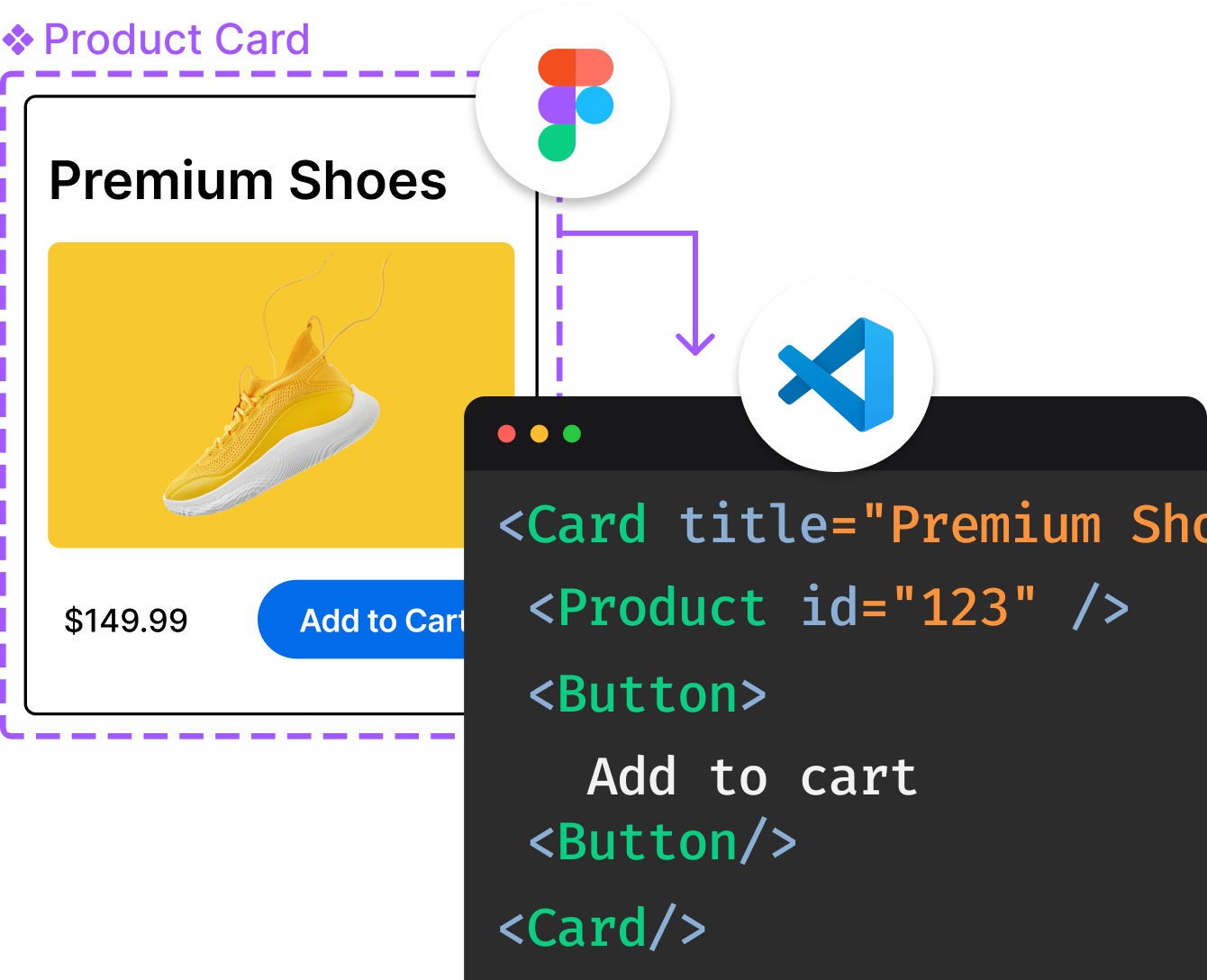
Introducing Visual Copilot: A new AI model to turn Figma designs to high quality code using your components.
Try Visual CopilotREADME
libnvidia-container






This repository provides a library and a simple CLI utility to automatically configure GNU/Linux containers leveraging NVIDIA hardware.
The implementation relies on kernel primitives and is designed to be agnostic of the container runtime.
Installing the library
From packages
Configure the package repository for your Linux distribution.
Install the packages:
libnvidia-container1
libnvidia-container-tools
From sources
With Docker:
# Generate docker images for a supported <os><version>
make {ubuntu18.04, ubuntu16.04, debian10, debian9, centos7, amazonlinux2, opensuse-leap15.1}

# Or generate docker images for all supported distributions in the dist/ directory
make docker
The resulting images have the name nvidia/libnvidia-container/<os>:<version>
Without Docker:
make install

# Alternatively in order to customize the installation paths
DESTDIR=/path/to/root make install prefix=/usr
Using the library
Container runtime example
Refer to the nvidia-container-runtime project.
Command line example
# Setup a new set of namespaces
cd $(mktemp -d) && mkdir rootfs
sudo unshare --mount --pid --fork

# Setup a rootfs based on Ubuntu 16.04 inside the new namespaces
curl http://cdimage.ubuntu.com/ubuntu-base/releases/16.04/release/ubuntu-base-16.04.6-base-amd64.tar.gz | tar -C rootfs -xz
useradd -R $(realpath rootfs) -U -u 1000 -s /bin/bash nvidia
mount --bind rootfs rootfs
mount --make-private rootfs
cd rootfs

# Mount standard filesystems
mount -t proc none proc
mount -t sysfs none sys
mount -t tmpfs none tmp
mount -t tmpfs none run

# Isolate the first GPU device along with basic utilities
nvidia-container-cli --load-kmods configure --ldconfig=@/sbin/ldconfig.real --no-cgroups --utility --device 0 $(pwd)

# Change into the new rootfs
pivot_root . mnt
umount -l mnt
exec chroot --userspec 1000:1000 . env -i bash

# Run nvidia-smi from within the container
nvidia-smi -L
Copyright and License
This project is released under the BSD 3-clause license.
Additionally, this project can be dynamically linked with libelf from the elfutils package (https://sourceware.org/elfutils), in which case additional terms apply.
Refer to NOTICE for more information.
Issues and Contributing
Checkout the Contributing document!
- Please let us know by filing a new issue
- You can contribute by opening a pull request
Top Related Projects
Build and run Docker containers leveraging NVIDIA GPUs
CLI tool for spawning and running containers according to the OCI specification
An open and reliable container runtime
The Moby Project - a collaborative project for the container ecosystem to assemble container-based systems
Production-Grade Container Scheduling and Management
:warning: This repository is deprecated and will be archived (Docker CE itself is NOT deprecated) see the https://github.com/docker/docker-ce/blob/master/README.md :warning:
Convert designs to code with AI
Introducing Visual Copilot: A new AI model to turn Figma designs to high quality code using your components.
Try Visual Copilot