
Top Related Projects

Set up a modern web app by running one command.

🛠️ webpack-based tooling for Vue.js Development

web development for the rest of us

The React Framework

Next generation frontend tooling. It's fast!

the full-stack Vue framework
Quick Overview
Angular CLI is the official command-line interface tool for Angular development. It facilitates the creation, development, testing, and deployment of Angular applications, providing a standardized workflow and best practices for Angular developers.
Pros
- Streamlines Angular project setup and configuration
- Provides built-in development server with live reloading
- Offers code generation for components, services, and other Angular artifacts
- Integrates testing and build optimization tools
Cons
- Learning curve for developers new to Angular or CLI tools
- Can be opinionated in its project structure and build process
- May require additional configuration for complex, non-standard projects
- Updates can sometimes introduce breaking changes
Code Examples
- Creating a new Angular project:
ng new my-angular-app
- Generating a new component:
ng generate component my-component
- Building the application for production:
ng build --prod
- Running unit tests:
ng test
Getting Started
To get started with Angular CLI, follow these steps:
- Install Node.js and npm (Node Package Manager)
- Install Angular CLI globally:
npm install -g @angular/cli
- Create a new Angular project:
ng new my-project
cd my-project
- Serve the application locally:
ng serve
- Open a web browser and navigate to
http://localhost:4200to see your app running.
Competitor Comparisons
Set up a modern web app by running one command.
Error generating comparison
🛠️ webpack-based tooling for Vue.js Development
Pros of Vue CLI
- Simpler and more lightweight setup process
- More flexible and customizable project structure
- Easier learning curve for beginners
Cons of Vue CLI
- Smaller ecosystem and community compared to Angular CLI
- Fewer built-in features and tools out of the box
- Less opinionated, which may lead to inconsistencies in large projects
Code Comparison
Vue CLI project structure:
├── public
│   ├── index.html
│   └── favicon.ico
├── src
│   ├── assets
│   ├── components
│   ├── views
│   ├── App.vue
│   └── main.js
├── package.json
└── vue.config.js
Angular CLI project structure:
├── e2e
├── src
│   ├── app
│   ├── assets
│   ├── environments
│   ├── index.html
│   ├── main.ts
│   └── styles.css
├── angular.json
└── package.json
Vue CLI offers a more streamlined project structure, while Angular CLI provides a more comprehensive and opinionated setup. Vue CLI's configuration is centralized in vue.config.js, whereas Angular CLI uses angular.json for project configuration.
Both CLIs offer powerful development tools, but Vue CLI tends to be more flexible and easier to customize, while Angular CLI provides a more robust and structured approach out of the box.
web development for the rest of us
Pros of Svelte
- Smaller bundle sizes and faster runtime performance
- Simpler learning curve with less boilerplate code
- Compile-time framework with no virtual DOM overhead
Cons of Svelte
- Smaller ecosystem and community compared to Angular
- Fewer enterprise-level features and tooling
- Less suitable for large-scale applications out of the box
Code Comparison
Svelte component:
<script>
  let count = 0;
  const increment = () => count += 1;
</script>

<button on:click={increment}>
  Clicks: {count}
</button>
Angular component:
@Component({
  selector: 'app-counter',
  template: `
    <button (click)="increment()">
      Clicks: {{count}}
    </button>
  `
})
export class CounterComponent {
  count = 0;
  increment() {
    this.count += 1;
  }
}
Svelte's syntax is more concise and closer to vanilla JavaScript, while Angular requires more setup and uses TypeScript by default. Svelte's reactivity is built-in, whereas Angular relies on change detection mechanisms. Both frameworks offer powerful features, but Svelte aims for simplicity and performance, while Angular provides a more comprehensive toolkit for large applications.
The React Framework
Pros of Next.js
- Simpler learning curve and faster development for React developers
- Built-in server-side rendering and static site generation
- Automatic code splitting for faster page loads
Cons of Next.js
- Less opinionated structure compared to Angular's rigid architecture
- Smaller ecosystem and fewer built-in features than Angular CLI
- Limited to React, while Angular CLI supports TypeScript natively
Code Comparison
Next.js routing:
// pages/about.js
export default function About() {
  return <h1>About Page</h1>
}
Angular CLI routing:
// app-routing.module.ts
const routes: Routes = [
  { path: 'about', component: AboutComponent }
];
Key Differences
- Next.js focuses on React development, while Angular CLI is for Angular projects
- Next.js offers a more flexible approach to building applications
- Angular CLI provides a more comprehensive toolset out of the box
- Next.js excels in server-side rendering and static site generation
- Angular CLI offers stronger typing and a more structured development experience
Both frameworks have their strengths and are suitable for different project requirements and team preferences. Next.js is often favored for its simplicity and performance optimizations, while Angular CLI is chosen for large-scale enterprise applications that benefit from its robust architecture and tooling.
Next generation frontend tooling. It's fast!
Pros of Vite
- Faster build times and development server startup
- Lightweight and flexible, supporting multiple frameworks
- No-bundle development for quicker hot module replacement (HMR)
Cons of Vite
- Less mature ecosystem compared to Angular CLI
- Fewer built-in features and generators
- May require additional configuration for complex projects
Code Comparison
Angular CLI (angular.json):
{
  "projects": {
    "my-app": {
      "architect": {
        "build": {
          "builder": "@angular-devkit/build-angular:browser",
          "options": { ... }
        }
      }
    }
  }
}
Vite (vite.config.js):
import { defineConfig } from 'vite'
import vue from '@vitejs/plugin-vue'

export default defineConfig({
  plugins: [vue()]
})
Summary
Vite offers faster development experience and flexibility, while Angular CLI provides a more comprehensive toolset for Angular projects. Vite's configuration is simpler, but Angular CLI offers more built-in features. The choice between them depends on project requirements and developer preferences.
the full-stack Vue framework
Pros of Nuxt
- Simpler learning curve and faster development for Vue.js applications
- Built-in server-side rendering (SSR) and static site generation (SSG)
- Automatic code splitting and optimized performance out of the box
Cons of Nuxt
- Less mature ecosystem compared to Angular's robust tooling
- Fewer enterprise-level features and scalability options
- Limited TypeScript support compared to Angular's deep integration
Code Comparison
Angular CLI (component generation):
ng generate component my-component
Nuxt (page creation):
mkdir pages
touch pages/index.vue
Angular component:
@Component({
  selector: 'app-root',
  template: '<h1>Hello, Angular!</h1>'
})
export class AppComponent { }
Nuxt page:
<template>
  <h1>Hello, Nuxt!</h1>
</template>

<script>
export default {
  // Component logic here
}
</script>
Both Angular CLI and Nuxt provide powerful tools for building modern web applications, but they cater to different ecosystems and development philosophies. Angular CLI offers a more structured, enterprise-ready approach with TypeScript at its core, while Nuxt focuses on simplicity and rapid development for Vue.js applications with built-in SSR capabilities.
Convert  designs to code with AI
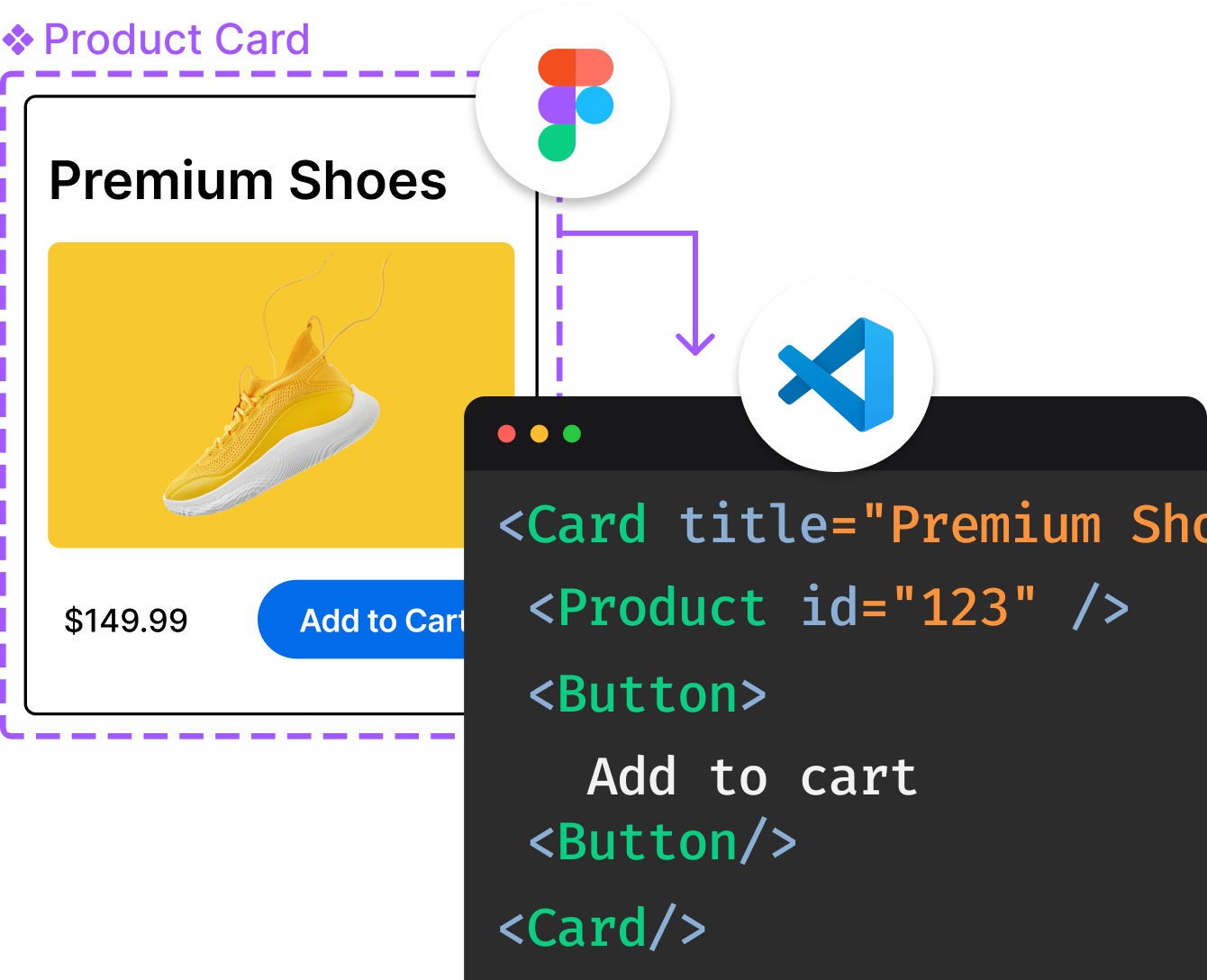
Introducing Visual Copilot: A new AI model to turn Figma designs to high quality code using your components.
Try Visual CopilotREADME
Angular CLI - The CLI tool for Angular.

The Angular CLI is a command-line interface tool that you use to initialize, develop, scaffold,
and maintain Angular applications directly from a command shell.
Contributing Guidelines
·
Submit an Issue
·
Blog
Documentation
Get started with Angular CLI, learn the fundamentals and explore advanced topics on our documentation website.
Development Setup
Prerequisites
- Install Node.js which includes Node Package Manager
Setting Up a Project
Install the Angular CLI globally:
npm install -g @angular/cli
Create workspace:
ng new [PROJECT NAME]
Run the application:
cd [PROJECT NAME]
ng serve
Angular is cross-platform, fast, scalable, has incredible tooling, and is loved by millions.
Quickstart
Ecosystem

Changelog
Learn about the latest improvements.
Upgrading
Check out our upgrade guide to find out the best way to upgrade your project.
Contributing
Contributing Guidelines
Read through our contributing guidelines to learn about our submission process, coding rules and more.
Want to Help?
Want to report a bug, contribute some code, or improve documentation? Excellent! Read up on our guidelines for contributing and then check out one of our issues labeled as help wanted or good first issue.
Code of Conduct
Help us keep Angular open and inclusive. Please read and follow our Code of Conduct.
Developer Guide
Read through our developer guide to learn about how to build and test the Angular CLI locally.
Community
Join the conversation and help the community.
- X (formerly Twitter)
- Discord
- Gitter
- YouTube
- StackOverflow
- Find a Local Meetup
Packages
This is a monorepo which contains many tools and packages:
Tools
| Project | Package | Version | Links |
|---|---|---|---|
| Angular Build System | @angular/build |  |   |
| Angular CLI | @angular/cli |  | |
| Schematics CLI | @angular-devkit/schematics-cli |  | |
Packages
| Project | Package | Version | Links |
|---|---|---|---|
| Angular SSR | @angular/ssr |  | |
| Architect | @angular-devkit/architect |  | |
| Build Angular | @angular-devkit/build-angular |  | |
| Build Webpack | @angular-devkit/build-webpack |  | |
| Core | @angular-devkit/core |  | |
| Schematics | @angular-devkit/schematics |  | |
Misc
| Project | Package | Version | Links |
|---|---|---|---|
| Angular Create | @angular/create |  | |
| Webpack Angular Plugin | @ngtools/webpack |  | |
Schematics
| Project | Package | Version | Links |
|---|---|---|---|
| Angular PWA Schematics | @angular/pwa |  | |
| Angular Schematics | @schematics/angular |  | |
Love Angular CLI? Give our repo a star :star: :arrow_up:.
Top Related Projects
Set up a modern web app by running one command.
🛠️ webpack-based tooling for Vue.js Development
web development for the rest of us
The React Framework
Next generation frontend tooling. It's fast!
the full-stack Vue framework
Convert designs to code with AI
Introducing Visual Copilot: A new AI model to turn Figma designs to high quality code using your components.
Try Visual Copilot