
Top Related Projects

Ansible is a radically simple IT automation platform that makes your applications and systems easier to deploy and maintain. Automate everything from code deployment to network configuration to cloud management, in a language that approaches plain English, using SSH, with no agents to install on remote systems. https://docs.ansible.com.
ansible-lint checks playbooks for practices and behavior that could potentially be improved and can fix some of the most common ones for you
AWX provides a web-based user interface, REST API, and task engine built on top of Ansible. It is one of the upstream projects for Red Hat Ansible Automation Platform.
A tool and python library that helps when interfacing with Ansible directly or as part of another system whether that be through a container image interface, as a standalone tool, or as a Python module that can be imported. The goal is to provide a stable and consistent interface abstraction to Ansible.
Quick Overview
The ansible-collections/community.general repository is a collection of Ansible modules, plugins, and roles maintained by the community. It provides a wide range of functionality for various systems, services, and applications, extending Ansible's core capabilities with community-contributed content.
Pros
- Extensive collection of modules and plugins for diverse use cases
- Community-driven development ensures broad coverage of different technologies
- Regular updates and contributions from a large user base
- Integrates seamlessly with Ansible core
Cons
- Quality and maintenance of individual modules may vary
- Some modules might have dependencies on specific software versions
- Documentation for certain modules may be incomplete or outdated
- Potential for conflicts or overlaps with other Ansible collections
Code Examples
- Using the
community.general.ini_filemodule to modify an INI file:
- name: Update MySQL configuration
  community.general.ini_file:
    path: /etc/mysql/my.cnf
    section: mysqld
    option: max_connections
    value: 500
- Managing a Homebrew package with the
community.general.homebrewmodule:
- name: Install Node.js using Homebrew
  community.general.homebrew:
    name: node
    state: present
- Creating a LXD container using the
community.general.lxd_containermodule:
- name: Create a new LXD container
  community.general.lxd_container:
    name: my-container
    state: started
    source:
      type: image
      mode: pull
      server: https://images.linuxcontainers.org
      protocol: simplestreams
      alias: ubuntu/20.04
Getting Started
To use the community.general collection in your Ansible playbooks:
-
Install the collection:
ansible-galaxy collection install community.general -
Use modules from the collection in your playbooks:
- hosts: all
  tasks:
    - name: Use a community.general module
      community.general.module_name:
        # module parameters here
Replace module_name with the specific module you want to use from the community.general collection.
Competitor Comparisons
Ansible is a radically simple IT automation platform that makes your applications and systems easier to deploy and maintain. Automate everything from code deployment to network configuration to cloud management, in a language that approaches plain English, using SSH, with no agents to install on remote systems. https://docs.ansible.com.
Pros of ansible
- Core Ansible functionality and essential modules
- More active development and frequent updates
- Tighter integration with Ansible ecosystem
Cons of ansible
- Larger codebase, potentially more complex to navigate
- May include modules not needed for all use cases
- Slower release cycle for individual modules
Code comparison
ansible:
- name: Install package
  apt:
    name: nginx
    state: present
community.general:
- name: Install package using zypper
  community.general.zypper:
    name: nginx
    state: present
Key differences
- ansible focuses on core functionality and essential modules
- community.general provides a wide range of additional modules and plugins
- community.general allows for more granular updates and maintenance of specific modules
- ansible has a more rigorous review process for contributions
- community.general offers more flexibility for community-driven development
Use cases
ansible:
- Standard Ansible deployments
- Core infrastructure management
- Projects requiring frequent Ansible updates
community.general:
- Specialized module requirements
- Projects using less common platforms or tools
- Environments needing specific module updates without full Ansible upgrades
Both repositories play crucial roles in the Ansible ecosystem, with ansible providing the core functionality and community.general offering extended capabilities for diverse use cases.
ansible-lint checks playbooks for practices and behavior that could potentially be improved and can fix some of the most common ones for you
Pros of ansible-lint
- Focused on linting and code quality for Ansible playbooks and roles
- Provides detailed error messages and suggestions for improvement
- Integrates well with CI/CD pipelines for automated checks
Cons of ansible-lint
- Limited scope compared to community.general's broad functionality
- Requires additional setup and configuration for optimal use
- May produce false positives in certain complex scenarios
Code comparison
ansible-lint example:
- name: Install package
  apt:
    name: nginx
    state: present
  become: true
community.general example:
- name: Install package using snap
  community.general.snap:
    name: nginx
    state: present
Key differences
-
Purpose: ansible-lint focuses on code quality and best practices, while community.general provides a wide range of modules and plugins for various tasks.
-
Scope: ansible-lint is specifically for linting and checking Ansible code, whereas community.general offers additional functionality beyond core Ansible.
-
Usage: ansible-lint is typically used as a standalone tool or in CI/CD pipelines, while community.general is used within Ansible playbooks and roles.
-
Maintenance: ansible-lint is maintained by the Ansible team, while community.general is a community-driven collection with contributions from various developers.
-
Integration: ansible-lint can be integrated with text editors and IDEs for real-time feedback, while community.general is used directly within Ansible projects.
AWX provides a web-based user interface, REST API, and task engine built on top of Ansible. It is one of the upstream projects for Red Hat Ansible Automation Platform.
Pros of AWX
- Provides a web-based user interface for managing Ansible playbooks and inventories
- Offers role-based access control and job scheduling capabilities
- Includes built-in support for credential management and integration with various cloud providers
Cons of AWX
- More complex setup and maintenance compared to community.general
- Requires additional system resources to run the web interface and database
- May have a steeper learning curve for users new to Ansible
Code Comparison
AWX (Python):
from django.db import models
from django.utils.translation import ugettext_lazy as _

class Organization(models.Model):
    name = models.CharField(max_length=512)
    description = models.TextField(blank=True)
community.general (YAML):
- name: Create a directory
  ansible.builtin.file:
    path: /path/to/directory
    state: directory
    mode: '0755'
The code snippets highlight the different focus of each project. AWX includes Django models for its web interface, while community.general contains Ansible modules and plugins for various tasks.
A tool and python library that helps when interfacing with Ansible directly or as part of another system whether that be through a container image interface, as a standalone tool, or as a Python module that can be imported. The goal is to provide a stable and consistent interface abstraction to Ansible.
Pros of ansible-runner
- Focused tool for executing Ansible playbooks and roles
- Provides a consistent runtime environment for Ansible
- Offers containerization support for improved isolation
Cons of ansible-runner
- More limited scope compared to community.general
- Requires additional setup and configuration
- May have a steeper learning curve for beginners
Code Comparison
ansible-runner:
import ansible_runner

r = ansible_runner.run(playbook='playbook.yml', inventory='inventory.ini')
print(r.status)
print(r.stdout.read())
community.general:
- name: Use a community.general module
  community.general.ini_file:
    path: /path/to/file.ini
    section: section_name
    option: option_name
    value: option_value
Key Differences
-
Purpose:
- ansible-runner: Execution environment for Ansible
- community.general: Collection of modules and plugins
-
Scope:
- ansible-runner: Narrower focus on running Ansible
- community.general: Broader range of functionality
-
Integration:
- ansible-runner: Can be used as a Python library or CLI tool
- community.general: Used within Ansible playbooks and roles
-
Maintenance:
- ansible-runner: Maintained by Ansible team
- community.general: Community-driven development
-
Use cases:
- ansible-runner: CI/CD pipelines, containerized Ansible execution
- community.general: Extended functionality in Ansible playbooks
Convert  designs to code with AI
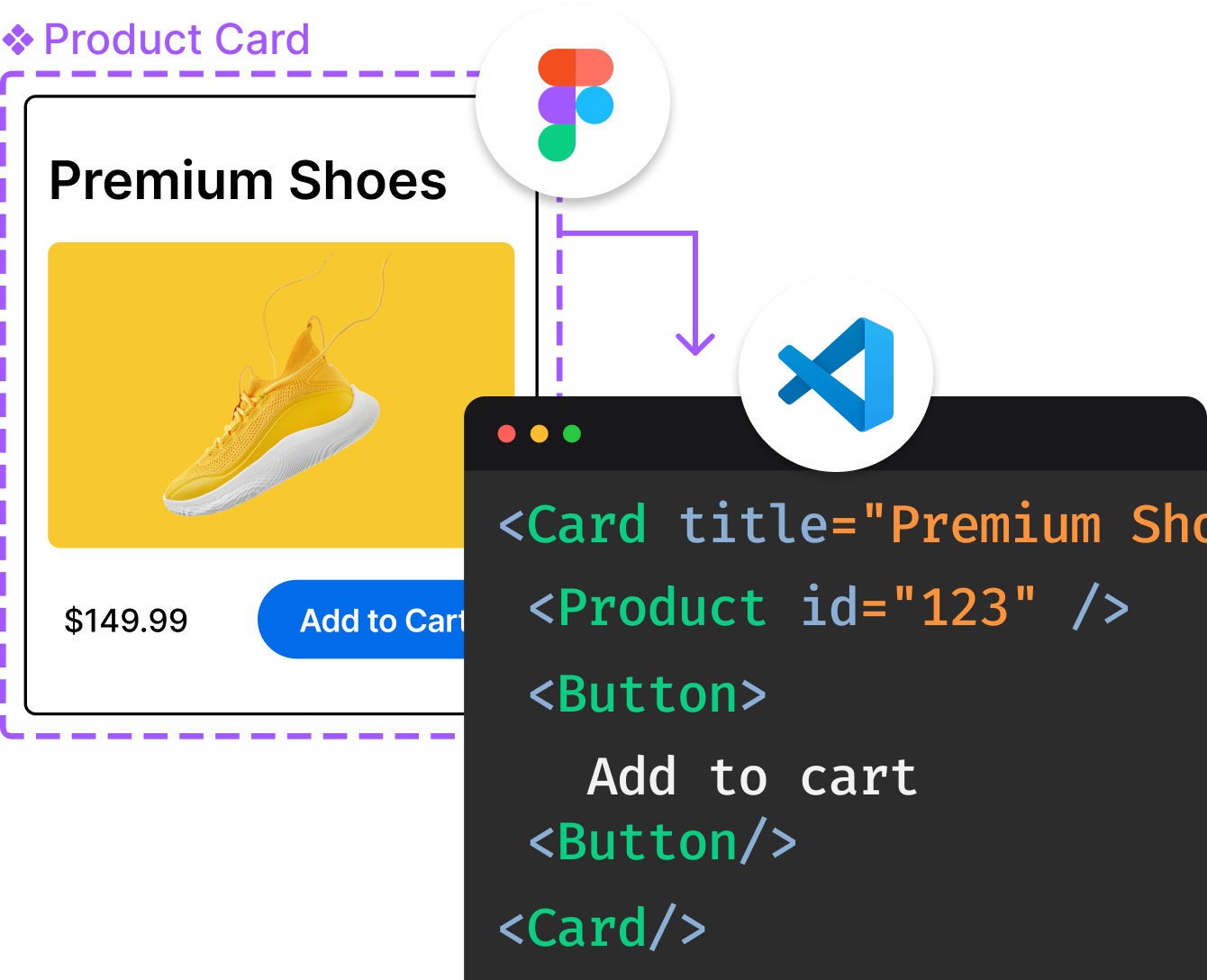
Introducing Visual Copilot: A new AI model to turn Figma designs to high quality code using your components.
Try Visual CopilotREADME
Community General Collection


This repository contains the community.general Ansible Collection. The collection is a part of the Ansible package and includes many modules and plugins supported by Ansible community which are not part of more specialized community collections.
You can find documentation for this collection on the Ansible docs site.
Please note that this collection does not support Windows targets. Only connection plugins included in this collection might support Windows targets, and will explicitly mention that in their documentation if they do so.
Code of Conduct
We follow Ansible Code of Conduct in all our interactions within this project.
If you encounter abusive behavior violating the Ansible Code of Conduct, please refer to the policy violations section of the Code of Conduct for information on how to raise a complaint.
Communication
-
Join the Ansible forum:
- Get Help: get help or help others. This is for questions about modules or plugins in the collection. Please add appropriate tags if you start new discussions.
- Tag
community-general: discuss the collection itself, instead of specific modules or plugins. - Social Spaces: gather and interact with fellow enthusiasts.
- News & Announcements: track project-wide announcements including social events.
-
The Ansible Bullhorn newsletter: used to announce releases and important changes.
For more information about communication, see the Ansible communication guide.
Tested with Ansible
Tested with the current ansible-core 2.18, ansible-core 2.19, ansible-core 2.20, ansible-core 2.21 releases and the current development version of ansible-core. Ansible-core versions before 2.18.0 are not supported. This includes all ansible-base 2.10 and Ansible 2.9 releases.
External requirements
Some modules and plugins require external libraries. Please check the requirements for each plugin or module you use in the documentation to find out which requirements are needed.
Included content
Please check the included content on the Ansible Galaxy page for this collection or the documentation on the Ansible docs site.
Using this collection
This collection is shipped with the Ansible package. So if you have it installed, no more action is required.
If you have a minimal installation (only Ansible Core installed) or you want to use the latest version of the collection along with the whole Ansible package, you need to install the collection from Ansible Galaxy manually with the ansible-galaxy command-line tool:
ansible-galaxy collection install community.general
You can also include it in a requirements.yml file and install it via ansible-galaxy collection install -r requirements.yml using the format:
collections:
- name: community.general
Note that if you install the collection manually, it will not be upgraded automatically when you upgrade the Ansible package. To upgrade the collection to the latest available version, run the following command:
ansible-galaxy collection install community.general --upgrade
You can also install a specific version of the collection, for example, if you need to downgrade when something is broken in the latest version (please report an issue in this repository). Use the following syntax where X.Y.Z can be any available version:
ansible-galaxy collection install community.general:==X.Y.Z
See Ansible Using collections for more details.
Contributing to this collection
The content of this collection is made by good people just like you, a community of individuals collaborating on making the world better through developing automation software.
We are actively accepting new contributors.
All types of contributions are very welcome.
You don't know how to start? Refer to our contribution guide!
The current maintainers are listed in the commit-rights.md file. If you have questions or need help, feel free to mention them in the proposals.
You can find more information in the developer guide for collections, and in the Ansible Community Guide.
Also for some notes specific to this collection see our CONTRIBUTING documentation.
Running tests
See here.
Collection maintenance
To learn how to maintain / become a maintainer of this collection, refer to:
It is necessary for maintainers of this collection to be subscribed to:
- The collection itself (the
Watchbutton âAll Activityin the upper right corner of the repository's homepage). - The "Changes Impacting Collection Contributors and Maintainers" issue.
They also should be subscribed to Ansible's The Bullhorn newsletter.
Publishing New Version
See Releasing collections with release branches to learn how to release this collection.
Release notes
See the changelog.
Roadmap
In general, we plan to release a major version every six months, and minor versions every two months. Major versions can contain breaking changes, while minor versions only contain new features and bugfixes.
See this issue for information on releasing, versioning, and deprecation.
More information
- Ansible Collection overview
- Ansible User guide
- Ansible Developer guide
- Ansible Community code of conduct
Licensing
This collection is primarily licensed and distributed as a whole under the GNU General Public License v3.0 or later.
See LICENSES/GPL-3.0-or-later.txt for the full text.
Parts of the collection are licensed under the BSD 2-Clause license and the MIT license.
All files have a machine readable SDPX-License-Identifier: comment denoting its respective license(s) or an equivalent entry in an accompanying .license file. Only changelog fragments (which will not be part of a release) are covered by a blanket statement in REUSE.toml. This conforms to the REUSE specification.
Top Related Projects
Ansible is a radically simple IT automation platform that makes your applications and systems easier to deploy and maintain. Automate everything from code deployment to network configuration to cloud management, in a language that approaches plain English, using SSH, with no agents to install on remote systems. https://docs.ansible.com.
ansible-lint checks playbooks for practices and behavior that could potentially be improved and can fix some of the most common ones for you
AWX provides a web-based user interface, REST API, and task engine built on top of Ansible. It is one of the upstream projects for Red Hat Ansible Automation Platform.
A tool and python library that helps when interfacing with Ansible directly or as part of another system whether that be through a container image interface, as a standalone tool, or as a Python module that can be imported. The goal is to provide a stable and consistent interface abstraction to Ansible.
Convert designs to code with AI
Introducing Visual Copilot: A new AI model to turn Figma designs to high quality code using your components.
Try Visual Copilot