
Top Related Projects


Quick Overview
Asio is a cross-platform C++ library for network and low-level I/O programming. It provides a consistent asynchronous model using a modern C++ approach, enabling developers to write efficient, scalable network applications and other I/O-related programs.
Pros
- Cross-platform compatibility (Windows, Linux, macOS, and more)
- Supports both synchronous and asynchronous operations
- Header-only library option for easy integration
- Extensive documentation and examples
Cons
- Steep learning curve for beginners
- Can be complex for simple networking tasks
- Requires C++11 or later
- Some users report difficulties with error handling
Code Examples
- Basic TCP client:
#include <asio.hpp>
#include <iostream>

int main() {
    try {
        asio::io_context io_context;
        asio::ip::tcp::resolver resolver(io_context);
        asio::ip::tcp::socket socket(io_context);

        auto endpoints = resolver.resolve("example.com", "80");
        asio::connect(socket, endpoints);

        std::cout << "Connected to example.com" << std::endl;
    } catch (std::exception& e) {
        std::cerr << "Exception: " << e.what() << std::endl;
    }
    return 0;
}
- Asynchronous timer:
#include <asio.hpp>
#include <iostream>

void print(const asio::error_code&) {
    std::cout << "Timer expired!" << std::endl;
}

int main() {
    asio::io_context io;
    asio::steady_timer timer(io, asio::chrono::seconds(5));

    timer.async_wait(&print);

    io.run();
    return 0;
}
- UDP server:
#include <asio.hpp>
#include <iostream>

int main() {
    try {
        asio::io_context io_context;
        asio::ip::udp::socket socket(io_context, asio::ip::udp::endpoint(asio::ip::udp::v4(), 13));

        for (;;) {
            char data[1024];
            asio::ip::udp::endpoint sender_endpoint;
            size_t length = socket.receive_from(asio::buffer(data), sender_endpoint);
            socket.send_to(asio::buffer(data, length), sender_endpoint);
        }
    } catch (std::exception& e) {
        std::cerr << "Exception: " << e.what() << std::endl;
    }
    return 0;
}
Getting Started
- Download Asio from the official website or use a package manager.
- Include the Asio headers in your project.
- If using the non-header-only version, link against the Asio library.
- Add the following include to your C++ file:
#include <asio.hpp>
- Compile with C++11 or later:
g++ -std=c++11 your_file.cpp -I/path/to/asio/include -pthread
Note: On Windows, you may need to link against ws2_32 and mswsock libraries.
Competitor Comparisons
Boost.org asio module
Pros of Boost.Asio
- Integrated with the Boost ecosystem, providing seamless compatibility with other Boost libraries
- More comprehensive documentation and examples available through the Boost project
- Regular updates and maintenance as part of the Boost release cycle
Cons of Boost.Asio
- Larger dependency footprint due to being part of the Boost libraries
- Potentially slower adoption of new features compared to the standalone Asio
Code Comparison
Boost.Asio:
#include <boost/asio.hpp>
using boost::asio::ip::tcp;
boost::asio::io_context io_context;
tcp::socket socket(io_context);
Standalone Asio:
#include <asio.hpp>
using asio::ip::tcp;
asio::io_context io_context;
tcp::socket socket(io_context);
The code usage is nearly identical, with the main difference being the inclusion of the boost namespace for Boost.Asio. Both libraries provide similar functionality and API, making it easy to switch between them if needed. The choice between the two often depends on whether you're already using other Boost libraries in your project or prefer a standalone solution.
Cross-platform asynchronous I/O
Pros of libuv
- Cross-platform support for asynchronous I/O operations
- Designed for high-performance networking and file system operations
- Integrated event loop with support for various types of events
Cons of libuv
- C-based API, which may be less intuitive for C++ developers
- Lacks some higher-level abstractions provided by Asio
- Steeper learning curve for developers new to asynchronous programming
Code Comparison
Asio (TCP echo server):
boost::asio::io_context io_context;
tcp::acceptor acceptor(io_context, tcp::endpoint(tcp::v4(), 13));
tcp::socket socket(io_context);
acceptor.accept(socket);
boost::asio::write(socket, boost::asio::buffer(message));
libuv (TCP echo server):
uv_tcp_t server;
uv_tcp_init(loop, &server);
uv_ip4_addr("0.0.0.0", DEFAULT_PORT, &addr);
uv_tcp_bind(&server, (const struct sockaddr*)&addr, 0);
uv_listen((uv_stream_t*)&server, DEFAULT_BACKLOG, on_new_connection);
Summary
Both Asio and libuv are powerful libraries for asynchronous I/O operations. Asio provides a more C++-friendly API with higher-level abstractions, while libuv offers a C-based API with excellent cross-platform support and performance. The choice between them often depends on the specific project requirements and the developer's familiarity with C++ or C.
Event notification library
Pros of libevent
- Mature and widely used in production environments
- Supports a broader range of platforms, including older systems
- Offers additional features like DNS resolution and HTTP parsing
Cons of libevent
- C-based API, which can be less intuitive for C++ developers
- Requires more manual memory management
- Less integrated with modern C++ features and idioms
Code Comparison
Asio (C++):
asio::io_context io_context;
asio::steady_timer timer(io_context, asio::chrono::seconds(5));
timer.async_wait([](const asio::error_code& error) {
    std::cout << "Timer expired!" << std::endl;
});
io_context.run();
libevent (C):
struct event *ev;
struct timeval tv = {5, 0};
ev = event_new(base, -1, EV_TIMEOUT, callback_fn, NULL);
event_add(ev, &tv);
event_base_dispatch(base);
Summary
Asio and libevent are both popular event-driven networking libraries. Asio is more modern and C++-centric, offering better integration with C++11 and later features. libevent, while older and C-based, provides a wider range of features and platform support. The choice between them often depends on the specific project requirements, target platforms, and developer preferences.
An open-source C++ library developed and used at Facebook.
Pros of Folly
- Broader scope with a comprehensive collection of C++ libraries
- Optimized for high-performance, large-scale systems
- Active development with frequent updates and contributions from Facebook
Cons of Folly
- Steeper learning curve due to its extensive feature set
- Heavier dependency footprint compared to Asio's lightweight design
- May include unnecessary components for smaller projects
Code Comparison
Asio (async I/O):
asio::io_context io;
asio::steady_timer timer(io, asio::chrono::seconds(5));
timer.async_wait([](const asio::error_code& error) {
    std::cout << "Timer expired!" << std::endl;
});
io.run();
Folly (async I/O using EventBase):
folly::EventBase evb;
evb.runAfterDelay([&]() {
    std::cout << "Timer expired!" << std::endl;
    evb.terminateLoopSoon();
}, 5000);
evb.loop();
Both libraries provide asynchronous I/O capabilities, but Folly offers a more extensive set of utilities beyond networking. Asio focuses primarily on networking and asynchronous operations, making it more lightweight and specialized. Folly, being a larger library, includes additional features like memory management, string utilities, and concurrency tools, making it suitable for more complex, large-scale applications.
ZeroMQ core engine in C++, implements ZMTP/3.1
Pros of libzmq
- Built-in support for various messaging patterns (pub-sub, request-reply, etc.)
- Designed for high-performance, distributed systems
- Cross-platform compatibility with bindings for multiple languages
Cons of libzmq
- Steeper learning curve due to its more complex architecture
- Heavier-weight solution, which may be overkill for simpler applications
- Less flexibility for low-level network programming compared to Asio
Code Comparison
libzmq:
zmq::context_t context(1);
zmq::socket_t socket(context, ZMQ_REP);
socket.bind("tcp://*:5555");
zmq::message_t request;
socket.recv(&request);
Asio:
asio::io_context io_context;
tcp::acceptor acceptor(io_context, tcp::endpoint(tcp::v4(), 5555));
tcp::socket socket(io_context);
acceptor.accept(socket);
asio::streambuf request;
asio::read_until(socket, request, "\n");
Both libraries provide networking capabilities, but Asio offers a more general-purpose, low-level approach, while libzmq focuses on high-performance messaging patterns for distributed systems. Asio is lighter-weight and more flexible, making it suitable for a wider range of applications, while libzmq excels in specific messaging scenarios and distributed computing environments.
Fast C++ logging library.
Pros of spdlog
- Focused on logging functionality, making it more lightweight and specialized
- Offers a wider range of logging features, including asynchronous logging and custom formatters
- Generally easier to set up and use for logging purposes
Cons of spdlog
- Limited to logging functionality, while Asio provides a broader range of networking and I/O operations
- May require additional libraries for certain advanced features, whereas Asio is more self-contained
- Less suitable for complex, event-driven applications that require extensive I/O handling
Code Comparison
spdlog example:
#include "spdlog/spdlog.h"

int main() {
    spdlog::info("Welcome to spdlog!");
    spdlog::error("Some error message with arg: {}", 1);
}
Asio example:
#include <asio.hpp>
#include <iostream>

int main() {
    asio::io_context io;
    asio::steady_timer timer(io, asio::chrono::seconds(5));
    timer.wait();
    std::cout << "5 seconds have passed!" << std::endl;
}
Convert  designs to code with AI
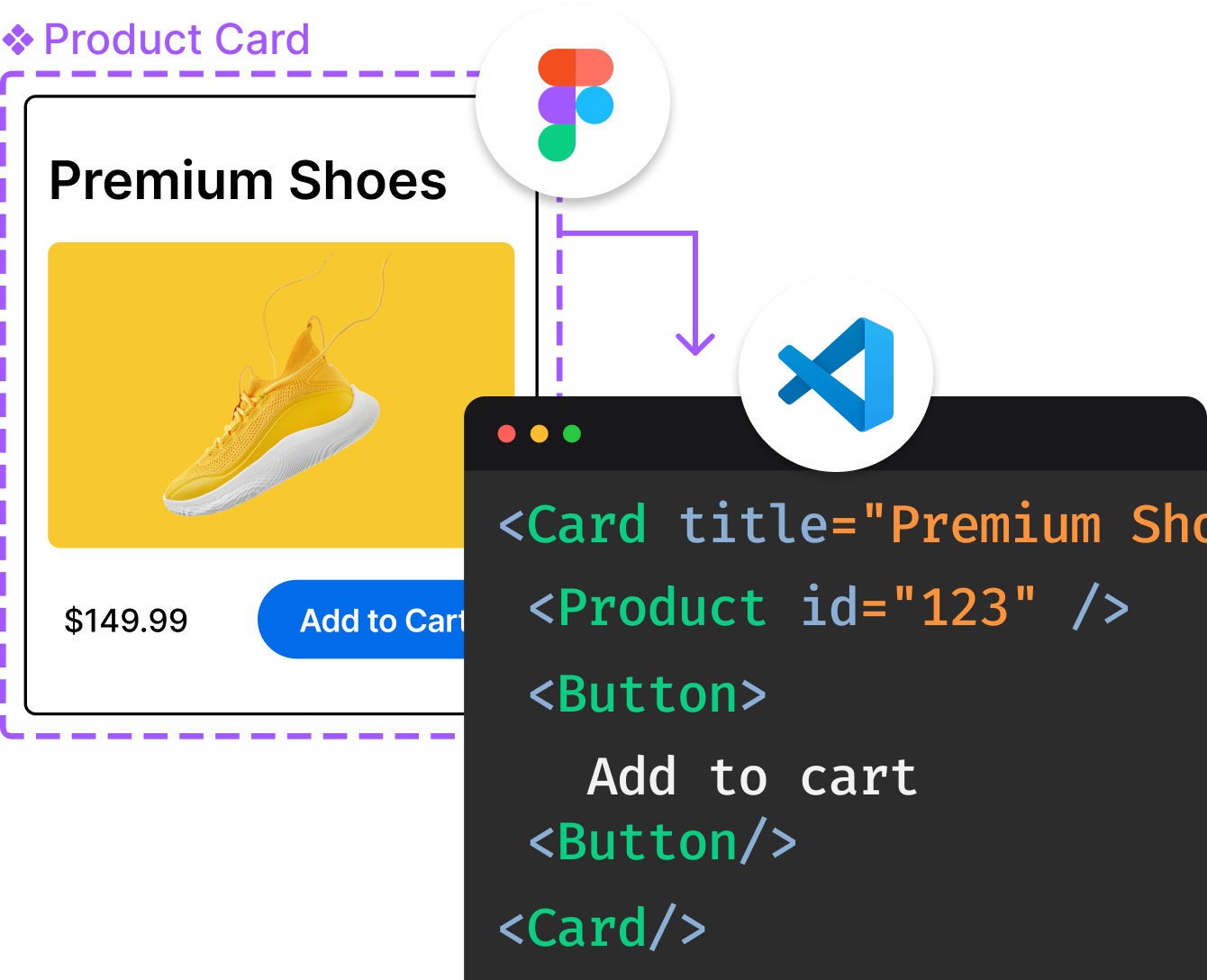
Introducing Visual Copilot: A new AI model to turn Figma designs to high quality code using your components.
Try Visual CopilotREADME
asio version 1.38.2 Released Sunday, 19 July 2026.
Visit https://think-async.com/ or see packaged doc/index.html for API documentation and a tutorial.
Top Related Projects
Convert designs to code with AI
Introducing Visual Copilot: A new AI model to turn Figma designs to high quality code using your components.
Try Visual Copilot