 crmeb_java
Java商城 免费 开源 CRMEB商城JAVA版,SpringBoot + Maven + Swagger + Mybatis Plus + Redis + Uniapp +Vue+elementUI 包含移动端、小程序、PC后台、Api接口;有产品、用户、购物车、订单、积分、优惠券、营销、余额、权限、角色、系统设置、组合数据、可拖拉拽的form表单等模块,大量的减少了二开的成本。
Top Related Projects

mall项目是一套电商系统,包括前台商城系统及后台管理系统,基于Spring Boot+MyBatis实现,采用Docker容器化部署。 前台商城系统包含首页门户、商品推荐、商品搜索、商品展示、购物车、订单流程、会员中心、客户服务、帮助中心等模块。 后台管理系统包含商品管理、订单管理、会员管理、促销管理、运营管理、内容管理、统计报表、财务管理、权限管理、设置等模块。

基于Spring+SpringMVC+Mybatis分布式敏捷开发系统架构,提供整套公共微服务服务模块:集中权限管理(单点登录)、内容管理、支付中心、用户管理(支持第三方登录)、微信平台、存储系统、配置中心、日志分析、任务和通知等,支持服务治理、监控和追踪,努力为中小型企业打造全方位J2EE企业级开发解决方案。

AI低代码平台,支持「低代码 + 零代码」双模式:零代码 5 分钟搭建业务系统,低代码模式一键生成前后端代码。 内置AI 应用,支持AI聊天、知识库、流程编排、MCP与插件,支持各种模型。Skills能力实现:一句话画流程图、设计表单、生成系统。 引领 AI生成→在线配置→代码生成→手工合并的开发模式,解决Java项目80%的重复工作,快速提高效率,又不失灵活性。

eladmin jpa 版本:项目基于 Spring Boot 2.7.18、 Jpa、 Spring Security、Redis、Vue的前后端分离的后台管理系统,项目采用分模块开发方式, 权限控制采用 RBAC,支持数据字典与数据权限管理,支持一键生成前后端代码,支持动态路由

又一个小商城。litemall = Spring Boot后端 + Vue管理员前端 + 微信小程序用户前端 + Vue用户移动端
Quick Overview
CRMEB is a Java-based customer relationship management (CRM) system that provides a comprehensive set of tools for managing customer interactions, sales, and marketing. It is designed to help businesses streamline their customer-facing operations and improve customer engagement.
Pros
- Comprehensive CRM Functionality: CRMEB offers a wide range of CRM features, including customer management, lead management, sales management, marketing automation, and reporting.
- Customizable and Extensible: The system is highly customizable, allowing businesses to tailor it to their specific needs. It also supports various integrations and plugins to extend its functionality.
- Open-Source and Community-Driven: CRMEB is an open-source project, which means it benefits from a community of developers who contribute to its development and provide support.
- Mobile-Friendly: The system is designed to be mobile-friendly, allowing users to access and manage customer data on the go.
Cons
- Steep Learning Curve: CRMEB may have a relatively steep learning curve, especially for users who are not familiar with CRM systems or Java-based applications.
- Limited Documentation: The project's documentation could be more comprehensive, which may make it challenging for new users to get started.
- Performance Concerns: Depending on the size and complexity of the deployment, CRMEB may experience performance issues, especially with large amounts of data.
- Dependency on Java: As a Java-based application, CRMEB may not be the best choice for organizations that prefer to use other programming languages or technology stacks.
Code Examples
Since CRMEB is a comprehensive CRM system, it's not practical to provide specific code examples in this overview. However, the project's GitHub repository contains a wealth of information and sample code that developers can explore to understand the system's architecture and functionality.
Getting Started
To get started with CRMEB, you'll need to follow the instructions provided in the project's documentation. Here's a brief overview of the steps involved:
- Prerequisites: Ensure that you have Java, Maven, and a database management system (such as MySQL or PostgreSQL) installed on your system.
- Clone the Repository: Clone the CRMEB repository from GitHub using the following command:
git clone https://github.com/crmeb/crmeb_java.git - Configure the Database: Set up a new database for CRMEB and update the database connection details in the project's configuration files.
- Build the Project: Navigate to the project directory and use Maven to build the application:
cd crmeb_java mvn clean install - Run the Application: Start the CRMEB application using the following command:
java -jar target/crmeb.jar - Access the Web Interface: Once the application is running, you can access the CRMEB web interface by opening a web browser and navigating to
http://localhost:8080.
Please refer to the project's documentation for more detailed instructions and information on configuring and customizing CRMEB to fit your specific needs.
Competitor Comparisons
mall项目是一套电商系统,包括前台商城系统及后台管理系统,基于Spring Boot+MyBatis实现,采用Docker容器化部署。 前台商城系统包含首页门户、商品推荐、商品搜索、商品展示、购物车、订单流程、会员中心、客户服务、帮助中心等模块。 后台管理系统包含商品管理、订单管理、会员管理、促销管理、运营管理、内容管理、统计报表、财务管理、权限管理、设置等模块。
Pros of mall
- More comprehensive e-commerce solution with advanced features like product recommendation and order management
- Extensive documentation and detailed deployment guides
- Larger community with more stars, forks, and contributors
Cons of mall
- Steeper learning curve due to its complexity and extensive feature set
- May be overkill for smaller projects or businesses with simpler e-commerce needs
Code Comparison
mall:
@ApiOperation("添加商品")
@RequestMapping(value = "/create", method = RequestMethod.POST)
@ResponseBody
public CommonResult create(@RequestBody PmsProductParam productParam) {
    int count = productService.create(productParam);
    if (count > 0) {
        return CommonResult.success(count);
    } else {
        return CommonResult.failed();
    }
}
crmeb_java:
@ApiOperation(value = "新增商品")
@RequestMapping(value = "/save", method = RequestMethod.POST)
public CommonResult<String> save(@RequestBody @Validated StoreProductAddRequest request) {
    if (storeProductService.save(request)) {
        return CommonResult.success();
    } else {
        return CommonResult.failed();
    }
}
Both repositories offer Java-based e-commerce solutions, but mall provides a more feature-rich platform with broader community support. crmeb_java may be more suitable for simpler projects or those specifically targeting the Chinese market. The code snippets show similar approaches to adding products, with mall using a custom parameter object and crmeb_java using a validated request object.
基于Spring+SpringMVC+Mybatis分布式敏捷开发系统架构,提供整套公共微服务服务模块:集中权限管理(单点登录)、内容管理、支付中心、用户管理(支持第三方登录)、微信平台、存储系统、配置中心、日志分析、任务和通知等,支持服务治理、监控和追踪,努力为中小型企业打造全方位J2EE企业级开发解决方案。
Pros of zheng
- More comprehensive and modular architecture, suitable for large-scale enterprise applications
- Extensive documentation and detailed wiki for easier adoption and understanding
- Wider range of integrated technologies and frameworks, offering more flexibility
Cons of zheng
- Higher complexity and steeper learning curve compared to crmeb_java
- Less focused on specific business scenarios, requiring more customization for specialized use cases
- Potentially overkill for smaller projects or startups with limited resources
Code Comparison
zheng:
@Service
@Transactional
@BaseService
public class UserServiceImpl extends BaseServiceImpl<UserMapper, User, UserExample> implements UserService {
    // Implementation details
}
crmeb_java:
@Service
public class UserServiceImpl extends ServiceImpl<UserDao, User> implements UserService {
    // Implementation details
}
Both projects use Spring Boot and follow similar service implementation patterns. However, zheng's implementation includes additional annotations and extends a more complex base service, reflecting its more comprehensive architecture.
AI低代码平台,支持「低代码 + 零代码」双模式:零代码 5 分钟搭建业务系统,低代码模式一键生成前后端代码。 内置AI 应用,支持AI聊天、知识库、流程编排、MCP与插件,支持各种模型。Skills能力实现:一句话画流程图、设计表单、生成系统。 引领 AI生成→在线配置→代码生成→手工合并的开发模式,解决Java项目80%的重复工作,快速提高效率,又不失灵活性。
Pros of JeecgBoot
- More comprehensive documentation and active community support
- Offers a wider range of built-in features and modules
- Better suited for large-scale enterprise applications
Cons of JeecgBoot
- Steeper learning curve due to its extensive feature set
- May be overkill for smaller projects or simpler applications
- Potentially higher resource consumption due to its comprehensive nature
Code Comparison
JeecgBoot:
@RestController
@RequestMapping("/test")
@Slf4j
public class TestController {
    @GetMapping(value = "/hello")
    public Result<String> hello() {
        Result<String> result = new Result<String>();
        result.setResult("Hello World!");
        result.setSuccess(true);
        return result;
    }
}
CRMEB:
@RestController
@RequestMapping("api/admin/system/group")
public class SystemGroupController {
    @PreAuthorize("hasAuthority('admin:system:group:list')")
    @Operation(summary = "分组列表")
    @RequestMapping(value = "/list", method = RequestMethod.GET)
    public CommonResult<List<SystemGroup>> getList() {
        return CommonResult.success(systemGroupService.getList());
    }
}
Both projects use Spring Boot and follow similar controller structures, but JeecgBoot tends to have more abstracted and reusable components, while CRMEB focuses on specific business logic implementations.
eladmin jpa 版本:项目基于 Spring Boot 2.7.18、 Jpa、 Spring Security、Redis、Vue的前后端分离的后台管理系统,项目采用分模块开发方式, 权限控制采用 RBAC,支持数据字典与数据权限管理,支持一键生成前后端代码,支持动态路由
Pros of eladmin
- More comprehensive documentation and user guides
- Better code organization and structure
- Wider range of built-in features for admin panel management
Cons of eladmin
- Less focus on e-commerce specific functionality
- Potentially steeper learning curve for beginners
Code Comparison
eladmin:
@Data
@Entity
@Table(name = "sys_user")
public class User implements Serializable {
    @Id
    @GeneratedValue(strategy = GenerationType.IDENTITY)
    @Column(name = "user_id")
    private Long id;
crmeb_java:
@Data
@TableName("eb_user")
public class User implements Serializable {
    private static final long serialVersionUID=1L;
    @TableId(value = "uid", type = IdType.AUTO)
    private Integer uid;
Both projects use similar annotations for entity mapping, but eladmin uses JPA annotations while crmeb_java uses MyBatis-Plus annotations. eladmin's code style appears more consistent and follows Java naming conventions more closely.
eladmin offers a more generalized admin panel solution with extensive documentation, making it suitable for various projects. crmeb_java is tailored specifically for e-commerce applications, providing out-of-the-box features for online stores. The choice between the two depends on the project's specific requirements and the developer's familiarity with the respective frameworks.
又一个小商城。litemall = Spring Boot后端 + Vue管理员前端 + 微信小程序用户前端 + Vue用户移动端
Pros of litemall
- More comprehensive documentation and setup instructions
- Broader feature set, including user management and order processing
- Active community with regular updates and contributions
Cons of litemall
- Larger codebase, potentially more complex to maintain
- Less focus on specific CRM functionalities compared to crmeb_java
Code Comparison
litemall (AdminOrderController.java):
@RestController
@RequestMapping("/admin/order")
public class AdminOrderController {
    @Autowired
    private LitemallOrderService orderService;
    @Autowired
    private LitemallOrderGoodsService orderGoodsService;
crmeb_java (StoreOrderController.java):
@Api(tags = "订单管理")
@RestController
@RequestMapping("api/admin/store/order")
public class StoreOrderController {
    @Autowired
    private StoreOrderService storeOrderService;
    @Autowired
    private UserService userService;
Both projects use similar Spring Boot annotations for RESTful API controllers. litemall's controller focuses on order management with specific services injected, while crmeb_java's controller has a broader scope, including user services alongside order management.
litemall provides a more comprehensive e-commerce solution with extensive documentation, making it suitable for larger projects. crmeb_java, on the other hand, offers a more focused CRM approach, which may be preferable for businesses primarily interested in customer relationship management features.
Convert  designs to code with AI
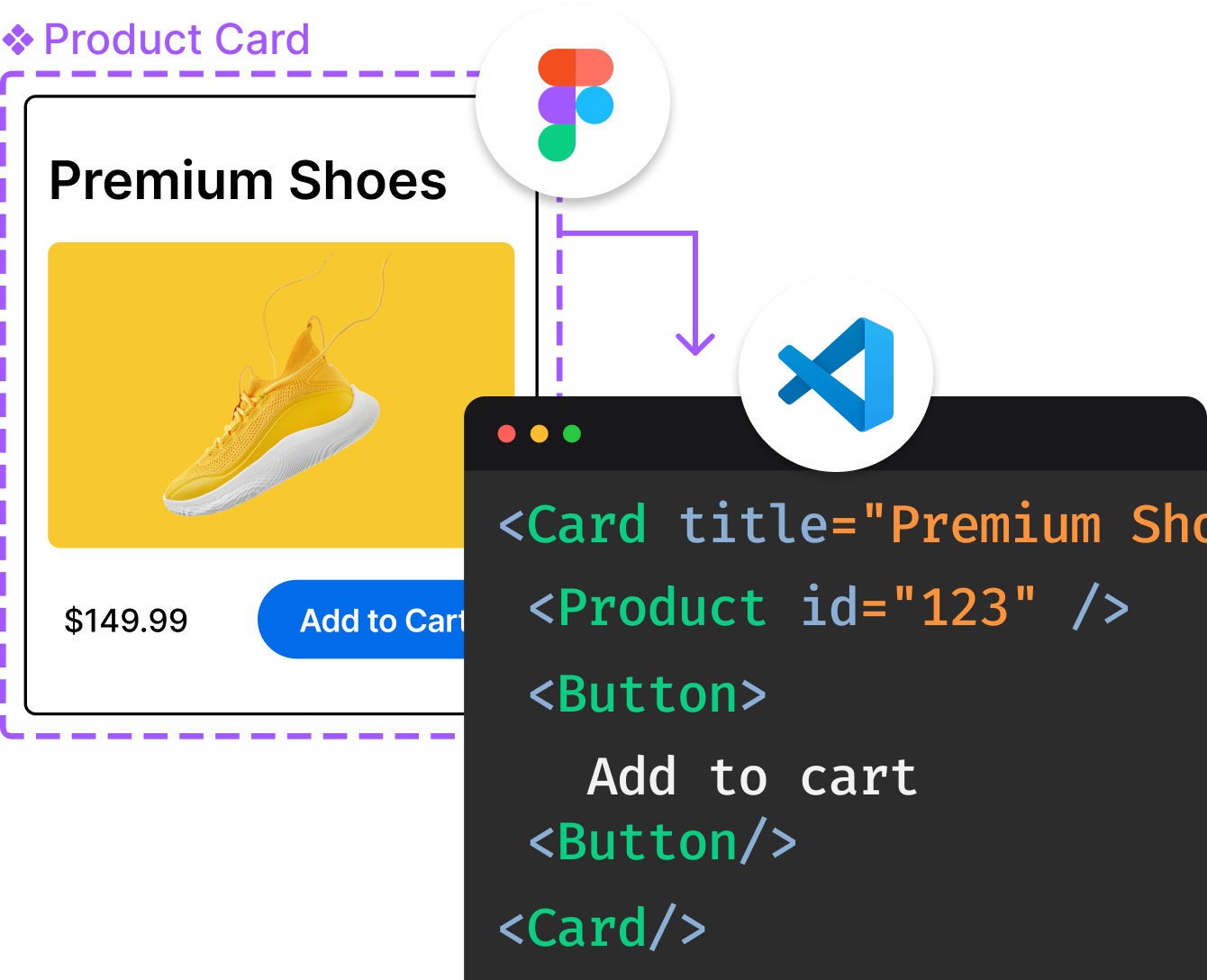
Introducing Visual Copilot: A new AI model to turn Figma designs to high quality code using your components.
Try Visual CopilotREADME

CRMEBå¼æºååç³»ç»Javaç



å®ç½ | å¨çº¿ä½éª | 帮å©ææ¡£ | ææ¯ç¤¾åº | 主é¢å¹¿åº | 宽å±é¢è§
å¦æ对æ¨æ帮å©ï¼æ¨å¯ä»¥ç¹å³ä¸è§ "Star" â¤ï¸ æ¯æä¸ä¸ 谢谢ï¼
ð 项ç®ä»ç»
CRMEBå¼æºååç³»ç»Javaçï¼æ¯ä¸æ¬¾åºäºApache-2.0åè®®åå¸çå¼æºçµå解å³æ¹æ¡ã代ç å ¨å¼æºæ å å¯ï¼å¯å è´¹åç¨ï¼éååç±»ä¼ä¸åå¼åè å¿«éæ建å¤ç«¯ä¸ä½åååã
ææ¯æ¶æ
ç³»ç»éç¨Java + Vue + uni-appææ¯æ ï¼åºäºSpringBootæ¡æ¶æ建ï¼åå端å离æ¶æè®¾è®¡æ¸ æ°ãåå©uni-appç跨端è½åï¼è½»æ¾å®ç°å°ç¨åºãå ¬ä¼å·ãH5ãAPPãPCç«¯å ¨è¦çï¼æ°æ®ç»ä¸ãä¸å¡åæ¥ï¼æ大æåå¼åä¸ç»´æ¤æçãåæ¶ï¼ç³»ç»ä»£ç è§èæ¸ æ°ï¼æ³¨é详尽ï¼äºæ¬¡å¼åååæ¹ä¾¿ã
æ ¸å¿åè½
管çåè½å ¨é¢ï¼å å«åå管çï¼æ¯æSKUãå±æ§ãåç±»ãè¯ä»·ï¼ã订å管çãç¨æ·ç®¡çãè´ç©è½¦ãç©æµç®¡çãè´¢å¡ç»è®¡ãå¤ç§æ¯ä»æ¹å¼çã
丰å¯çè¥éå·¥å ·
10ä½ç§è¥éåè½å å满足æ¥å¸¸éæ±ï¼å æ¬æ¼å¢ãç ä»·ãç§æãä¼æ å¸ãç¾å°ã积åãç级ä¼åãä½é¢å å¼ãåéè£åãæ´»å¨è¾¹æ¡ãæ°å´å¾çï¼å¯çµæ´»è®¾ç½®æ´»å¨è§åã
ð 主é¢å¹¿åº
å è´¹ä¸è½½
æ¥CRMEB主é¢å¹¿åºç 享海éç²¾é模æ¿ï¼é¶ææ¬æé 个æ§åååãæ éå ·å¤ä¸ä¸è®¾è®¡è½åï¼æµ·éå 费模çç´æ¥ä¸è½½ä½¿ç¨ï¼å¤æ ·å主é¢é£æ ¼å¯ç²¾åå¹é ä¸åè¡ä¸éæ±ï¼å¿«éæååºéºå½¢è±¡ä¸ç¨æ·ä½éªï¼è®©æ¨çååå¨èµ·æ¥é¶æ®µå°±èµ¢å¨è§è§èµ·è·çº¿ä¸ã
ä¸é®å¯¼å ¥
åç¹ä¸ºç®ï¼æéçæ°ååçé¢ãå½»åºåå«è¿å»ç¹ççæå¨DIYé ç½®æµç¨ï¼ä¸é®å¯¼å ¥ä¸»é¢å ï¼å³å¯å°æ´å¥ä¸»é¢ï¼å å«é¡µé¢å¸å±ä¸å ¨å±é è²ï¼æ ç¼èåè³æ¨çç³»ç»ä¸ãç³»ç»èªå¨å®æç»ä»¶å¹é ä¸æ°æ®æè½½ï¼æ éç¼åä»»ä½ä»£ç ï¼å³æ¶é¢è§çæã让ååæ¹çå级åæ¢ææºå£çº¸ä¸æ ·è½»æ¾ï¼æ大èçäºè¿è¥ä¸å¼åçæ¶é´ææ¬ã
ä¸æ¶ä¸»é¢å¹¿åº
ä¸ä» éå¿ç¨ï¼æ´è½è½»æ¾èµãæ¨å¯ä»¥å©ç¨ç³»ç»å¼ºå¤§çDIYåè½ï¼åºäºåæ模åèªç±ç»åé è²ãå¸å±ä¸ç»ä»¶ï¼æé åºç¬å ·ç¹è²çä¸å±ä¸»é¢ï¼å¹¶ç´æ¥ä¸æ¶è³ä¸»é¢å¹¿åºãå½å ¶ä»ç¨æ·ä»è´¹ä¸è½½æ¨çä½åæ¶ï¼æ¨å°è·å¾ç¸åºçæ¶çåæãè¿ä¸ä» 为æ¨ç设计è½åä¸ææ¯æ²æ·æä¾äºç´æ¥çåç°æ¸ éï¼æ´å©åå ±å»ºç¹è£çå¼æºååçæï¼å®ç°åæä¸ä»·å¼çåèµ¢ã
主é¢å¹¿åºï¼ä¸»é¢å¹¿åº
社åºå ±å»ºè®¡å
æ们è´åäºæé å¼åè å好çæï¼å¼æ¾æºç ãæç»æ´æ°åè½æ¨¡åï¼å¹¶æ¬¢è¿å¼åè æ交ä¼å建议æè´¡ç®ä»£ç ãéè¿å ±äº«ææ¯ææï¼éä½è¡ä¸éå¤é è½®åææ¬ï¼æ¨å¨å¼æºçµåç³»ç»çå¯æç»åå±ã
⨠系ç»ä¼å¿
- æç稳å®çæ¶æï¼å端 SpringBoot + SpringSecurityï¼å端 Vue + ElementUIï¼PC管ç端ï¼ä¸ uni-appï¼ç§»å¨ç«¯ï¼ï¼å¤ç«¯å¹¶è¡å¼åï¼ç»ææ¸ æ°ã
- **è§èçæ¥å£è®¾è®¡**ï¼æä¾è§èçRESTful APIä¸æ°æ®ç»æï¼æ¥å£å¤ç¨çé«ï¼é»è¾å±æ¬¡æ¸ æ°ï¼ä¾¿äºäºæ¬¡å¼åä¸ç³»ç»éæã
- **æ°æ®ä¸ç»è®¡**ï¼éæEChartså®ç°å¤ç»´æ°æ®çæ¿ï¼æ¯æ订åãç¨æ·ãèµéçå¤ç»´åº¦ç»è®¡åæï¼æ°æ®å¯å¯¼åºï¼å©åè¿è¥å³çã
- é«æå¼åæ¯æï¼æ¯æVue表åææ½çæï¼å¤§å¹ åå°å端éå¤å·¥ä½ï¼æåå¼åæçã
- **ç²¾ç»æéæ§å¶**ï¼åºäºSpring Securityå®ç°è§è²æéæ§å¶ï¼å¯ç²¾ç¡®å°æé®çº§å«ï¼ä¿éç³»ç»å®å ¨ã
- **é«å¯ç¨è®¾è®¡**ï¼å ç½®Rediséåï¼ææå峰解è¦ï¼æåç³»ç»å¹¶åè½åä¸ç¨³å®æ§ã
ð ï¸ ææ¯æ ä¸è¿è¡ç¯å¢
| ç±»å« | ææ¯ |
|---|---|
| å端æ¡æ¶ | SpringBoot 2.2.6.RELEASE |
| ORM | Mybatis Plus 3.3.1 |
| æ°æ®åº | MySQL 8.0 |
| ç¼å | Redis |
| æå»ºå·¥å · | Maven 3.6.1 |
| APIææ¡£ | swagger-bootstrap-ui 1.0 |
| PC管ç端 | Vue 2.x + Element UI 2.13 |
| 移å¨ç«¯ | uni-appï¼H5 + å ¬ä¼å· + 微信å°ç¨åºï¼ |
| å¼åå·¥å · | HbuilderXï¼ç§»å¨ç«¯ï¼ |
| è¿è¡ç¯å¢ | Java 1.8ãNode 14ãnpm 6 |
| å ¼å®¹æ§ | 主æµæµè§å¨ï¼å« IE11+ï¼ãLinux / Windows |
ð¦ 项ç®ç»æ
crmeb_java
âââ admin/ PC端管ç端ï¼Vue + ElementUIï¼
âââ app/ 移å¨ååï¼UniAppæ åå¼åï¼æ¯æH5 + 微信å°ç¨åºï¼
âââ crmeb/ å端APIæå¡ï¼Java SpringBoot + MybatisPlusï¼
âââ æ¥å£ææ¡£/ é¨ç½²åä¹å¯å¨çº¿æ¥ç Swagger ææ¡£
ð ç³»ç»åè½

ð UIçé¢å±ç¤º

ð åå°çé¢å±ç¤º

ð ç³»ç»æ¼ç¤º

**管çåå°**ï¼https://admin.java.crmeb.net
è´¦å·ï¼demo / å¯ç ï¼crmeb.com
**H5 端**ï¼https://java.crmeb.net
ð 项ç®èµæ
ææ¡£èµæº
| ææ¡£ | é¾æ¥ |
|---|---|
| 使ç¨ææ¡£ | https://doc.crmeb.com/java/crmeb_java/1868 |
| æ¥å£ææ¡£ | https://s.apifox.cn/f6079100-abee-40fe-959d-846e44f1a048 |
| æ°æ®åå ¸ | https://doc.crmeb.com/java/crmeb_java/5410 |
| äºå¼ææ¡£ | https://doc.crmeb.com/java |
| ææ¯ç¤¾åº | https://www.crmeb.com/ask/thread/list/152 |
å®è£ æç¨
- è§é¢æç¨ï¼ç¹å»æ¥ç
- å®è£ æ¥éª¤è¯¦è§£ï¼https://doc.crmeb.com/java/crmeb_java/2154
ð¬ ææ¯äº¤æµ
欢è¿å å ¥CRMEBå¼æºææ¯äº¤æµç¾¤ï¼æ«ç è¿ç¾¤å è´¹é¢åæ¥å£ææ¡£ãåè½æ¸ åãæ维导å¾çèµæºï¼

æ¨è¿å¯ä»¥å¨ CRMEBææ¯ç¤¾åº ä¸æ交Bugã交æµè§£å³æ¹æ¡ãè·åå®æ¹æ´æ°å¨æã
CRMEBå¼æºååPHPçï¼https://gitee.com/ZhongBangKeJi/CRMEB
Top Related Projects
mall项目是一套电商系统,包括前台商城系统及后台管理系统,基于Spring Boot+MyBatis实现,采用Docker容器化部署。 前台商城系统包含首页门户、商品推荐、商品搜索、商品展示、购物车、订单流程、会员中心、客户服务、帮助中心等模块。 后台管理系统包含商品管理、订单管理、会员管理、促销管理、运营管理、内容管理、统计报表、财务管理、权限管理、设置等模块。
基于Spring+SpringMVC+Mybatis分布式敏捷开发系统架构,提供整套公共微服务服务模块:集中权限管理(单点登录)、内容管理、支付中心、用户管理(支持第三方登录)、微信平台、存储系统、配置中心、日志分析、任务和通知等,支持服务治理、监控和追踪,努力为中小型企业打造全方位J2EE企业级开发解决方案。
AI低代码平台,支持「低代码 + 零代码」双模式:零代码 5 分钟搭建业务系统,低代码模式一键生成前后端代码。 内置AI 应用,支持AI聊天、知识库、流程编排、MCP与插件,支持各种模型。Skills能力实现:一句话画流程图、设计表单、生成系统。 引领 AI生成→在线配置→代码生成→手工合并的开发模式,解决Java项目80%的重复工作,快速提高效率,又不失灵活性。
eladmin jpa 版本:项目基于 Spring Boot 2.7.18、 Jpa、 Spring Security、Redis、Vue的前后端分离的后台管理系统,项目采用分模块开发方式, 权限控制采用 RBAC,支持数据字典与数据权限管理,支持一键生成前后端代码,支持动态路由
又一个小商城。litemall = Spring Boot后端 + Vue管理员前端 + 微信小程序用户前端 + Vue用户移动端
Convert designs to code with AI
Introducing Visual Copilot: A new AI model to turn Figma designs to high quality code using your components.
Try Visual Copilot