
Top Related Projects

An extremely fast bundler for the web

Rust-based platform for the Web

Compile a Node.js project into a single file. Supports TypeScript, binary addons, dynamic requires.

TypeScript execution and REPL for node.js

Zero-config CLI for TypeScript package development

TypeScript is a superset of JavaScript that compiles to clean JavaScript output.
Quick Overview
esbuild-register is a Node.js module that allows you to use ESM (ECMAScript Modules) and TypeScript in your Node.js applications without the need for a separate compilation step. It leverages the fast esbuild bundler to transpile your code on-the-fly, providing a seamless development experience.
Pros
- Fast transpilation due to esbuild's performance
- Supports both ESM and TypeScript out of the box
- No separate build step required for development
- Easy integration with existing Node.js projects
Cons
- May not support all TypeScript features or edge cases
- Potential runtime overhead compared to pre-compiled code
- Limited customization options compared to full-fledged build tools
- Not suitable for production use (intended for development only)
Code Examples
- Basic usage with ESM:
// index.js
import { register } from 'esbuild-register/dist/node'

register()

import { hello } from './module.js'
console.log(hello('world'))
- Using TypeScript:
// app.ts
import { sum } from './math'

const result = sum(5, 3)
console.log(`The sum is: ${result}`)
- Configuring esbuild-register:
// setup.js
import { register } from 'esbuild-register/dist/node'

register({
  target: 'node14',
  jsx: 'transform',
  tsconfig: './custom-tsconfig.json'
})

// Your application code here
Getting Started
To use esbuild-register in your project:
-
Install the package:
npm install esbuild-register --save-dev -
Create a startup script (e.g.,
start.js):require('esbuild-register/dist/node').register() require('./your-main-file') -
Run your application:
node start.js
Now you can use ESM and TypeScript in your Node.js application without a separate build step.
Competitor Comparisons
An extremely fast bundler for the web
Pros of esbuild
- Core esbuild project with broader functionality and use cases
- Significantly faster build times for large projects
- More actively maintained with frequent updates and improvements
Cons of esbuild
- Requires additional setup for use as a Node.js module loader
- Less focused on specific use case of registering esbuild for Node.js
- Steeper learning curve for basic Node.js module loading scenarios
Code Comparison
esbuild:
const esbuild = require('esbuild');

esbuild.build({
  entryPoints: ['app.js'],
  bundle: true,
  outfile: 'out.js',
}).catch(() => process.exit(1));
esbuild-register:
require('esbuild-register');

// Now you can directly require TypeScript or JSX files
const myModule = require('./myModule.ts');
Summary
esbuild is the core project offering a wide range of build tools and optimizations, while esbuild-register is a focused solution for using esbuild as a Node.js module loader. esbuild provides more flexibility and performance for complex build scenarios, but esbuild-register offers a simpler setup for quickly enabling TypeScript and JSX support in Node.js environments. The choice between the two depends on the specific needs of your project and the desired level of configuration.
Rust-based platform for the Web
Pros of swc
- Faster compilation speed, especially for larger projects
- More comprehensive JavaScript and TypeScript support
- Extensible plugin system for custom transformations
Cons of swc
- Steeper learning curve due to more configuration options
- Less mature ecosystem compared to esbuild
Code Comparison
swc configuration example:
{
  "jsc": {
    "parser": {
      "syntax": "typescript",
      "tsx": true
    },
    "target": "es2015"
  }
}
esbuild-register usage example:
require('esbuild-register')
require('./your-typescript-file')
Key Differences
- swc is a complete compiler and bundler, while esbuild-register is primarily for on-the-fly transpilation
- swc offers more fine-grained control over compilation settings
- esbuild-register provides a simpler setup for quick prototyping and development
Use Cases
- swc: Large-scale projects requiring optimized builds and custom transformations
- esbuild-register: Rapid development, testing, and smaller projects with simpler compilation needs
Community and Ecosystem
- swc has a growing community and is gaining popularity in the React ecosystem
- esbuild-register benefits from esbuild's reputation for speed and simplicity
Performance
- Both tools are known for their speed, but swc may have an edge in larger projects
- esbuild-register excels in quick startup times for development workflows
Compile a Node.js project into a single file. Supports TypeScript, binary addons, dynamic requires.
Pros of ncc
- Produces a single file output, simplifying deployment and distribution
- Includes all dependencies in the bundled output, reducing external dependencies
- Optimizes and minifies the code for better performance
Cons of ncc
- Larger output file size due to bundling all dependencies
- Less flexibility for runtime configuration changes
- Potentially longer build times for large projects
Code Comparison
ncc:
ncc build input.js -o dist
esbuild-register:
require('esbuild-register')
require('./your-entry-file')
Key Differences
ncc focuses on creating a single, self-contained executable file, while esbuild-register provides a runtime transformation solution. ncc is better suited for distributing applications or CLI tools, whereas esbuild-register is more appropriate for development environments and quick iterations.
ncc requires a build step before running the application, while esbuild-register allows for on-the-fly transpilation. This makes esbuild-register more convenient for rapid development cycles but potentially less optimized for production deployments.
Both tools leverage the speed of esbuild, but ncc provides additional optimizations and bundling capabilities at the cost of flexibility. esbuild-register offers a simpler setup and faster startup times during development, but may require additional configuration for production use.
TypeScript execution and REPL for node.js
Pros of ts-node
- More mature and widely adopted in the TypeScript ecosystem
- Supports a broader range of TypeScript features and configurations
- Integrates well with popular testing frameworks and development tools
Cons of ts-node
- Generally slower compilation and execution times
- Higher memory usage, especially for larger projects
- More complex setup and configuration process
Code Comparison
ts-node:
// ts-node execution
ts-node src/index.ts

// ts-node with custom compiler options
ts-node --compiler-options '{"target": "es6"}' src/index.ts
esbuild-register:
// esbuild-register execution
node -r esbuild-register src/index.ts

// esbuild-register with custom options
node -r esbuild-register/register src/index.ts
Both ts-node and esbuild-register aim to provide seamless TypeScript execution in Node.js environments. ts-node offers a more comprehensive TypeScript experience with broader feature support, while esbuild-register focuses on speed and simplicity.
ts-node is better suited for projects requiring full TypeScript functionality and integration with various development tools. esbuild-register, on the other hand, excels in scenarios where fast compilation and execution are prioritized over extensive TypeScript features.
The choice between the two depends on project requirements, development workflow, and performance considerations. For quick prototyping or projects with simpler TypeScript needs, esbuild-register might be preferable due to its speed. For more complex TypeScript projects or those requiring specific compiler options, ts-node remains a solid choice.
Zero-config CLI for TypeScript package development
Pros of tsdx
- Provides a complete zero-config CLI for TypeScript package development
- Includes built-in support for testing, linting, and building documentation
- Offers preconfigured optimizations for bundle size and performance
Cons of tsdx
- Less flexible for custom configurations compared to esbuild-register
- May include unnecessary features for simpler projects
- Slower build times due to more comprehensive tooling
Code Comparison
tsdx:
// tsdx.config.js
module.exports = {
  rollup(config, options) {
    return config;
  },
};
esbuild-register:
// esbuild-register usage
require('esbuild-register');
require('./your-typescript-file');
Key Differences
- tsdx provides a full-featured development environment, while esbuild-register focuses on fast TypeScript/JSX compilation
- esbuild-register offers quicker startup times and simpler integration
- tsdx includes more opinionated defaults and tooling out of the box
Use Cases
- Choose tsdx for comprehensive TypeScript package development with minimal setup
- Opt for esbuild-register when prioritizing speed and simplicity in TypeScript/JSX compilation
TypeScript is a superset of JavaScript that compiles to clean JavaScript output.
Pros of TypeScript
- Comprehensive type system and language features
- Extensive ecosystem and community support
- Robust tooling and IDE integration
Cons of TypeScript
- Slower compilation times compared to esbuild-register
- Steeper learning curve for developers new to static typing
Code Comparison
TypeScript:
interface User {
  name: string;
  age: number;
}

function greet(user: User): string {
  return `Hello, ${user.name}!`;
}
esbuild-register:
// No type annotations required
function greet(user) {
  return `Hello, ${user.name}!`;
}
Key Differences
- TypeScript provides static type checking, while esbuild-register focuses on fast transpilation
- esbuild-register offers simpler setup and faster execution for Node.js projects
- TypeScript has more advanced language features and better tooling support
Use Cases
- TypeScript: Large-scale applications, complex codebases, teams prioritizing type safety
- esbuild-register: Quick prototyping, smaller projects, scenarios where fast startup times are crucial
Performance
- esbuild-register generally offers faster compilation and startup times
- TypeScript provides better long-term performance benefits through enhanced code quality and error prevention
Convert  designs to code with AI
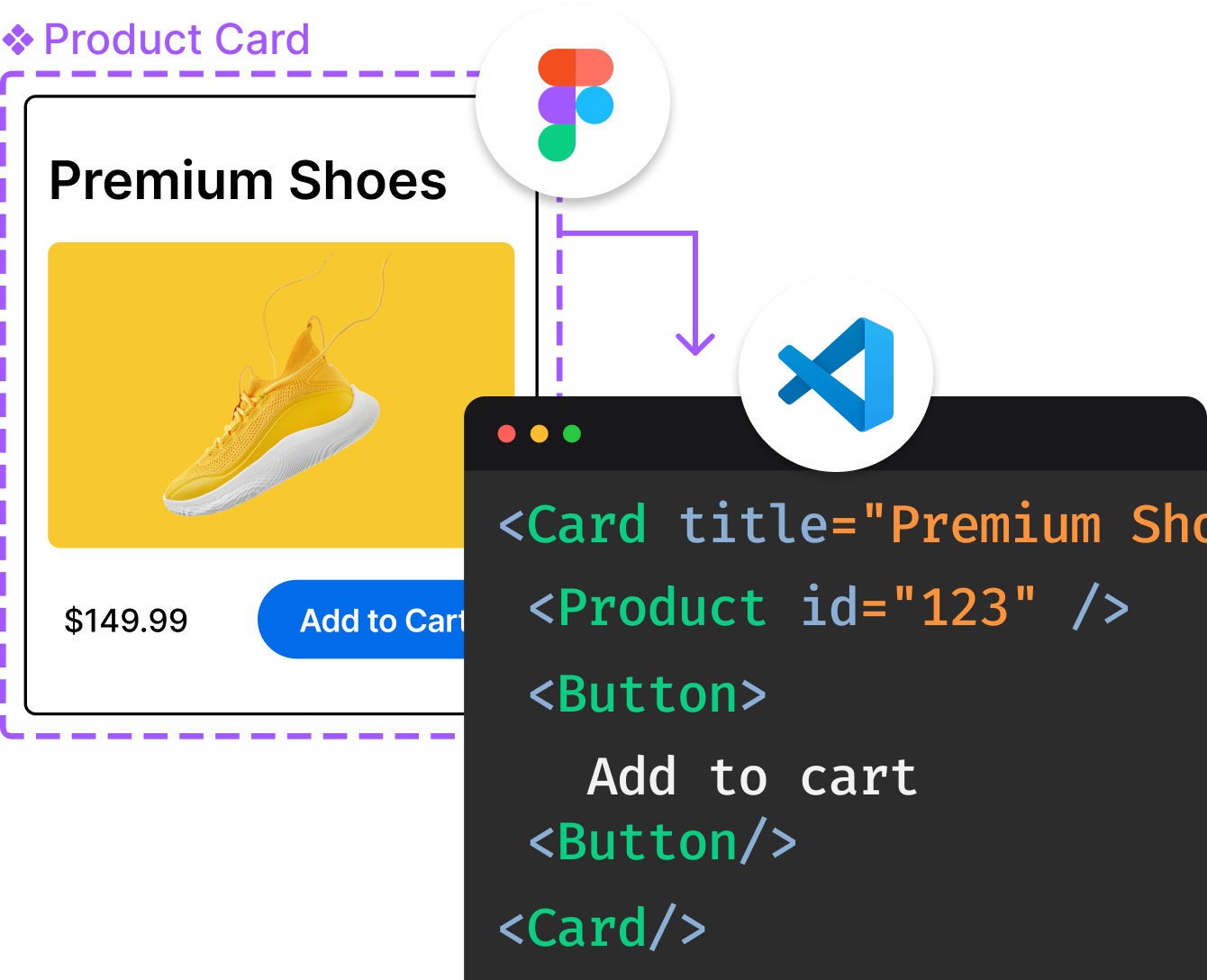
Introducing Visual Copilot: A new AI model to turn Figma designs to high quality code using your components.
Try Visual CopilotREADME
esbuild-register
Install
npm i esbuild esbuild-register -D
# Or Yarn
yarn add esbuild esbuild-register --dev
# Or pnpm
pnpm add esbuild esbuild-register -D
Usage
node -r esbuild-register file.ts
It will use jsxFactory, jsxFragmentFactory and target options from your tsconfig.json
Experimental loader support
When using in a project with type: "module" in package.json, you need the --loader flag to load TypeScript files:
node --loader esbuild-register/loader -r esbuild-register ./file.ts
Programmatic Usage
const { register } = require('esbuild-register/dist/node')

const { unregister } = register({
  // ...options
})

// Unregister the require hook if you don't need it anymore
unregister()
Sponsors

License
MIT © EGOIST
Top Related Projects
An extremely fast bundler for the web
Rust-based platform for the Web
Compile a Node.js project into a single file. Supports TypeScript, binary addons, dynamic requires.
TypeScript execution and REPL for node.js
Zero-config CLI for TypeScript package development
TypeScript is a superset of JavaScript that compiles to clean JavaScript output.
Convert designs to code with AI
Introducing Visual Copilot: A new AI model to turn Figma designs to high quality code using your components.
Try Visual Copilot