
Top Related Projects

🎉 A Vue.js 3 UI Library made by Element team

🐉 Vue Component Framework

Remote Administration Tool for Windows

🌈 An enterprise-class UI components based on Ant Design and Vue. 🐜

A Vue.js 2.0 UI Toolkit for Web
Quick Overview
Element-Plus-X is an extension library for Element Plus, a popular Vue 3 UI component library. It aims to provide additional components and features that are not included in the core Element Plus library, enhancing the development experience for Vue 3 applications.
Pros
- Extends the functionality of Element Plus with additional components
- Seamlessly integrates with existing Element Plus projects
- Follows Element Plus design principles for consistency
- Regularly updated to maintain compatibility with the latest Element Plus versions
Cons
- May introduce additional bundle size to projects
- Documentation might not be as comprehensive as the core Element Plus library
- Potential for conflicts or inconsistencies with future Element Plus updates
- Limited community support compared to the main Element Plus project
Code Examples
- Using a custom component:
<template>
  <epx-advanced-table :data="tableData" :columns="columns" />
</template>

<script setup>
import { ref } from 'vue'
import { EpxAdvancedTable } from 'element-plus-x'

const tableData = ref([/* ... */])
const columns = ref([/* ... */])
</script>
- Implementing a custom form element:
<template>
  <epx-date-range-picker v-model="dateRange" />
</template>

<script setup>
import { ref } from 'vue'
import { EpxDateRangePicker } from 'element-plus-x'

const dateRange = ref([])
</script>
- Using an extended dialog component:
<template>
  <epx-draggable-dialog
    v-model="dialogVisible"
    title="Draggable Dialog"
    :draggable="true"
  >
    <p>This dialog can be dragged around the screen.</p>
  </epx-draggable-dialog>
</template>

<script setup>
import { ref } from 'vue'
import { EpxDraggableDialog } from 'element-plus-x'

const dialogVisible = ref(false)
</script>
Getting Started
To use Element-Plus-X in your Vue 3 project:
-
Install the package:
npm install element-plus-x -
Import and use components in your Vue files:
<script setup> import { EpxComponent } from 'element-plus-x' </script> <template> <epx-component /> </template> -
(Optional) Register components globally in your main.js:
import { createApp } from 'vue'
import ElementPlusX from 'element-plus-x'
import App from './App.vue'

const app = createApp(App)
app.use(ElementPlusX)
app.mount('#app')
Competitor Comparisons
🎉 A Vue.js 3 UI Library made by Element team
Pros of Element Plus
- Larger community and more active development
- More comprehensive documentation and examples
- Wider range of components and features
Cons of Element Plus
- Steeper learning curve for beginners
- Potentially more complex setup and configuration
- Larger bundle size due to extensive feature set
Code Comparison
Element Plus:
<template>
  <el-button type="primary" @click="handleClick">Click me</el-button>
</template>

<script>
import { ElButton } from 'element-plus'

export default {
  components: { ElButton },
  methods: {
    handleClick() {
      console.log('Button clicked')
    }
  }
}
</script>
Element-Plus-X:
<template>
  <x-button type="primary" @click="handleClick">Click me</x-button>
</template>

<script>
import { XButton } from 'element-plus-x'

export default {
  components: { XButton },
  methods: {
    handleClick() {
      console.log('Button clicked')
    }
  }
}
</script>
The code comparison shows that both libraries have similar usage patterns, with minor differences in component naming conventions. Element Plus uses the el- prefix, while Element-Plus-X uses the x- prefix for its components.
🐉 Vue Component Framework
Pros of Vuetify
- Larger community and ecosystem, with more resources and third-party integrations
- More comprehensive set of pre-built components and layouts
- Better documentation and extensive examples
Cons of Vuetify
- Steeper learning curve due to its extensive feature set
- Larger bundle size, which may impact initial load times
- More opinionated design system, potentially limiting customization flexibility
Code Comparison
Element-Plus-X:
<template>
  <el-button type="primary">Primary Button</el-button>
</template>
Vuetify:
<template>
  <v-btn color="primary">Primary Button</v-btn>
</template>
Both frameworks offer similar component usage, but Vuetify tends to use more concise prop names (e.g., color instead of type). Vuetify also provides a wider range of built-in styling options and variants for most components.
Element-Plus-X is based on Element Plus, which is primarily designed for Vue 3, while Vuetify supports both Vue 2 and Vue 3. Vuetify's larger ecosystem and longer presence in the market contribute to its more extensive documentation and community support.
However, Element-Plus-X may offer a simpler learning curve and potentially smaller bundle size, making it a good choice for smaller projects or teams new to Vue component libraries. Vuetify, on the other hand, excels in larger, more complex applications where its comprehensive feature set and extensive customization options can be fully utilized.
Remote Administration Tool for Windows
Pros of Quasar
- More comprehensive framework with built-in support for multiple platforms (web, mobile, desktop)
- Larger and more active community, resulting in better documentation and support
- Offers a CLI tool for easy project setup and management
Cons of Quasar
- Steeper learning curve due to its extensive feature set
- Potentially larger bundle size if not properly optimized
- Less flexibility in terms of customization compared to Element-Plus-X
Code Comparison
Element-Plus-X:
<template>
  <el-button type="primary">Primary Button</el-button>
</template>
Quasar:
<template>
  <q-btn color="primary" label="Primary Button" />
</template>
Both frameworks offer similar component-based structures, but Quasar's syntax is often more concise. Quasar also provides a wider range of built-in components and utilities, which can lead to faster development for complex applications. However, Element-Plus-X may be more suitable for developers who prefer a lighter-weight solution or need more granular control over their UI components.
🌈 An enterprise-class UI components based on Ant Design and Vue. 🐜
Pros of Ant Design Vue
- Larger community and more frequent updates
- More comprehensive documentation and examples
- Better TypeScript support and type definitions
Cons of Ant Design Vue
- Steeper learning curve due to more complex API
- Larger bundle size, which may impact performance
- Less flexibility in customization compared to Element Plus X
Code Comparison
Ant Design Vue:
<template>
  <a-button type="primary" @click="handleClick">
    Click me
  </a-button>
</template>
Element Plus X:
<template>
  <el-button type="primary" @click="handleClick">
    Click me
  </el-button>
</template>
Both libraries offer similar component usage, but Ant Design Vue tends to have more props and events available for fine-tuning component behavior. Element Plus X generally provides a simpler API with fewer options, which can be easier for beginners but may limit advanced customization.
Ant Design Vue follows the design principles of Ant Design more closely, while Element Plus X offers a different aesthetic that may be preferred by some developers. The choice between these libraries often comes down to personal preference, project requirements, and team familiarity with the respective ecosystems.
A Vue.js 2.0 UI Toolkit for Web
Pros of Element
- More mature and established project with a larger community
- Extensive documentation and examples available
- Wider range of components and features
Cons of Element
- Based on Vue 2, which may be outdated for newer projects
- Less frequent updates and slower adoption of new Vue features
- Potentially more complex setup for modern Vue 3 applications
Code Comparison
Element (Vue 2):
<template>
  <el-button type="primary" @click="handleClick">Click me</el-button>
</template>

<script>
export default {
  methods: {
    handleClick() {
      console.log('Button clicked')
    }
  }
}
</script>
Element-Plus-X (Vue 3):
<template>
  <el-button type="primary" @click="handleClick">Click me</el-button>
</template>

<script setup>
const handleClick = () => {
  console.log('Button clicked')
}
</script>
The main difference in the code examples is the use of the Composition API and <script setup> in Element-Plus-X, which is specific to Vue 3. Element uses the Options API, which is typical for Vue 2 applications. The component usage remains similar, but the underlying implementation and available features may differ between the two libraries.
Convert  designs to code with AI
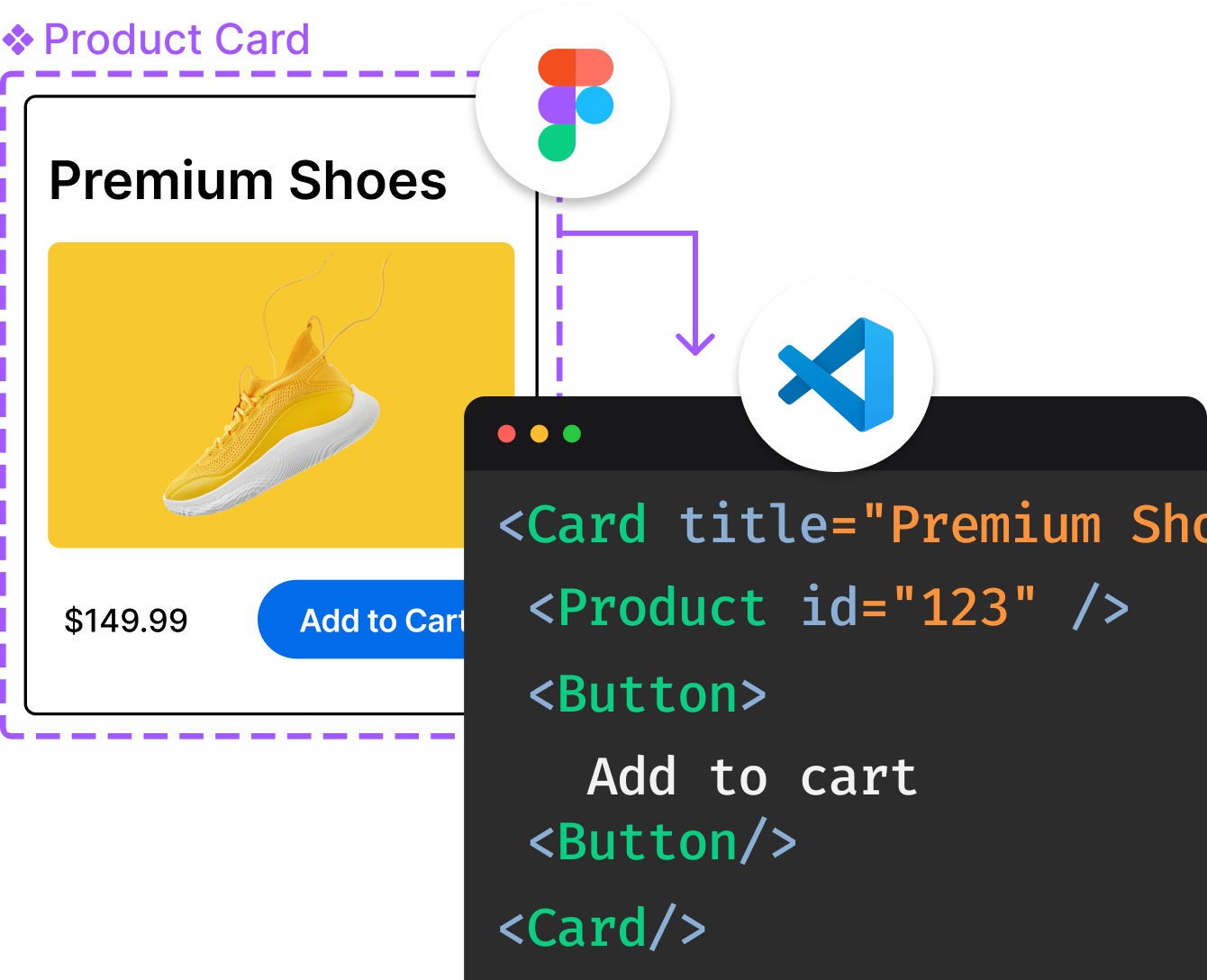
Introducing Visual Copilot: A new AI model to turn Figma designs to high quality code using your components.
Try Visual CopilotREADME







æ¬é¡¹ç® CDN å éåå®å ¨é²æ¤ç± Tencent EdgeOne èµå©
äºæ´²æä½³CDNãè¾¹ç¼åå®å ¨è§£å³æ¹æ¡ - Tencent EdgeOne

ð项ç®æ¨¡çï¼å·²ç»æ¨åºð


English | ç®ä½ä¸æ
ð Element-Plus-X
å¼ç®±å³ç¨çä¼ä¸çº§ AI ç»ä»¶åºï¼åºäº Vue 3 + Element-Plusï¼
ð¢ å¿«éé¾æ¥
| èµæºç±»å | é¾æ¥ |
|---|---|
| ææ¡£ | ð å¼åææ¡£ |
| å¨çº¿æ¼ç¤º | ðï¸ å¨çº¿é¢è§ |
| 代ç ä»åº | ð GitHub ð Gitee |
| NPM å | ð¦ npm |
| é®é¢åé¦ | ð æ交 Bug |
| 交æµè®¨è®º | ð 交æµç¾¤ |
| 模çé¡¹ç® é¢è§ | ð å¨çº¿é¢è§ |
| 模çé¡¹ç® æºç | ð GitHub ð Gitee |
ð ï¸ æ ¸å¿ç¹æ§
- ⨠**ä¼ä¸çº§ AI ç»ä»¶**ï¼å ç½®è天æºå¨äººãè¯é³äº¤äºçåºæ¯åç»ä»¶
- ð é¶é ç½®éæï¼åºäº Element-Plus 设计ä½ç³»ï¼å¼ç®±å³ç¨
- ð¦ æéå è½½ï¼æä¾ Tree Shaking ä¼å
ð¦ å®è£
# NPM
npm install vue-element-plus-x
# PNPMï¼æ¨èï¼
pnpm install vue-element-plus-x
# Yarn
yarn install vue-element-plus-x
ð 使ç¨æ¡ä¾
- æéå¼å ¥
<script setup>
import { BubbleList, XSender } from 'vue-element-plus-x';

const list = [
  {
    content: 'Hello, Element Plus X',
    role: 'user'
  }
];
</script>

<template>
  <div
    style="display: flex; flex-direction: column; height: 230px; justify-content: space-between;"
  >
    <BubbleList :list="list" />
    <XSender />
  </div>
</template>
- å ¨å±å¼å ¥
// main.ts
import { createApp } from 'vue';
import ElementPlusX from 'vue-element-plus-x';
import App from './App.vue';
const app = createApp(App);
// ä½¿ç¨ app.use() å
¨å±å¼å
¥
app.use(ElementPlusX);
app.mount('#app');
- CDN å¼å ¥
<!-- 该æ¹æ³ æå¾
æµè¯ -->
<!-- CDN å¼å
¥ -->
<script src="https://unpkg.com/vue-element-plus-x@1.3.0/dist/umd/index.js"></script>
ð å·²å®ç° ç»ä»¶ å Hooks
| ç»ä»¶å | æè¿° | ææ¡£é¾æ¥ |
|---|---|---|
Bubble | æ°æ³¡æ¶æ¯ç»ä»¶ ï¼æå±ï¼ | ð ææ¡£ |
BubbleList | æ°æ³¡æ¶æ¯å表 ï¼æå±ï¼ | ð ææ¡£ |
Conversations | ä¼è¯ç®¡çç»ä»¶ ï¼æå±ï¼ | ð ææ¡£ |
Welcome | 欢è¿ç»ä»¶ | ð ææ¡£ |
Prompts | æ示éç»ä»¶ | ð ææ¡£ |
FilesCard | æ件å¡çç»ä»¶ | ð ææ¡£ |
Attachments | ä¸ä¼ é件ç»ä»¶ | ð ææ¡£ |
XSender | æºè½è¾å ¥æ¡ï¼å«è¯é³äº¤äºãæååè½ï¼ | ð ææ¡£ |
Thinking | æèä¸ç»ä»¶ ï¼æå±ï¼ | ð ææ¡£ |
ThoughtChain | æèé¾ç»ä»¶ | ð ææ¡£ |
useRecord | æµè§å¨å ç½®è¯é³è¯å« API Hooks | ð ææ¡£ |
useXStream | æµæ¨¡å¼æ¥å£ Hooks | ð ææ¡£ |
useSend & XRequest | æµæ¨¡å¼ hooks çæå ï¼æå±ï¼ | ð ææ¡£ |
ð¯å¼å计å (æ¯å¨æ´æ°)
ðæ们ä¼å¨ issue ã交æµç¾¤ çå¤æ¹é¢æ¶é大家çéå°çé®é¢ï¼åéæ±åºæ¯ï¼å¶å®çæåé¿æçå¼å计åï¼æ¥ç详æ 请移æ¥ð å¼å计å
ð¤ åä¸è´¡ç®
- Fork ä»åº â 2. å建 Feature åæ¯ â 3. æ交 Pull Request
详æ å¯ä»¥ç§»æ¥ð å¼åæå
æ们欢è¿ï¼
- ð Bug ä¿®å¤
- ð¡ æ°åè½ææ¡
- ð ææ¡£å®å
- ð¨ æ ·å¼ä¼å
ð¥ è´¡ç®è
ð¥ 社åºæ¯æ

å å ¥å¾®ä¿¡äº¤æµç¾¤ï¼è·åææ°å¨æåææ¯æ¯æ
交æµç¾¤å¦æè¿ææè 失æï¼å¯ä»¥æ·»å ä½è vx

ð çæ¬çç¥
çæ¬å·è§å
æ们éç¨è¯ä¹åçæ¬å·ï¼SemVerï¼ï¼MAJOR.MINOR.PATCH
- MAJOR: é大çæ¬æ´æ°ï¼å¯è½å å«ç ´åæ§åæ´
- MINOR: æ°åè½æ·»å ï¼ååå ¼å®¹
- PATCH: Bug ä¿®å¤ï¼ååå ¼å®¹
- é¢åå¸æ è¯:
-beta.0,-rc.1ç
å®è£ æ¹å¼
# å®è£
稳å®çï¼æ¨èï¼
pnpm install vue-element-plus-x
# å®è£
beta çæ¬
pnpm install vue-element-plus-x@beta
# å®è£
æå®çæ¬
pnpm install vue-element-plus-x@2.0.0-beta.0
çæ¬åå¸æ¸ é
| æ¸ é | npm tag | 说æ |
|---|---|---|
| 稳å®ç | latest | ç产ç¯å¢æ¨èä½¿ç¨ |
| æµè¯ç | beta | æ°åè½é¢è§ï¼å¯è½ä¸ç¨³å® |
ð·ï¸ ç»ä»¶å¾½æ 说æ
ææ¡£ä¸çç»ä»¶å¯è½å¸¦æ以ä¸å¾½æ ï¼
| å¾½æ | å«ä¹ |
|---|---|
| ð æ°å¢ | æ°å¢çç»ä»¶æåè½ |
| ð æ´æ° | æè¿æé大æ´æ°çç»ä»¶ |
| â ï¸ åºå¼ | å³å°åºå¼çç»ä»¶ |
| ð¬ å®éªæ§ | å®éªæ§åè½ï¼API å¯è½åå |
ð åå¸æµç¨
åå¸ Beta çæ¬
- æ´æ°
packages/core/package.jsonä¸ççæ¬å·ä¸ºX.X.X-beta.X - è¿è¡
pnpm changesetå建åæ´è®°å½ - æ交代ç 并å建 tag:
git tag vX.X.X-beta.X - æ¨é tag:
git push origin vX.X.X-beta.X - CI èªå¨åå¸å° npm
@betatag
åå¸æ£å¼çæ¬
- æ´æ°çæ¬å·ä¸ºæ£å¼çæ¬
- æ´æ°
CHANGELOG.md - å建并æ¨é tag
- CI èªå¨åå¸å° npm
@latesttag
ð§ æ¬å°å¼å
# å
éä»åº
git clone https://github.com/HeJiaYue520/Element-Plus-X.git
# å®è£
ä¾èµ
pnpm install
# å¯å¨ææ¡£å¼åæå¡å¨
pnpm run dev:docs
# å¯å¨ç»ä»¶å¼åæå¡å¨ (Storybook)
pnpm run dev:core
# æ建ç»ä»¶åº
pnpm run build:core
Top Related Projects
🎉 A Vue.js 3 UI Library made by Element team
🐉 Vue Component Framework
Remote Administration Tool for Windows
🌈 An enterprise-class UI components based on Ant Design and Vue. 🐜
A Vue.js 2.0 UI Toolkit for Web
Convert designs to code with AI
Introducing Visual Copilot: A new AI model to turn Figma designs to high quality code using your components.
Try Visual Copilot