 filament
A powerful open-source UI framework for Laravel • Build and ship apps & admin panels fast with Livewire
Top Related Projects

A full-stack framework for Laravel that takes the pain out of building dynamic UIs.

Easy AdminLTE integration with Laravel

A dynamic table component for Laravel Livewire
Quick Overview
Filament is a powerful and flexible Laravel admin panel and application framework. It provides a set of tools and components to rapidly build beautiful, responsive, and feature-rich admin interfaces and CRUD panels for Laravel applications.
Pros
- Highly customizable and extensible
- Built-in authentication, authorization, and user management
- Responsive design with dark mode support
- Comprehensive set of form components and widgets
Cons
- Steep learning curve for beginners
- Requires Laravel knowledge
- Limited third-party plugin ecosystem compared to some alternatives
- May be overkill for simple projects
Code Examples
Creating a resource:
use App\Models\Customer;
use Filament\Resources\Resource;
use Filament\Resources\Table;
use Filament\Tables;

class CustomerResource extends Resource
{
    protected static ?string $model = Customer::class;

    public static function table(Table $table): Table
    {
        return $table
            ->columns([
                Tables\Columns\TextColumn::make('name'),
                Tables\Columns\TextColumn::make('email'),
            ])
            ->filters([
                //
            ])
            ->actions([
                Tables\Actions\EditAction::make(),
            ])
            ->bulkActions([
                Tables\Actions\DeleteBulkAction::make(),
            ]);
    }
}
Adding a custom action:
use Filament\Tables\Actions\Action;

Action::make('approve')
    ->label('Approve')
    ->icon('heroicon-o-check')
    ->action(fn (Customer $record) => $record->approve())
    ->requiresConfirmation()
Creating a dashboard widget:
use Filament\Widgets\StatsOverviewWidget as Widget;
use Filament\Widgets\StatsOverviewWidget\Card;

class CustomerStatsWidget extends Widget
{
    protected function getCards(): array
    {
        return [
            Card::make('Total Customers', Customer::count()),
            Card::make('New Customers', Customer::where('created_at', '>=', now()->subWeek())->count()),
        ];
    }
}
Getting Started
-
Install Filament via Composer:
composer require filament/filament -
Run the installation command:
php artisan filament:install -
Create a user:
php artisan make:filament-user -
Start your Laravel development server and visit
/adminto access the Filament dashboard.
Competitor Comparisons
A full-stack framework for Laravel that takes the pain out of building dynamic UIs.
Pros of Livewire
- More lightweight and flexible, allowing for granular control over components
- Easier learning curve for developers already familiar with Laravel
- Can be integrated into existing Laravel projects without a full framework adoption
Cons of Livewire
- Requires more manual setup for complex UI components
- Less out-of-the-box functionality for admin panels and CRUD operations
- May require more custom JavaScript for advanced interactivity
Code Comparison
Livewire component example:
class SearchUsers extends Component
{
    public $search = '';

    public function render()
    {
        return view('livewire.search-users', [
            'users' => User::where('name', 'like', "%{$this->search}%")->get(),
        ]);
    }
}
Filament form example:
use Filament\Forms\Components\TextInput;

public static function form(Form $form): Form
{
    return $form->schema([
        TextInput::make('name')->required()->maxLength(255),
        TextInput::make('email')->email()->required()->maxLength(255),
    ]);
}
Filament provides a more structured approach for building admin panels and CRUD interfaces, while Livewire offers greater flexibility for custom components. Filament builds on top of Livewire, adding pre-built UI components and admin panel functionality, making it easier to create complex admin interfaces quickly.
Easy AdminLTE integration with Laravel
Pros of Laravel-AdminLTE
- Extensive documentation and examples
- Large community and long-standing project
- Easy integration with existing Laravel projects
Cons of Laravel-AdminLTE
- Less modern UI design compared to Filament
- Requires more manual configuration and customization
- Limited built-in form and data handling capabilities
Code Comparison
Laravel-AdminLTE:
@extends('adminlte::page')

@section('title', 'Dashboard')

@section('content_header')
    <h1>Dashboard</h1>
@stop

@section('content')
    <p>Welcome to this beautiful admin panel.</p>
@stop
Filament:
use Filament\Pages\Page;

class Dashboard extends Page
{
    protected static ?string $navigationIcon = 'heroicon-o-home';

    protected static string $view = 'filament.pages.dashboard';
}
Laravel-AdminLTE provides a more traditional blade-based approach, while Filament uses a more modern, component-based structure. Filament's code is generally more concise and follows Laravel's newer practices.
Both projects offer powerful admin panel solutions for Laravel, but Filament provides a more modern, feature-rich experience out of the box, while Laravel-AdminLTE offers greater flexibility for customization in existing projects.
A dynamic table component for Laravel Livewire
Pros of Laravel Livewire Tables
- Focused specifically on table functionality, making it lightweight and easy to integrate
- Offers more granular control over table structure and behavior
- Simpler learning curve for developers already familiar with Laravel and Livewire
Cons of Laravel Livewire Tables
- Limited to table functionality, while Filament provides a complete admin panel solution
- Less extensive documentation and community support compared to Filament
- Fewer built-in features and customization options out of the box
Code Comparison
Laravel Livewire Tables:
use Rappasoft\LaravelLivewireTables\DataTableComponent;

class UsersTable extends DataTableComponent
{
    public function columns(): array
    {
        return [
            Column::make('Name'),
            Column::make('Email'),
        ];
    }
}
Filament:
use Filament\Resources\Table;
use Filament\Resources\Resource;

class UserResource extends Resource
{
    public static function table(Table $table): Table
    {
        return $table
            ->columns([
                Tables\Columns\TextColumn::make('name'),
                Tables\Columns\TextColumn::make('email'),
            ]);
    }
}
Both libraries offer concise ways to define table structures, but Filament's approach is more integrated into its broader resource management system.
Convert  designs to code with AI
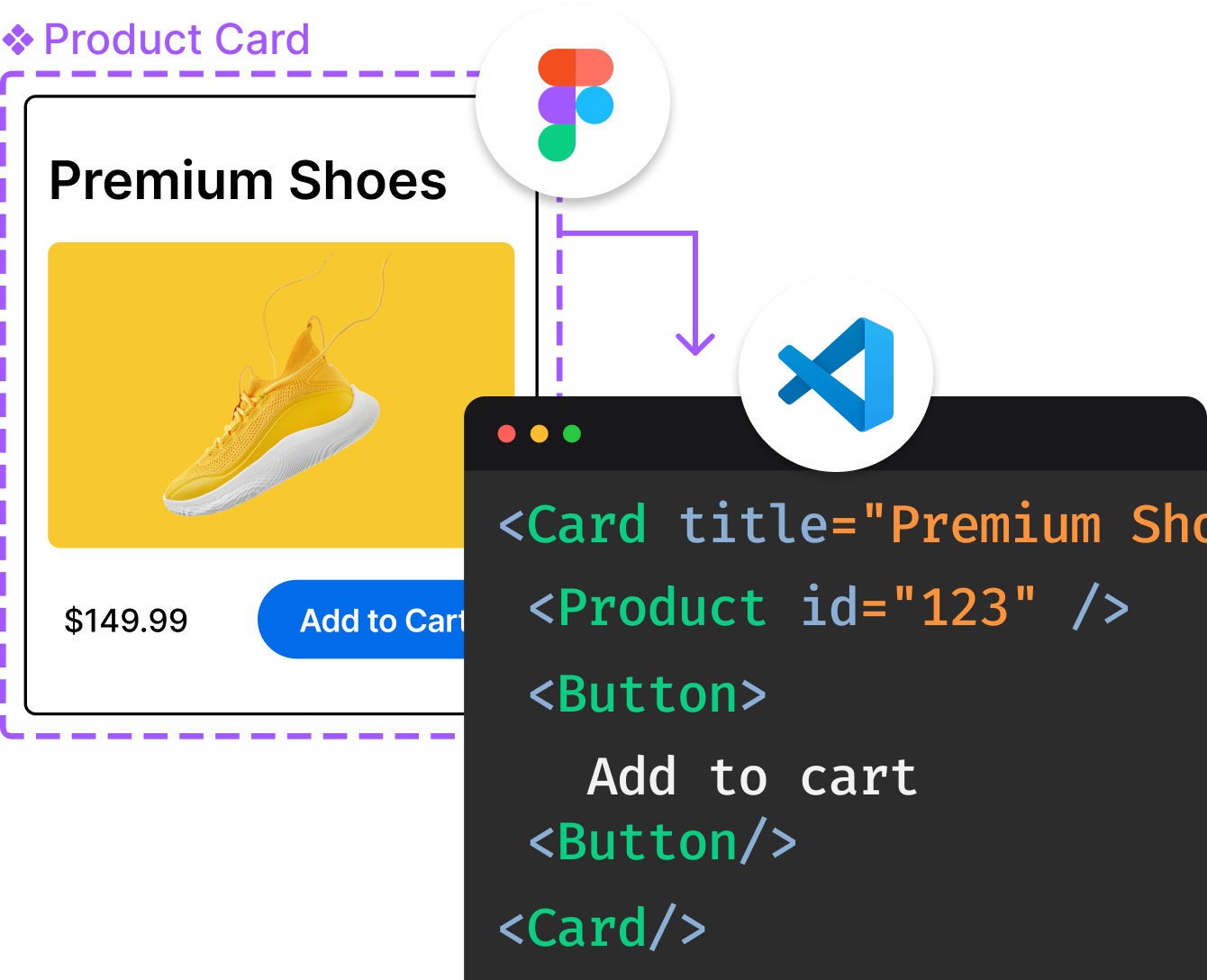
Introducing Visual Copilot: A new AI model to turn Figma designs to high quality code using your components.
Try Visual CopilotREADME





Build apps & admin panels fast, for your bright ideas.
With a solid Laravel foundation and a polished UI, you can focus on what makes your product unique. Filament gives you UI components that you won't outgrow â a cohesive set of well-considered building blocks that adapt as your application grows in complexity.
- Tables â Browse and filter large datasets with powerful columns, actions, and bulk operations.
- Forms â Build complex, reactive forms using a set of reusable, state-aware components.
- Infolists â Render read-only record views with structured layouts and custom formatting.
- Notifications â Trigger in-app feedback for actions, errors, and system events with minimal setup.
- Dashboard widgets â Surface key metrics and trends using live, data-driven widgets tailored to each user.
- Action modals â Handle confirmations and data entry with focused modal workflows tied to actions.
Get Started ⢠Launch Demo ⢠Join Discord
Contributing
Please see our contributing guide.
Need Help?
ð If you spot a bug, please submit a detailed issue, and wait for assistance.
ð¤ If you have a question or feature request, please start a new discussion. We also have a Discord community. For quick help, ask questions in the appropriate channel.
ð If you discover a vulnerability, please review our security policy.
Top Related Projects
A full-stack framework for Laravel that takes the pain out of building dynamic UIs.
Easy AdminLTE integration with Laravel
A dynamic table component for Laravel Livewire
Convert designs to code with AI
Introducing Visual Copilot: A new AI model to turn Figma designs to high quality code using your components.
Try Visual Copilot