
Top Related Projects

"The mother of all demo apps" — Exemplary fullstack Medium.com clone powered by React, Angular, Node, Django, and many more
Exemplary real world application built with React + Redux
Exemplary real world application built with Angular
An exemplary real-world application built with Vue.js, Vuex, axios and different other technologies. This is a good example to discover Vue for beginners.
Quick Overview
The gothinkster/node-express-realworld-example-app is a Node.js and Express-based implementation of the "RealWorld" backend API spec. It serves as a reference for building scalable and production-ready applications using Node.js and Express, following best practices and modern development patterns.
Pros
- Implements a comprehensive API spec, covering common real-world scenarios
- Uses popular and well-maintained technologies (Node.js, Express, MongoDB)
- Follows best practices for project structure and code organization
- Includes authentication, authorization, and data validation
Cons
- May be overwhelming for beginners due to its comprehensive nature
- Some dependencies might be outdated and require updates
- Limited documentation for advanced customization or extension
- Lacks built-in support for more modern features like GraphQL or WebSockets
Code Examples
- User registration:
router.post('/users', function(req, res, next) {
  var user = new User();

  user.username = req.body.user.username;
  user.email = req.body.user.email;
  user.setPassword(req.body.user.password);

  user.save().then(function(){
    return res.json({user: user.toAuthJSON()});
  }).catch(next);
});
- Authentication middleware:
function auth(req, res, next) {
  if (req.payload.id) {
    User.findById(req.payload.id).then(function(user){
      if(!user){ return res.sendStatus(401); }

      req.user = user;
      return next();
    }).catch(next);
  } else {
    return res.sendStatus(401);
  }
}
- Article creation:
router.post('/', auth, function(req, res, next) {
  User.findById(req.payload.id).then(function(user){
    if (!user) { return res.sendStatus(401); }

    var article = new Article(req.body.article);

    article.author = user;

    return article.save().then(function(){
      return res.json({article: article.toJSONFor(user)});
    });
  }).catch(next);
});
Getting Started
-
Clone the repository:
git clone https://github.com/gothinkster/node-express-realworld-example-app.git -
Install dependencies:
cd node-express-realworld-example-app npm install -
Set up environment variables:
cp .env.example .env -
Start the server:
npm start
The API will be available at http://localhost:3000/api.
Competitor Comparisons
"The mother of all demo apps" — Exemplary fullstack Medium.com clone powered by React, Angular, Node, Django, and many more
Error generating comparison
Exemplary real world application built with React + Redux
Pros of react-redux-realworld-example-app
- Provides a complete frontend implementation with React and Redux
- Offers a more interactive and responsive user interface
- Allows for efficient state management and data flow using Redux
Cons of react-redux-realworld-example-app
- Requires additional setup and configuration compared to the backend-only solution
- May have a steeper learning curve for developers new to React and Redux
- Potentially larger bundle size, which could affect initial load times
Code Comparison
node-express-realworld-example-app (Backend):
router.post('/users', function(req, res, next){
  var user = new User();

  user.username = req.body.user.username;
  user.email = req.body.user.email;
  user.setPassword(req.body.user.password);

  user.save().then(function(){
    return res.json({user: user.toAuthJSON()});
  }).catch(next);
});
react-redux-realworld-example-app (Frontend):
const mapStateToProps = state => ({
  ...state.auth,
});

const mapDispatchToProps = dispatch => ({
  onChangeEmail: value =>
    dispatch({ type: UPDATE_FIELD_AUTH, key: 'email', value }),
  onChangePassword: value =>
    dispatch({ type: UPDATE_FIELD_AUTH, key: 'password', value }),
  onSubmit: (email, password) =>
    dispatch({ type: LOGIN, payload: agent.Auth.login(email, password) }),
});
The backend code focuses on handling API requests and database operations, while the frontend code manages state and user interactions using React and Redux.
Exemplary real world application built with Angular
Error generating comparison
An exemplary real-world application built with Vue.js, Vuex, axios and different other technologies. This is a good example to discover Vue for beginners.
Error generating comparison
Convert  designs to code with AI
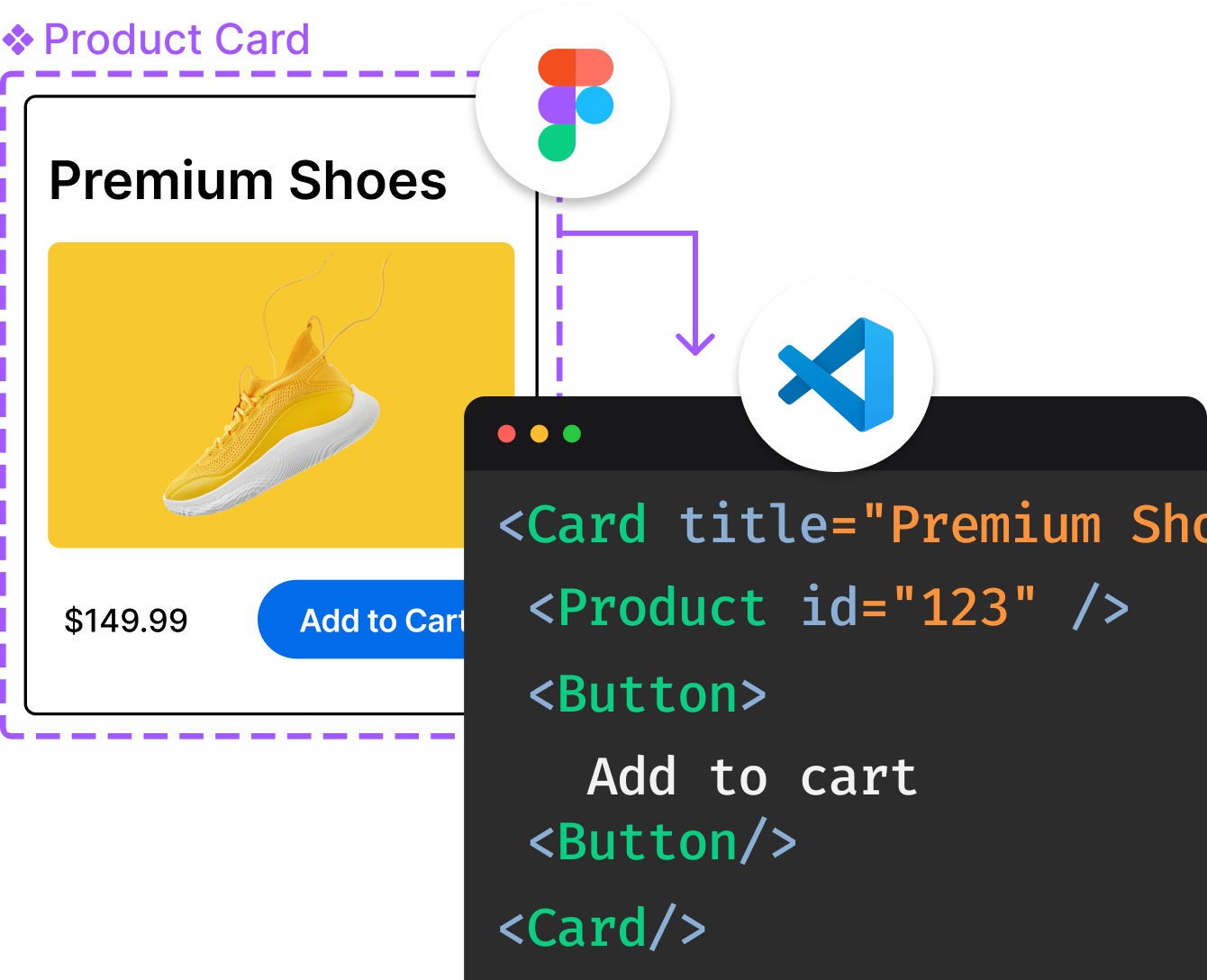
Introducing Visual Copilot: A new AI model to turn Figma designs to high quality code using your components.
Try Visual CopilotREADME


Example Node (Express + Prisma) codebase containing real world examples (CRUD, auth, advanced patterns, etc) that adheres to the RealWorld API spec.

Getting Started
Prerequisites
Run the following command to install dependencies:
npm install
Environment variables
This project depends on some environment variables.
If you are running this project locally, create a .env file at the root for these variables.
Your host provider should included a feature to set them there directly to avoid exposing them.
Here are the required ones:
DATABASE_URL=
JWT_SECRET=
NODE_ENV=production
Generate your Prisma client
Run the following command to generate the Prisma Client which will include types based on your database schema:
npx prisma generate
Apply any SQL migration script
Run the following command to create/update your database based on existing sql migration scripts:
npx prisma migrate deploy
Run the project
Run the following command to run the project:
npx nx serve api
Seed the database
The project includes a seed script to populate the database:
npx prisma db seed
Deploy on a remote server
Run the following command to:
- install dependencies
- apply any new migration sql scripts
- run the server
npm ci && npx prisma migrate deploy && node dist/api/main.js
Top Related Projects
"The mother of all demo apps" — Exemplary fullstack Medium.com clone powered by React, Angular, Node, Django, and many more
Exemplary real world application built with React + Redux
Exemplary real world application built with Angular
An exemplary real-world application built with Vue.js, Vuex, axios and different other technologies. This is a good example to discover Vue for beginners.
Convert designs to code with AI
Introducing Visual Copilot: A new AI model to turn Figma designs to high quality code using your components.
Try Visual Copilot