 YYImage
Image framework for iOS to display/encode/decode animated WebP, APNG, GIF, and more.
Top Related Projects

Asynchronous image downloader with cache support as a UIImageView category

A lightweight, pure-Swift library for downloading and caching images from the web.

AlamofireImage is an image component library for Alamofire

Promises for Swift & ObjC.

A delightful networking framework for iOS, macOS, watchOS, and tvOS.
Quick Overview
YYImage is a powerful image framework for iOS that supports animated WebP, APNG, and GIF formats. It provides high-performance image/GIF decoding, rendering, and encoding capabilities, making it an excellent choice for applications that require advanced image handling.
Pros
- Supports multiple animated image formats (WebP, APNG, GIF)
- High-performance decoding and rendering
- Provides both UIImage and CALayer extensions for easy integration
- Includes a custom image container format for better compression
Cons
- Limited to iOS platform
- May have a steeper learning curve compared to native iOS image handling
- Requires additional setup and integration steps
- Potential increase in app size due to additional libraries
Code Examples
- Loading and displaying an animated image:
YYImage *image = [YYImage imageNamed:@"animation.webp"];
YYAnimatedImageView *imageView = [[YYAnimatedImageView alloc] initWithImage:image];
[self.view addSubview:imageView];
- Creating an animated image from data:
NSData *data = [NSData dataWithContentsOfFile:@"animation.apng"];
YYImage *image = [YYImage imageWithData:data];
- Encoding an image to WebP format:
UIImage *image = [UIImage imageNamed:@"example.png"];
NSData *webpData = [YYImageEncoder encodeImage:image type:YYImageTypeWebP quality:0.8];
- Using YYImage with UIImageView:
UIImageView *imageView = [[UIImageView alloc] initWithFrame:CGRectMake(0, 0, 100, 100)];
imageView.yy_imageURL = [NSURL URLWithString:@"http://example.com/image.webp"];
[self.view addSubview:imageView];
Getting Started
- Add YYImage to your project using CocoaPods:
pod 'YYImage'
- Import YYImage in your source files:
#import <YYImage/YYImage.h>
- Use YYImage classes and methods in your code:
YYImage *image = [YYImage imageNamed:@"animation.gif"];
YYAnimatedImageView *imageView = [[YYAnimatedImageView alloc] initWithImage:image];
[self.view addSubview:imageView];
Competitor Comparisons
Asynchronous image downloader with cache support as a UIImageView category
Pros of SDWebImage
- More comprehensive image loading and caching solution
- Wider community support and active maintenance
- Extensive documentation and integration guides
Cons of SDWebImage
- Larger library size and potential overhead
- Steeper learning curve for basic implementations
Code Comparison
SDWebImage
[imageView sd_setImageWithURL:[NSURL URLWithString:@"http://example.com/image.jpg"]
             placeholderImage:[UIImage imageNamed:@"placeholder.png"]];
YYImage
[imageView yy_setImageWithURL:[NSURL URLWithString:@"http://example.com/image.jpg"]
             placeholder:[UIImage imageNamed:@"placeholder.png"]];
Key Differences
- SDWebImage offers more advanced features like progressive image loading and animated image support
- YYImage focuses on high-performance image rendering and decoding
- SDWebImage has a more extensive category system for UIImageView and other UI components
- YYImage provides better support for custom image formats and codecs
Use Cases
- SDWebImage: Ideal for projects requiring comprehensive image handling and caching
- YYImage: Better suited for applications with specific image format needs or performance-critical image rendering
Community and Support
SDWebImage has a larger user base and more frequent updates, while YYImage, though less actively maintained, still offers solid performance and specialized features.
A lightweight, pure-Swift library for downloading and caching images from the web.
Pros of Kingfisher
- More actively maintained with frequent updates and bug fixes
- Extensive documentation and community support
- Built-in support for image caching and memory management
Cons of Kingfisher
- Larger library size, which may impact app size
- Steeper learning curve for beginners due to more advanced features
Code Comparison
YYImage:
let imageView = YYAnimatedImageView()
imageView.yy_setImage(with: URL(string: "https://example.com/image.gif"))
Kingfisher:
let imageView = AnimatedImageView()
imageView.kf.setImage(with: URL(string: "https://example.com/image.gif"))
Key Differences
- YYImage focuses primarily on animated image handling, while Kingfisher offers a more comprehensive image loading and caching solution
- Kingfisher provides more advanced features like prefetching and image processing
- YYImage has a smaller footprint and may be more suitable for projects with simpler image loading requirements
Use Cases
- Choose YYImage for projects that primarily deal with animated images and require a lightweight solution
- Opt for Kingfisher when building apps that need robust image loading, caching, and processing capabilities
Both libraries offer efficient image handling for iOS applications, but Kingfisher provides a more feature-rich experience at the cost of increased complexity and library size.
AlamofireImage is an image component library for Alamofire
Pros of AlamofireImage
- Seamless integration with Alamofire networking library
- Built-in support for image caching and request prioritization
- Extensive image filtering and transformation capabilities
Cons of AlamofireImage
- Limited support for animated image formats (primarily focused on static images)
- Requires Alamofire as a dependency, which may not be ideal for all projects
- Less comprehensive support for various image formats compared to YYImage
Code Comparison
YYImage:
let image = YYImage(named: "animation.gif")
imageView.image = image
AlamofireImage:
let url = URL(string: "https://example.com/image.jpg")!
imageView.af.setImage(withURL: url)
Key Differences
- YYImage focuses on comprehensive image format support, including animated formats
- AlamofireImage is tailored for network image loading and processing
- YYImage provides more low-level control over image rendering and animation
- AlamofireImage offers better integration with network requests and caching
Both libraries have their strengths, with YYImage excelling in versatile image format support and AlamofireImage shining in network-based image loading and processing scenarios.
Promises for Swift & ObjC.
Pros of PromiseKit
- Simplifies asynchronous programming with a promise-based approach
- Extensive documentation and community support
- Supports multiple programming languages and platforms
Cons of PromiseKit
- Steeper learning curve for developers new to promise-based programming
- May introduce additional complexity for simple asynchronous tasks
- Potential performance overhead compared to traditional callback methods
Code Comparison
PromiseKit:
firstly {
    fetchUser()
}.then { user in
    fetchAvatar(user)
}.done { avatar in
    self.imageView.image = avatar
}.catch { error in
    print("Error: \(error)")
}
YYImage:
YYImage *image = [YYImage imageNamed:@"animation.gif"];
YYAnimatedImageView *imageView = [[YYAnimatedImageView alloc] initWithImage:image];
[self.view addSubview:imageView];
Summary
PromiseKit is a powerful library for managing asynchronous operations using promises, offering improved code readability and error handling. YYImage, on the other hand, focuses on image loading, caching, and animation, providing a simpler API for image-related tasks. While PromiseKit excels in complex asynchronous scenarios, YYImage offers more straightforward functionality for image manipulation and display.
A delightful networking framework for iOS, macOS, watchOS, and tvOS.
Pros of AFNetworking
- Comprehensive networking library for iOS and macOS
- Extensive documentation and community support
- Supports a wide range of networking tasks, including RESTful API interactions
Cons of AFNetworking
- Larger codebase and potentially higher memory footprint
- May be overkill for simple image loading tasks
- Less focused on image-specific optimizations
Code Comparison
YYImage (Image loading):
YYImage *image = [YYImage imageNamed:@"animation.gif"];
YYAnimatedImageView *imageView = [[YYAnimatedImageView alloc] initWithImage:image];
[self.view addSubview:imageView];
AFNetworking (Image downloading):
UIImageView *imageView = [[UIImageView alloc] initWithFrame:CGRectMake(0, 0, 100, 100)];
[imageView setImageWithURL:[NSURL URLWithString:@"http://example.com/image.jpg"]];
[self.view addSubview:imageView];
Summary
YYImage is specifically designed for efficient image loading and animation, particularly for formats like GIF. It offers optimized performance for image-related tasks. AFNetworking, on the other hand, is a more comprehensive networking library that includes image downloading capabilities among its many features. While AFNetworking provides a broader range of networking functionalities, YYImage may be more suitable for projects primarily focused on image handling and animation.
Convert  designs to code with AI
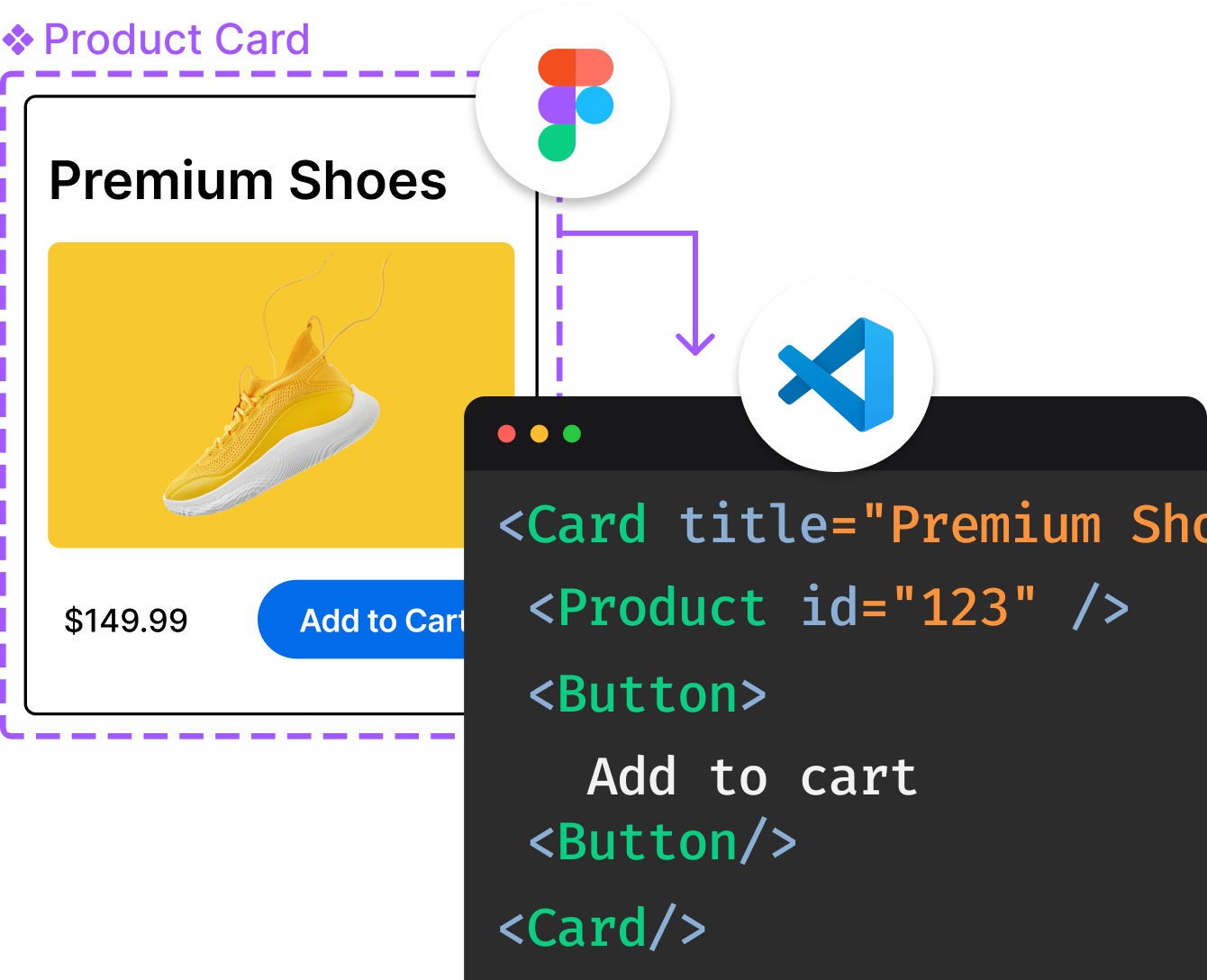
Introducing Visual Copilot: A new AI model to turn Figma designs to high quality code using your components.
Try Visual CopilotREADME
YYImage






Image framework for iOS to display/encode/decode animated WebP, APNG, GIF, and more.
(It's a component of YYKit)

Features
- Display/encode/decode animated image with these types:
WebP, APNG, GIF. - Display/encode/decode still image with these types:
WebP, PNG, GIF, JPEG, JP2, TIFF, BMP, ICO, ICNS. - Baseline/progressive/interlaced image decode with these types:
PNG, GIF, JPEG, BMP. - Display frame based image animation and sprite sheet animation.
- Dynamic memory buffer for lower memory usage.
- Fully compatible with UIImage and UIImageView class.
- Extendable protocol for custom image animation.
- Fully documented.
Usage
Display animated image
// File: ani@3x.gif
UIImage *image = [YYImage imageNamed:@"ani.gif"];
UIImageView *imageView = [[YYAnimatedImageView alloc] initWithImage:image];
[self.view addSubview:imageView];
Display frame animation
// Files: frame1.png, frame2.png, frame3.png
NSArray *paths = @[@"/ani/frame1.png", @"/ani/frame2.png", @"/ani/frame3.png"];
NSArray *times = @[@0.1, @0.2, @0.1];
UIImage *image = [YYFrameImage alloc] initWithImagePaths:paths frameDurations:times repeats:YES];
UIImageView *imageView = [YYAnimatedImageView alloc] initWithImage:image];
[self.view addSubview:imageView];
Display sprite sheet animation
// 8 * 12 sprites in a single sheet image
UIImage *spriteSheet = [UIImage imageNamed:@"sprite-sheet"];
NSMutableArray *contentRects = [NSMutableArray new];
NSMutableArray *durations = [NSMutableArray new];
for (int j = 0; j < 12; j++) {
   for (int i = 0; i < 8; i++) {
       CGRect rect;
       rect.size = CGSizeMake(img.size.width / 8, img.size.height / 12);
       rect.origin.x = img.size.width / 8 * i;
       rect.origin.y = img.size.height / 12 * j;
       [contentRects addObject:[NSValue valueWithCGRect:rect]];
       [durations addObject:@(1 / 60.0)];
   }
}
YYSpriteSheetImage *sprite;
sprite = [[YYSpriteSheetImage alloc] initWithSpriteSheetImage:img
                                                contentRects:contentRects
                                              frameDurations:durations
                                                   loopCount:0];
YYAnimatedImageView *imageView = [YYAnimatedImageView new];
imageView.size = CGSizeMake(img.size.width / 8, img.size.height / 12);
imageView.image = sprite;
[self.view addSubview:imageView];
Animation control
YYAnimatedImageView *imageView = ...;
// pause:
[imageView stopAnimating];
// play:
[imageView startAnimating];
// set frame index:
imageView.currentAnimatedImageIndex = 12;
// get current status
image.currentIsPlayingAnimation;
Image decoder
// Decode single frame:
NSData *data = [NSData dataWithContentsOfFile:@"/tmp/image.webp"];
YYImageDecoder *decoder = [YYImageDecoder decoderWithData:data scale:2.0];
UIImage image = [decoder frameAtIndex:0 decodeForDisplay:YES].image;

// Progressive:
NSMutableData *data = [NSMutableData new];
YYImageDecoder *decoder = [[YYImageDecoder alloc] initWithScale:2.0];
while(newDataArrived) {
   [data appendData:newData];
   [decoder updateData:data final:NO];
   if (decoder.frameCount > 0) {
       UIImage image = [decoder frameAtIndex:0 decodeForDisplay:YES].image;
       // progressive display...
   }
}
[decoder updateData:data final:YES];
UIImage image = [decoder frameAtIndex:0 decodeForDisplay:YES].image;
// final display...
Image encoder
// Encode still image:
YYImageEncoder *jpegEncoder = [[YYImageEncoder alloc] initWithType:YYImageTypeJPEG];
jpegEncoder.quality = 0.9;
[jpegEncoder addImage:image duration:0];
NSData jpegData = [jpegEncoder encode];

// Encode animated image:
YYImageEncoder *webpEncoder = [[YYImageEncoder alloc] initWithType:YYImageTypeWebP];
webpEncoder.loopCount = 5;
[webpEncoder addImage:image0 duration:0.1];
[webpEncoder addImage:image1 duration:0.15];
[webpEncoder addImage:image2 duration:0.2];
NSData webpData = [webpEncoder encode];
Image type detection
// Get image type from image data
YYImageType type = YYImageDetectType(data);
if (type == YYImageTypePNG) ...
Installation
CocoaPods
- Update cocoapods to the latest version.
- Add
pod 'YYImage'to your Podfile. - Run
pod installorpod update. - Import <YYImage/YYImage.h>.
- Notice: it doesn't include WebP subspec by default, if you want to support WebP format, you may add
pod 'YYImage/WebP'to your Podfile.
Carthage
- Add
github "ibireme/YYImage"to your Cartfile. - Run
carthage update --platform iosand add the framework to your project. - Import <YYImage/YYImage.h>.
- Notice: carthage framework doesn't include WebP component, if you want to support WebP format, use CocoaPods or install manually.
Manually
- Download all the files in the YYImage subdirectory.
- Add the source files to your Xcode project.
- Link with required frameworks:
- UIKit
- CoreFoundation
- QuartzCore
- AssetsLibrary
- ImageIO
- Accelerate
- MobileCoreServices
- libz
- Import
YYImage.h. - Notice: if you want to support WebP format, you may add
Vendor/WebP.framework(static library) to your Xcode project.
FAQ
Q: Why I can't display WebP image?
A: Make sure you added the WebP.framework in your project. You may call YYImageWebPAvailable() to check whether the WebP subspec is installed correctly.
Q: Why I can't play APNG animation?
A: You should disable the Compress PNG Files and Remove Text Metadata From PNG Files in your project's build settings. Or you can rename your APNG file's extension name with apng.
Documentation
Full API documentation is available on CocoaDocs.
You can also install documentation locally using appledoc.
Requirements
This library requires iOS 6.0+ and Xcode 8.0+.
License
YYImage is provided under the MIT license. See LICENSE file for details.
ä¸æä»ç»
YYImage: åè½å¼ºå¤§ç iOS å¾åæ¡æ¶ã
(该项ç®æ¯ YYKit ç»ä»¶ä¹ä¸)
ç¹æ§
- æ¯æ以ä¸ç±»åå¨ç»å¾åçææ¾/ç¼ç /解ç :
WebP, APNG, GIFã - æ¯æ以ä¸ç±»åéæå¾åçæ¾ç¤º/ç¼ç /解ç :
WebP, PNG, GIF, JPEG, JP2, TIFF, BMP, ICO, ICNSã - æ¯æ以ä¸ç±»åå¾ççæ¸è¿å¼/éè¡æ«æ/éè¡æ«æ解ç :
PNG, GIF, JPEG, BMPã - æ¯æå¤å¼ å¾çææç帧å¨ç»ææ¾ï¼æ¯æåå¼ å¾çç sprite sheet å¨ç»ã
- é«æçå¨æå åç¼å管çï¼ä»¥ä¿è¯é«æ§è½ä½å åçå¨ç»ææ¾ã
- å®å ¨å ¼å®¹ UIImage å UIImageViewï¼ä½¿ç¨æ¹ä¾¿ã
- ä¿çå¯æ©å±çæ¥å£ï¼ä»¥æ¯æèªå®ä¹å¨ç»ã
- æ¯ä¸ªç±»åæ¹æ³é½æå®åçæ档注éã
ç¨æ³
æ¾ç¤ºå¨ç»ç±»åçå¾ç
// æ件: ani@3x.gif
UIImage *image = [YYImage imageNamed:@"ani.gif"];
UIImageView *imageView = [[YYAnimatedImageView alloc] initWithImage:image];
[self.view addSubview:imageView];
ææ¾å¸§å¨ç»
// æ件: frame1.png, frame2.png, frame3.png
NSArray *paths = @[@"/ani/frame1.png", @"/ani/frame2.png", @"/ani/frame3.png"];
NSArray *times = @[@0.1, @0.2, @0.1];
UIImage *image = [YYFrameImage alloc] initWithImagePaths:paths frameDurations:times repeats:YES];
UIImageView *imageView = [YYAnimatedImageView alloc] initWithImage:image];
[self.view addSubview:imageView];
ææ¾ sprite sheet å¨ç»
// 8 * 12 sprites in a single sheet image
UIImage *spriteSheet = [UIImage imageNamed:@"sprite-sheet"];
NSMutableArray *contentRects = [NSMutableArray new];
NSMutableArray *durations = [NSMutableArray new];
for (int j = 0; j < 12; j++) {
   for (int i = 0; i < 8; i++) {
       CGRect rect;
       rect.size = CGSizeMake(img.size.width / 8, img.size.height / 12);
       rect.origin.x = img.size.width / 8 * i;
       rect.origin.y = img.size.height / 12 * j;
       [contentRects addObject:[NSValue valueWithCGRect:rect]];
       [durations addObject:@(1 / 60.0)];
   }
}
YYSpriteSheetImage *sprite;
sprite = [[YYSpriteSheetImage alloc] initWithSpriteSheetImage:img
                                                contentRects:contentRects
                                              frameDurations:durations
                                                   loopCount:0];
YYAnimatedImageView *imageView = [YYAnimatedImageView new];
imageView.size = CGSizeMake(img.size.width / 8, img.size.height / 12);
imageView.image = sprite;
[self.view addSubview:imageView];
å¨ç»ææ¾æ§å¶
YYAnimatedImageView *imageView = ...;
// æå:
[imageView stopAnimating];
// ææ¾:
[imageView startAnimating];
// 设置ææ¾è¿åº¦:
imageView.currentAnimatedImageIndex = 12;
// è·åææ¾ç¶æ:
image.currentIsPlayingAnimation;
//ä¸é¢ä¸¤ä¸ªå±æ§é½æ¯æ KVOã
å¾ç解ç
// 解ç å帧å¾ç:
NSData *data = [NSData dataWithContentsOfFile:@"/tmp/image.webp"];
YYImageDecoder *decoder = [YYImageDecoder decoderWithData:data scale:2.0];
UIImage image = [decoder frameAtIndex:0 decodeForDisplay:YES].image;
// æ¸è¿å¼å¾ç解ç (å¯ç¨äºå¾çä¸è½½æ¾ç¤º):
NSMutableData *data = [NSMutableData new];
YYImageDecoder *decoder = [[YYImageDecoder alloc] initWithScale:2.0];
while(newDataArrived) {
[data appendData:newData];
[decoder updateData:data final:NO];
if (decoder.frameCount > 0) {
UIImage image = [decoder frameAtIndex:0 decodeForDisplay:YES].image;
// progressive display...
}
}
[decoder updateData:data final:YES];
UIImage image = [decoder frameAtIndex:0 decodeForDisplay:YES].image;
// final display...
å¾çç¼ç
// ç¼ç éæå¾ (æ¯æåç§å¸¸è§å¾çæ ¼å¼):
YYImageEncoder *jpegEncoder = [[YYImageEncoder alloc] initWithType:YYImageTypeJPEG];
jpegEncoder.quality = 0.9;
[jpegEncoder addImage:image duration:0];
NSData jpegData = [jpegEncoder encode];
// ç¼ç å¨æå¾ (æ¯æ GIF/APNG/WebP):
YYImageEncoder *webpEncoder = [[YYImageEncoder alloc] initWithType:YYImageTypeWebP];
webpEncoder.loopCount = 5;
[webpEncoder addImage:image0 duration:0.1];
[webpEncoder addImage:image1 duration:0.15];
[webpEncoder addImage:image2 duration:0.2];
NSData webpData = [webpEncoder encode];
å¾çç±»åæ¢æµ
// è·åå¾çç±»å
YYImageType type = YYImageDetectType(data);
if (type == YYImageTypePNG) ...
å®è£
CocoaPods
- å° cocoapods æ´æ°è³ææ°çæ¬.
- å¨ Podfile ä¸æ·»å
pod 'YYImage'ã - æ§è¡
pod installæpod updateã - å¯¼å ¥ <YYImage/YYImage.h>ã
- 注æï¼pod é
置并没æå
å« WebP ç»ä»¶, å¦æä½ éè¦æ¯æ WebPï¼å¯ä»¥å¨ Podfile ä¸æ·»å
pod 'YYImage/WebP'ã
Carthage
- å¨ Cartfile ä¸æ·»å
github "ibireme/YYImage"ã - æ§è¡
carthage update --platform ios并å°çæç framework æ·»å å°ä½ çå·¥ç¨ã - å¯¼å ¥ <YYImage/YYImage.h>ã
- 注æï¼carthage framework 并没æå å« WebP ç»ä»¶ãå¦æä½ éè¦æ¯æ WebPï¼å¯ä»¥ç¨ CocoaPods å®è£ ï¼æè æå¨å®è£ ã
æå¨å®è£
- ä¸è½½ YYImage æ件夹å çææå 容ã
- å° YYImage å çæºæ件添å (ææ¾)å°ä½ çå·¥ç¨ã
- é¾æ¥ä»¥ä¸ frameworks:
- UIKit
- CoreFoundation
- QuartzCore
- AssetsLibrary
- ImageIO
- Accelerate
- MobileCoreServices
- libz
- 导å
¥
YYImage.hã - 注æï¼å¦æä½ éè¦æ¯æ WebPï¼å¯ä»¥å°
Vendor/WebP.framework(éæåº) å å ¥ä½ çå·¥ç¨ã
常è§é®é¢
Q: 为ä»ä¹æä¸è½æ¾ç¤º WebP å¾çï¼
A: ç¡®ä¿ WebP.framework å·²ç»è¢«æ·»å å°ä½ çå·¥ç¨å
äºãä½ å¯ä»¥è°ç¨ YYImageWebPAvailable() æ¥æ£æ¥ä¸ä¸ WebP ç»ä»¶æ¯å¦è¢«æ£ç¡®å®è£
ã
Q: 为ä»ä¹æä¸è½ææ¾ APNG å¨ç»ï¼
A: ä½ åºè¯¥ç¦ç¨ Build Settings ä¸ç Compress PNG Files å Remove Text Metadata From PNG Files. æè
ä½ ä¹å¯ä»¥æ APNG æ件çæ©å±åæ¹ä¸ºapng.
ææ¡£
ä½ å¯ä»¥å¨ CocoaDocs æ¥çå¨çº¿ API ææ¡£ï¼ä¹å¯ä»¥ç¨ appledoc æ¬å°çæææ¡£ã
ç³»ç»è¦æ±
该项ç®æä½æ¯æ iOS 6.0 å Xcode 8.0ã
许å¯è¯
YYImage ä½¿ç¨ MIT 许å¯è¯ï¼è¯¦æ è§ LICENSE æ件ã
ç¸å ³é¾æ¥
Top Related Projects
Asynchronous image downloader with cache support as a UIImageView category
A lightweight, pure-Swift library for downloading and caching images from the web.
AlamofireImage is an image component library for Alamofire
Promises for Swift & ObjC.
A delightful networking framework for iOS, macOS, watchOS, and tvOS.
Convert designs to code with AI
Introducing Visual Copilot: A new AI model to turn Figma designs to high quality code using your components.
Try Visual Copilot