 awesome-react-native
Awesome React Native components, news, tools, and learning material!
Top Related Projects

A framework for building native applications using React

Material Design for React Native (Android & iOS)

Cross-Platform React Native UI Toolkit

A complete native navigation solution for React Native

Infinite Red's battle-tested React Native project boilerplate, along with a CLI, component/model generators, and more! 9 years of continuous development and counting.

Customizable Icons for React Native with support for image source and full styling.
Quick Overview
The jondot/awesome-react-native repository is a curated list of awesome React Native components, libraries, and resources. It serves as a comprehensive guide for developers working with React Native, providing a wide range of tools, libraries, and best practices to help build high-quality mobile applications.
Pros
- Comprehensive Collection: The repository covers a vast array of React Native-related resources, including UI components, state management libraries, navigation solutions, and more, making it a one-stop-shop for React Native developers.
- Active Community: The project has a large and active community, with frequent updates and contributions from developers around the world, ensuring the content remains relevant and up-to-date.
- Organized Structure: The repository is well-organized, with clear categorization and tagging, making it easy for developers to quickly find the resources they need.
- Detailed Descriptions: Each entry in the repository includes a brief description, making it easier for developers to understand the purpose and functionality of the listed resources.
Cons
- Overwhelming Choices: The sheer number of resources listed in the repository can be overwhelming for new React Native developers, making it challenging to identify the most suitable tools for their specific needs.
- Varying Quality: While the repository aims to curate high-quality resources, the quality of the listed projects can vary, and some may not be actively maintained or well-documented.
- Outdated Information: As with any curated list, there is a risk of some resources becoming outdated or no longer relevant over time, requiring regular maintenance to ensure the information remains current.
- Subjective Curation: The selection of resources in the repository is inherently subjective, and developers may have different preferences or needs that are not fully represented in the list.
Code Examples
This repository is a curated list and does not contain any code examples. It is a reference guide for React Native developers to discover and explore various libraries, tools, and resources.
Getting Started
As this is a curated list and not a code library, there are no specific getting started instructions. However, developers can follow these general steps to make the most of the jondot/awesome-react-native repository:
- Browse the Repository: Explore the different categories and sections of the repository to get an overview of the available resources.
- Identify Your Needs: Determine the specific features, libraries, or tools you require for your React Native project.
- Explore Relevant Entries: Dive into the entries that match your requirements, read the descriptions, and investigate the provided links to learn more about the resources.
- Evaluate and Compare: Compare the listed resources, considering factors such as documentation, community support, and compatibility with your project's needs.
- Integrate and Experiment: Once you've identified the suitable resources, integrate them into your React Native project and experiment with their functionality.
- Contribute and Engage: If you find a resource that is not listed or have suggestions for improving the repository, consider submitting a pull request to contribute to the project.
Competitor Comparisons
A framework for building native applications using React
Error generating comparison
Material Design for React Native (Android & iOS)
Pros of react-native-paper
- Comprehensive UI component library specifically designed for React Native
- Follows Material Design guidelines, ensuring a consistent and modern look
- Actively maintained with regular updates and improvements
Cons of react-native-paper
- Limited to Material Design aesthetics, which may not suit all app styles
- Steeper learning curve for developers unfamiliar with Material Design principles
- May increase app bundle size due to the inclusion of many components
Code comparison
react-native-paper:
import { Button } from 'react-native-paper';

const MyComponent = () => (
  <Button mode="contained" onPress={() => console.log('Pressed')}>
    Press me
  </Button>
);
awesome-react-native:
// No direct code comparison available as awesome-react-native is a curated list,
// not a component library. It would typically link to various libraries or components.
Summary
react-native-paper is a comprehensive UI component library for React Native, following Material Design guidelines. It offers a wide range of ready-to-use components but is limited to Material Design aesthetics.
awesome-react-native, on the other hand, is a curated list of resources, libraries, and tools for React Native development. It provides a broader overview of the React Native ecosystem but doesn't offer components directly.
Developers should choose based on their specific needs: react-native-paper for a complete Material Design UI kit, or awesome-react-native for discovering various tools and libraries in the React Native ecosystem.
Cross-Platform React Native UI Toolkit
Pros of React Native Elements
- Provides a comprehensive set of pre-built UI components
- Offers consistent styling and theming across components
- Regularly updated and maintained by an active community
Cons of React Native Elements
- Limited flexibility for highly customized designs
- Larger bundle size due to inclusion of all components
- Learning curve for customizing components beyond basic props
Code Comparison
React Native Elements:
import { Button } from 'react-native-elements';

<Button
  title="Click me"
  buttonStyle={{ backgroundColor: 'blue' }}
  onPress={() => console.log('Button pressed')}
/>
Awesome React Native (using a typical button component):
import { TouchableOpacity, Text } from 'react-native';

<TouchableOpacity
  style={{ backgroundColor: 'blue', padding: 10 }}
  onPress={() => console.log('Button pressed')}
>
  <Text style={{ color: 'white' }}>Click me</Text>
</TouchableOpacity>
React Native Elements provides a more streamlined approach with pre-styled components, while Awesome React Native offers a curated list of resources and libraries, allowing for more flexibility but requiring additional setup and customization.
A complete native navigation solution for React Native
Pros of react-native-navigation
- Dedicated navigation solution with native performance
- Extensive customization options for navigation UI
- Strong community support and regular updates
Cons of react-native-navigation
- Steeper learning curve compared to curated list approach
- Focused solely on navigation, lacking broader React Native ecosystem coverage
- May require additional setup and configuration
Code Comparison
react-native-navigation:
Navigation.setRoot({
  root: {
    stack: {
      children: [
        {
          component: {
            name: 'Home'
          }
        }
      ]
    }
  }
});
awesome-react-native (using react-navigation):
import { NavigationContainer } from '@react-navigation/native';
import { createStackNavigator } from '@react-navigation/stack';

const Stack = createStackNavigator();

function App() {
  return (
    <NavigationContainer>
      <Stack.Navigator>
        <Stack.Screen name="Home" component={HomeScreen} />
      </Stack.Navigator>
    </NavigationContainer>
  );
}
Summary
react-native-navigation is a specialized navigation library offering native performance and extensive customization. awesome-react-native, on the other hand, is a curated list of React Native resources, including various navigation solutions. While react-native-navigation provides a more focused and optimized navigation experience, awesome-react-native offers a broader overview of the React Native ecosystem, allowing developers to choose from multiple navigation options and other related tools.
Infinite Red's battle-tested React Native project boilerplate, along with a CLI, component/model generators, and more! 9 years of continuous development and counting.
Pros of Ignite
- Provides a complete boilerplate and CLI tool for React Native projects
- Includes pre-configured best practices and common libraries
- Offers a standardized project structure and development workflow
Cons of Ignite
- Less flexibility compared to choosing individual components
- Steeper learning curve for developers new to the Ignite ecosystem
- May include unnecessary dependencies for simpler projects
Code Comparison
Ignite (project setup):
npx ignite-cli new MyAwesomeApp
cd MyAwesomeApp
npx react-native run-ios # or run-android
Awesome React Native (manual setup):
npx react-native init MyAwesomeApp
cd MyAwesomeApp
# Manually add desired libraries and configurations
npx react-native run-ios # or run-android
Key Differences
- Awesome React Native is a curated list of resources, while Ignite is a project generator and boilerplate
- Awesome React Native offers more flexibility in choosing individual components and libraries
- Ignite provides a more opinionated and structured approach to React Native development
Use Cases
- Awesome React Native: Ideal for developers who want to explore various options and customize their stack
- Ignite: Best for teams looking for a standardized, pre-configured React Native development environment
Community and Maintenance
- Both projects have active communities and are well-maintained
- Awesome React Native has more stars and contributors due to its nature as a curated list
- Ignite has regular releases and updates to its boilerplate and included libraries
Customizable Icons for React Native with support for image source and full styling.
Pros of react-native-vector-icons
- Focused specifically on providing vector icons for React Native projects
- Offers a wide variety of icon sets out of the box
- Provides an easy-to-use API for implementing icons in React Native apps
Cons of react-native-vector-icons
- Limited in scope compared to the broader resource collection in awesome-react-native
- May require additional setup and configuration for some projects
- Doesn't cover other aspects of React Native development beyond icons
Code Comparison
react-native-vector-icons:
import Icon from 'react-native-vector-icons/FontAwesome';

const MyComponent = () => (
  <Icon name="rocket" size={30} color="#900" />
);
awesome-react-native: This repository doesn't provide direct code examples but instead offers links to various React Native resources, including icon libraries. A typical usage might involve exploring the list and choosing appropriate tools:
// No direct code example available
// Users would typically browse the curated list and select relevant resources
Summary
react-native-vector-icons is a specialized library for adding vector icons to React Native projects, offering a straightforward API and multiple icon sets. awesome-react-native, on the other hand, is a comprehensive collection of React Native resources, covering a wide range of topics beyond just icons. While react-native-vector-icons provides immediate value for icon implementation, awesome-react-native serves as a broader reference for various aspects of React Native development.
Convert  designs to code with AI
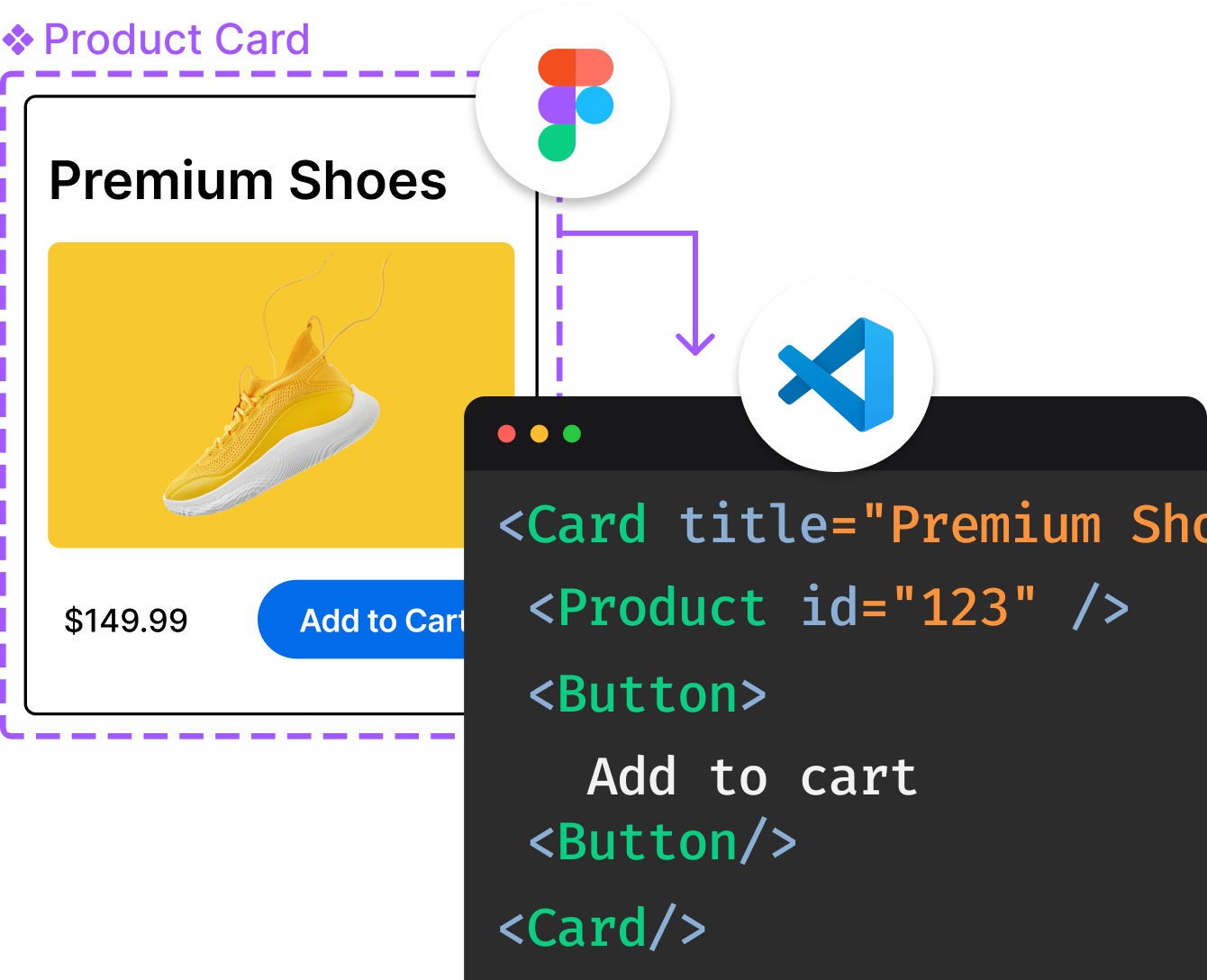
Introducing Visual Copilot: A new AI model to turn Figma designs to high quality code using your components.
Try Visual CopilotREADME


Awesome React Native is a curated list of the best libraries, tools, and learning resources for building React Native apps today. Every entry is checked for maintenance and relevance â if it's here, it works with modern React Native. PRs are welcome, see contributing.
Contents
- Getting Started
- AI-Assisted Development
- Components
- Data
- Services & Integrations
- Payments & Monetization
- Development Tools
- Starters & Boilerplates
- Open Source Apps
- Learning
- Staying Up to Date
Getting Started
- React Native - Official documentation, including environment setup, guides, and API reference.
- Expo - The recommended framework for building React Native apps: file-based routing, native modules, builds, and updates out of the box.
- React Native Directory - Searchable, filterable directory of React Native libraries with maintenance and New Architecture compatibility signals.
- Upgrade Helper - Web tool that shows the exact diff between two React Native versions for painless upgrades.
- rn-diff-purge - The raw version-to-version diffs powering Upgrade Helper.
- Expo Examples - Example projects demonstrating Expo APIs and integrations.
AI-Assisted Development
Tools for building React Native apps with AI agents, and for putting AI inside your apps.
Agents & Skills
- Expo AI Agents Guide - Expo's official documentation for AI-native development: agent setup, llms.txt, and best practices.
- Claude Code + Expo - Official guide for building, debugging, and deploying Expo apps with Claude Code.
- Expo Skills - Agent skills that give coding agents Expo-specific knowledge and best practices.
- Agent Skills - Anthropic's public repository of agent skills, usable with Claude Code and other agents.
MCP Servers
- Expo MCP - Expo-hosted MCP server: EAS logs, documentation search, and deployment workflows from any MCP-capable agent.
- mobile-mcp - MCP server for mobile automation on iOS, Android, emulators, simulators, and real devices.
- ios-simulator-mcp - MCP server for driving the iOS simulator: interact with UI, take screenshots, inspect the view hierarchy.
- Maestro - E2E testing framework with a built-in MCP server, letting agents run flows and control devices.
On-Device AI
- react-native-executorch - Declarative on-device AI inference powered by ExecuTorch, from Software Mansion.
- llama.rn - React Native binding of llama.cpp for running LLMs on device.
- react-native-fast-tflite - High-performance TensorFlow Lite inference with GPU acceleration.
- AI SDK - The AI toolkit for TypeScript; works in Expo and React Native apps for chat, streaming, and tool use.
AI App Builders
- a0.dev - Generates complete React Native apps from a prompt and ships them to the app stores.
- Rork - AI app builder that generates Expo/React Native projects compiling to native iOS, Android, and web.
Components
UI
- react-native-paper - Material Design components for Android and iOS.
- React Native Elements - Cross-platform UI toolkit with themed, composable components.
- Tamagui - Universal UI kit and style system with an optimizing compiler, 100% parity between React Native and web.
- gluestack-ui - Copy-paste components and patterns built on Tailwind-style utility classes.
- react-native-ui-kitten - UI library based on the Eva Design System with theming support.
- NativeBase - Mobile-first, accessible component library for React Native and web.
- Shoutem UI - Customizable set of styled components for React Native.
- react-native-vector-icons - Customizable icon sets with support for styling and image sources.
- lottie-react-native - Render After Effects animations natively.
- react-native-svg - SVG rendering for React Native and web.
- react-native-svg-transformer - Import SVG files as components, like on the web.
- react-native-modal - Enhanced, animated, customizable modal.
- react-native-blur - Native blur view component.
- react-native-blurhash - Colorful blurry placeholders while content loads.
- react-native-calendars - Feature-rich calendar components.
- react-native-date-picker - Native date and time picker for Android and iOS.
- react-native-reanimated-carousel - Swiper/carousel built entirely on Reanimated, the successor to snap-carousel.
- react-native-pager-view - Native ViewPager and UIPageViewController wrapper.
- react-native-copilot - Step-by-step walkthrough tooltips for onboarding.
- react-native-super-grid - Responsive grid view.
- react-native-circular-progress - Animated circular progress indicators.
- react-native-progress-steps - Customizable progress stepper.
- react-native-confirmation-code-field - OTP/confirmation code input for iOS, Android, and web.
- react-native-qrcode-svg - QR code generator based on react-native-svg.
- react-native-country-picker-modal - Country picker with flags, search, and localization.
- react-native-hole-view - Cut touch-through holes anywhere, perfect for onboarding highlights.
Lists
- FlashList - Shopify's fast and performant list, a drop-in replacement for FlatList.
- Legend List - High-performance list in pure JS, built for the New Architecture.
- recyclerlistview - The recycling listview that pioneered high-performance lists in React Native.
Navigation
- React Navigation - The standard routing and navigation library for React Native.
- Expo Router - File-based routing for universal React Native apps, built on React Navigation.
- react-native-navigation - Wix's fully native navigation solution.
- react-native-screens - Native navigation primitives that back React Navigation's native stack.
- react-native-bottom-tabs - Truly native bottom tab bars (SwiftUI and Material) for React Native.
Sheets, Menus & Toasts
- react-native-bottom-sheet - Performant, interactive bottom sheet with configurable gestures.
- react-native-true-sheet - The true native bottom sheet experience.
- react-native-actions-sheet - Cross-platform ActionSheet with a flexible API.
- Zeego - Menus for React Native done right â truly native dropdown and context menus.
- Burnt - Native toasts and alerts for iOS and Android.
- react-native-root-toast - Pure JavaScript toast solution.
- react-native-flash-message - Flashbar and top-notification alerts.
- react-native-notifier - Fast and simple in-app notifications.
- react-native-popup-menu - Extensible popup menu component.
Forms & Keyboard
- React Hook Form - Performant form state management and validation for React and React Native.
- Formik - Build forms without the tears.
- react-native-keyboard-controller - Keyboard manager that works identically on iOS and Android.
- react-native-picker-select - Picker emulating the native select interface.
- react-native-autocomplete-input - Pure JavaScript autocomplete input.
- react-native-masked-text - Masked text and input components.
- react-native-credit-card-input - Cross-platform credit card input.
- react-native-multiple-select - Simple multi-select component.
Text & Rich Content
- react-native-live-markdown - Drop-in TextInput replacement with live Markdown formatting, by Expensify.
- react-native-markdown-display - 100% CommonMark-compatible Markdown renderer.
- react-native-hyperlink - Make URLs, emails, and fuzzy links clickable.
- react-native-html-to-pdf - Convert HTML strings to PDF documents.
- react-native-responsive-fontsize - Responsive font sizes based on device screen size.
Image & Camera
- react-native-vision-camera - Powerful, high-performance camera library with frame processors.
- expo-image - Fast, modern image component with caching and blurhash support.
- react-native-image-picker - Native UI for selecting photos and videos.
- react-native-image-crop-picker - Image picker with camera, cropping, and compression.
- react-native-camera-kit - High-performance camera library with barcode scanning, by Tesla.
- react-native-image-resizer - Resize local images natively.
Video & Audio
- react-native-video - The Video component for React Native.
- expo-video - Modern video playback built for Expo and the New Architecture.
- react-native-track-player - Full-featured audio player: background playback, Android Auto, CarPlay, lock-screen controls.
- react-native-audio-api - High-performance audio engine implementing the Web Audio API.
- react-native-sound - Play sound clips natively.
- react-native-webrtc - WebRTC for React Native.
Maps & Location
- react-native-maps - MapView components for iOS and Android.
- rnmapbox/maps - Mapbox maps for custom map experiences.
- react-native-background-geolocation - Battery-conscious background location with motion detection.
- react-native-map-link - Open the user's preferred maps app.
- react-native-google-places-autocomplete - Customizable Google Places autocomplete.
Charts
- victory-native-xl - Charting built on Skia and Reanimated with a focus on performance.
- react-native-graph - Beautiful, high-performance line graphs built with Skia.
- react-native-gifted-charts - Bar, line, area, pie, donut, and stacked charts.
Animation & Gestures
- react-native-reanimated - The standard for performant animations, running on the UI thread.
- react-native-gesture-handler - Declarative, native-driven gesture system.
- react-native-skia - High-performance 2D graphics with the Skia rendering engine.
- Moti - Universal animation library powered by Reanimated, with a Framer Motion-like API.
- react-native-animatable - Declarative transitions and standard animations.
- TypeGPU - Type-safe WebGPU toolkit for advanced GPU work.
Styling & Design Systems
- NativeWind - Tailwind CSS for React Native.
- Unistyles - C++-powered StyleSheet superset with themes and breakpoints, built for the New Architecture.
- styled-components - CSS-in-JS styling that also targets React Native.
- Emotion - High-performance CSS-in-JS style composition.
- react-native-typography - Pixel-perfect, native-looking typographic styles.
- Stacks - Layout primitives for building consistent UIs.
- react-native-edge-to-edge - Effortless edge-to-edge display on Android.
- react-native-safe-area-context - Flexible safe area inset handling.
Internationalization
- react-native-localize - Toolbox for app localization: locales, timezones, currencies.
System & Device
- react-native-device-info - Device information for iOS and Android.
- react-native-permissions - Unified permissions API.
- react-native-keychain - Secure keychain and keystore access.
- react-native-config - Expose environment config to your JS and native code.
- react-native-contacts - Native contacts access.
- react-native-calendar-events - Calendar event access for iOS and Android.
- react-native-share - Native share sheet and social sharing.
- react-native-haptic-feedback - Haptics that feel right, including Core Haptics patterns.
- react-native-sensors - Developer-friendly access to device sensors.
- react-native-background-fetch - Periodic background callbacks on iOS and Android.
- react-native-background-downloader - Download and upload large files, even when the app is backgrounded.
- document-picker - Document picker and viewer.
- expo-quick-actions - Home screen quick actions and custom app icons.
- react-native-ssl-pinning - SSL pinning and cookie handling.
Notifications
- Expo Notifications - Push and local notifications for Expo apps.
- react-native-firebase - Includes FCM messaging alongside the full Firebase suite.
- react-native-notifications - Wix's notification handling library.
- react-native-onesignal - OneSignal push notification SDK.
Web & WebViews
- react-native-webview - The community WebView component.
- react-native-inappbrowser - In-app browser using Chrome Custom Tabs and SFSafariViewController.
- react-native-web - Run React Native components and APIs on the web.
- Solito - React Native + Next.js, unified navigation for universal apps.
Other Platforms
- react-native-windows - Build native Windows apps with React.
- react-native-macos - Build native macOS apps with React.
Data
State Management
- Zustand - Bear necessities for state management.
- Jotai - Primitive and flexible atomic state.
- Redux Toolkit - The official, batteries-included Redux toolset.
- Legend State - Super fast state with fine-grained reactivity and built-in sync.
Storage & Databases
- react-native-mmkv - The fastest key/value storage for React Native, ~30x faster than AsyncStorage.
- AsyncStorage - Simple, asynchronous, persistent key-value storage.
- op-sqlite - The fastest SQLite library for React Native.
- expo-sqlite - SQLite database access in Expo, with support for Drizzle ORM.
- Drizzle ORM - TypeScript ORM with first-class Expo/React Native SQLite support.
- WatermelonDB - Reactive and asynchronous database for powerful apps that scale.
- RxDB - Local-first, reactive database that replicates with your backend.
- Realm - Mobile object database, an alternative to SQLite.
Networking
- TanStack Query - Powerful async state management and data fetching.
- apisauce - Axios with standardized errors and request/response transforms.
- react-native-netinfo - Network state and connectivity info.
- react-native-network-logger - In-app HTTP request monitor.
- react-native-quick-crypto - Fast native implementation of Node's crypto module.
Services & Integrations
- react-native-firebase - Well-tested, feature-rich modular Firebase implementation.
- sentry-react-native - Official Sentry SDK for crash reporting and performance monitoring.
- react-native-app-auth - PKCE-compliant OAuth2 client based on AppAuth.
- google-signin - Google Sign-In for React Native.
Payments & Monetization
- stripe-react-native - Official Stripe SDK for payments in React Native.
- react-native-purchases - RevenueCat SDK for in-app purchases and subscriptions.
Development Tools
Tooling & IDE
- Radon IDE - VSCode/Cursor extension that turns your editor into a full-featured React Native IDE with an embedded simulator.
- EAS CLI - Build, submit, and update iOS and Android apps from the command line.
- react-native-rename - Rename a React Native app with one command.
- react-native-bundle-visualizer - See which packages inflate your bundle size.
- Re.Pack - Webpack/Rspack-based toolkit with code splitting and Module Federation for React Native.
Debugging
- Reactotron - Desktop app for inspecting React Native apps: state, API requests, performance.
- Buoy - Devtools that live in your app â and answer to your AI agent.
Testing
- Maestro - Painless declarative E2E automation for mobile.
- Detox - Gray-box end-to-end testing and automation framework.
- React Native Testing Library - Testing utilities that encourage good practices.
- Loki - Visual regression testing for Storybook.
Builds, Deployment & OTA Updates
- EAS - Expo Application Services: cloud builds, app store submission, and OTA updates.
- hot-updater - Self-hostable OTA update solution, a CodePush alternative.
- Fastlane - Automate building, screenshots, and releasing for iOS and Android.
Building Libraries
- create-react-native-library - Scaffold and build React Native libraries for distribution.
- Nitro Modules - Insanely fast native C++, Swift, or Kotlin modules with statically compiled bindings.
Starters & Boilerplates
- Ignite - Infinite Red's battle-tested boilerplate with CLI and generators.
- react-native-boilerplate - TheCodingMachine's template for solid, scalable applications.
- Expo Templates - Official Expo templates, from blank to tabs to full navigation setups.
Open Source Apps
Production apps you can learn from.
- Bluesky - The Bluesky social app for web, iOS, and Android.
- Expensify - New Expensify: financial collaboration, chat-centered.
- Joplin - Privacy-focused note-taking app with sync, on every platform.
- Mattermost - Mattermost's mobile apps.
- Rocket.Chat - Rocket.Chat's mobile client.
- Artsy - The art world in your pocket.
- YouTrack Mobile - JetBrains' YouTrack client for iOS and Android.
Learning
- React Native Docs - The official guides, always the right place to start.
- Expo Tutorial - Official hands-on tutorial building a universal app.
- React Native Express - Guided walkthrough of the React Native ecosystem.
- Start React Native - William Candillon's in-depth course on gestures and animations.
- Can it be done in React Native? - William Candillon's YouTube series rebuilding famous UIs.
Staying Up to Date
- This Week In React - Weekly newsletter covering React and React Native.
- React Native Newsletter - Occasional newsletter of React Native news and articles.
- React Native Radio - The long-running React Native podcast, by Infinite Red.
- Chain React - The US React Native conference, Portland, OR.
- App.js Conf - Expo and React Native conference, Kraków, Poland.
- React Universe Conf - Callstack's conference (formerly React Native EU), WrocÅaw, Poland.
Contributing
Contributions are welcome! Please read the contribution guidelines first: entries should be actively maintained, work with current React Native, and be genuinely useful to most developers.
Many thanks to everyone on the contributor list :)
Top Related Projects
A framework for building native applications using React
Material Design for React Native (Android & iOS)
Cross-Platform React Native UI Toolkit
A complete native navigation solution for React Native
Infinite Red's battle-tested React Native project boilerplate, along with a CLI, component/model generators, and more! 9 years of continuous development and counting.
Customizable Icons for React Native with support for image source and full styling.
Convert designs to code with AI
Introducing Visual Copilot: A new AI model to turn Figma designs to high quality code using your components.
Try Visual Copilot