
Top Related Projects

Mirror of https://git.ffmpeg.org/ffmpeg.git

GStreamer open-source multimedia framework

OpenShot Video Library (libopenshot) is a free, open-source project dedicated to delivering high quality video editing, animation, and playback solutions to the world. API currently supports C++, Python, and Ruby.

Free and open source video editor, based on MLT Framework and KDE Frameworks
Quick Overview
MLT (Media Lovin' Toolkit) is an open-source multimedia framework designed for television broadcasting. It provides a toolkit for broadcasters, video editors, media players, transcoders, web streamers, and other types of media handling applications. MLT is flexible and supports a wide range of formats, making it suitable for various multimedia projects.
Pros
- Supports a wide range of audio and video formats
- Highly modular and extensible architecture
- Cross-platform compatibility (Linux, macOS, Windows)
- Integrates well with other multimedia tools and libraries
Cons
- Steep learning curve for beginners
- Documentation can be sparse or outdated in some areas
- Limited community support compared to some other multimedia frameworks
- Performance may not be optimal for high-end professional use cases
Code Examples
- Loading and playing a video file:
#include <mlt/framework/mlt_factory.h>
#include <mlt/framework/mlt_consumer.h>

int main() {
    mlt_profile profile = mlt_profile_init(NULL);
    mlt_producer producer = mlt_factory_producer(profile, NULL, "video.mp4");
    mlt_consumer consumer = mlt_factory_consumer(profile, "sdl", NULL);

    mlt_consumer_connect(consumer, mlt_producer_service(producer));
    mlt_consumer_start(consumer);
    mlt_consumer_wait_for_completed(consumer);

    mlt_consumer_close(consumer);
    mlt_producer_close(producer);
    mlt_profile_close(profile);
    return 0;
}
- Applying a filter to a video:
#include <mlt/framework/mlt_factory.h>
#include <mlt/framework/mlt_filter.h>

int main() {
    mlt_profile profile = mlt_profile_init(NULL);
    mlt_producer producer = mlt_factory_producer(profile, NULL, "video.mp4");
    mlt_filter filter = mlt_factory_filter(profile, "greyscale", NULL);

    mlt_producer_attach(producer, filter);

    // Further processing...

    mlt_filter_close(filter);
    mlt_producer_close(producer);
    mlt_profile_close(profile);
    return 0;
}
- Creating a simple transition between two videos:
#include <mlt/framework/mlt_factory.h>
#include <mlt/framework/mlt_playlist.h>
#include <mlt/framework/mlt_transition.h>

int main() {
    mlt_profile profile = mlt_profile_init(NULL);
    mlt_playlist playlist = mlt_playlist_init();
    mlt_producer video1 = mlt_factory_producer(profile, NULL, "video1.mp4");
    mlt_producer video2 = mlt_factory_producer(profile, NULL, "video2.mp4");
    mlt_transition transition = mlt_factory_transition(profile, "luma", NULL);

    mlt_playlist_append(playlist, video1);
    mlt_playlist_append(playlist, video2);
    mlt_playlist_mix(playlist, 1, 25, transition);

    // Further processing...

    mlt_transition_close(transition);
    mlt_producer_close(video2);
    mlt_producer_close(video1);
    mlt_playlist_close(playlist);
    mlt_profile_close(profile);
    return 0;
}
Getting Started
To get started with MLT:
-
Install MLT and its dependencies:
sudo apt-get install libmlt-dev melt -
Include the necessary headers in your C/C++ project:
#include <mlt/framework/mlt_factory.h> #include <mlt/framework/mlt_producer.h> #include <mlt/framework/mlt_consumer.h> -
Compile
Competitor Comparisons
Mirror of https://git.ffmpeg.org/ffmpeg.git
Pros of FFmpeg
- Broader functionality and support for a wider range of multimedia formats
- Larger community and more extensive documentation
- More frequent updates and active development
Cons of FFmpeg
- Steeper learning curve for beginners
- More complex command-line interface
- Larger codebase, which can be overwhelming for some users
Code Comparison
FFmpeg example:
ffmpeg -i input.mp4 -vf scale=1280:720 -c:a copy output.mp4
MLT example:
melt input.mp4 -filter scale width=1280 height=720 -consumer avformat:output.mp4
Both examples demonstrate resizing a video to 720p resolution. FFmpeg uses a more concise syntax, while MLT employs a more verbose approach with separate filter and consumer options.
FFmpeg is a comprehensive multimedia framework with extensive capabilities for handling various audio and video tasks. It offers a powerful command-line interface and supports a wide range of formats and codecs. MLT, on the other hand, is a multimedia framework focused on video editing and production. It provides a simpler interface and is often used as a backend for video editing applications.
While FFmpeg excels in versatility and performance, MLT offers a more straightforward approach for specific video editing tasks. The choice between the two depends on the project requirements and the user's familiarity with each tool.
GStreamer open-source multimedia framework
Pros of GStreamer
- Extensive plugin ecosystem with support for a wide range of multimedia formats and protocols
- Strong community support and active development
- Flexible pipeline architecture allowing complex multimedia processing
Cons of GStreamer
- Steeper learning curve due to its complexity and extensive API
- Can be resource-intensive for simple tasks
- Debugging pipelines can be challenging for beginners
Code Comparison
MLT example:
producer = mlt.Producer(profile, "video.mp4")
consumer = mlt.Consumer(profile, "avformat", "output.mp4")
tractor = mlt.Tractor()
tractor.track(producer)
consumer.connect(tractor)
consumer.start()
GStreamer example:
pipeline = Gst.parse_launch("filesrc location=video.mp4 ! decodebin ! videoconvert ! x264enc ! mp4mux ! filesink location=output.mp4")
pipeline.set_state(Gst.State.PLAYING)
Both MLT and GStreamer are powerful multimedia frameworks, but they cater to different use cases. MLT is more focused on video editing and compositing, while GStreamer offers a broader range of multimedia processing capabilities. MLT's API is generally simpler and more intuitive for video editing tasks, whereas GStreamer provides more flexibility and extensibility for complex multimedia applications.
OpenShot Video Library (libopenshot) is a free, open-source project dedicated to delivering high quality video editing, animation, and playback solutions to the world. API currently supports C++, Python, and Ruby.
Pros of libopenshot
- More modern C++ codebase with better object-oriented design
- Extensive Python bindings for easier integration with Python projects
- Built-in support for more video effects and transitions
Cons of libopenshot
- Smaller community and less widespread adoption compared to MLT
- Fewer supported input/output formats
- Less mature and potentially less stable than MLT
Code Comparison
MLT (C):
mlt_producer producer = mlt_factory_producer(profile, "avformat", filename);
mlt_playlist playlist = mlt_playlist_new();
mlt_playlist_append(playlist, producer);
libopenshot (C++):
auto reader = std::make_shared<FFmpegReader>(filename);
auto clip = std::make_shared<Clip>(reader);
Timeline timeline(1280, 720, Fraction(24, 1));
timeline.AddClip(clip);
Both libraries provide APIs for loading media, creating timelines, and manipulating video content. MLT uses a more procedural approach with C-style functions, while libopenshot leverages modern C++ features and object-oriented design. libopenshot's API is generally more intuitive for developers familiar with object-oriented programming.
MLT has a longer history and wider adoption in the open-source video editing community, making it more battle-tested and potentially more stable. However, libopenshot's modern design and extensive Python bindings make it an attractive option for developers looking to integrate video editing capabilities into their projects, especially those working with Python.
Free and open source video editor, based on MLT Framework and KDE Frameworks
Pros of Kdenlive
- User-friendly GUI for video editing, making it more accessible to non-technical users
- Integrated with KDE applications and desktop environment for a seamless experience
- Offers a wide range of video editing features and effects out-of-the-box
Cons of Kdenlive
- Larger codebase and more complex architecture due to the GUI components
- May have slower development cycles for core functionality updates
- Potentially higher resource usage due to the graphical interface
Code Comparison
MLT (core functionality):
mlt_producer producer = mlt_factory_producer(profile, "avformat", filename);
mlt_playlist playlist = mlt_playlist_new();
mlt_playlist_append_io(playlist, producer, in, out);
Kdenlive (GUI interaction):
ClipController *clipController = new ClipController(url);
ProjectClip *clip = new ProjectClip(clipController, m_binModel);
m_binModel->addClip(clip);
Summary
MLT serves as a foundational framework for multimedia processing, while Kdenlive builds upon MLT to provide a full-featured video editing application with a graphical interface. MLT focuses on core functionality and is more suitable for developers and programmatic use, whereas Kdenlive caters to end-users looking for a complete video editing solution.
Convert  designs to code with AI
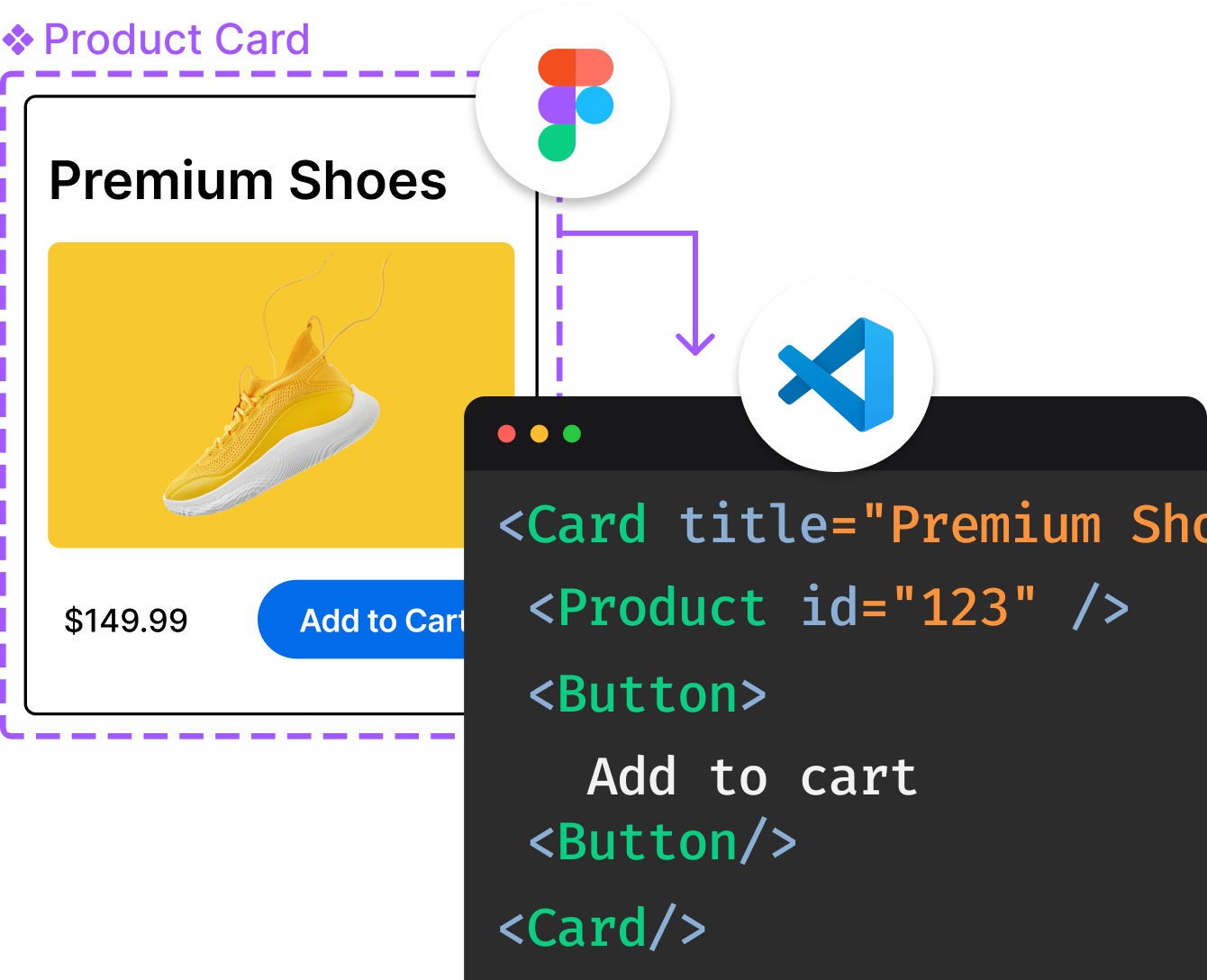
Introducing Visual Copilot: A new AI model to turn Figma designs to high quality code using your components.
Try Visual CopilotREADME
MLT FRAMEWORK
MLT is a LGPL multimedia framework designed for video editing.
This document provides a quick reference for the minimal configuration, build and installation of MLT.
See the docs/ directory for usage details.
See the website for development details and a contributing guide.
Development Environment (Dev Container)
This repository provides a standardized development environment using the Development Containers specification. It is compatible with VS Code, CLion, DevPod, and other IDEs supporting the .devcontainer standard.
Prerequisites
- Docker (or Podman)
- An IDE with Dev Container support.
Hardware Acceleration and Audio Support
By default, the container runs in Restricted Mode (secure/headless). In this mode:
- Audio is routed to a
dummydriver (no sound). - GPU access might be limited to software rendering.
Enabling Real Hardware Access
To enable Full GPU Acceleration (DRI) and Physical Audio (ALSA/PulseAudio/PipeWire), follow these steps:
-
Modify
devcontainer.json: Uncomment the following lines inside therunArgsarray:"--ipc=host", "--privileged"- What this does:
--ipc=hostallows shared memory access for high-performance video frames, and--privilegedgrants the container direct access to host devices (GPU nodes and Sound Cards).
- What this does:
-
Trigger a Rebuild: Changes to
runArgsrequire a container recreation.- In VS Code: Run the command
Dev Containers: Rebuild Container. - In CLion: Select
Restart and Rebuild Container.
- In VS Code: Run the command
-
Switch the Audio Driver: The
Dockerfiledefaults toSDL_AUDIODRIVER=dummy. Once in privileged mode, you must tell the MLT consumer to use a real driver:- Temporary (CLI):
SDL_AUDIODRIVER=alsa melt video.mp4- Permanent: Edit the
ENV SDL_AUDIODRIVERline in your.devcontainer/Dockerfiletoalsaorpulseaudio.
Warning: Using
--privilegedmode reduces the security isolation between the container and your host machine. Use it only when real-time hardware playback is required for development.
Configuration
Configuration is triggered by running CMake from inside a build directory, not from the project root.
mkdir -p build
cd build
cmake ..
Alternatively, you can configure CMake with Ninja:
cmake -G Ninja ..
More information on usage is found by viewing CMakeLists.txt and the CMake manual page.
Compilation
Once configured, it should be sufficient to run:
cmake --build .
Alternatively, you can compile with Ninja:
ninja
Alternatively, you can compile using CMake or Ninja with one less CPU core (recommended only on systems with many CPU cores):
cmake --build . --parallel $(($(nproc) - 1))
# or
ninja -j $(($(nproc) - 1))
All generated files (Makefiles, Ninja files, cache, object files, binaries) will remain inside the build/ directory.
Testing
To execute the MLT tools without installation, or to test a new version on a system with an already installed MLT version, run:
source ../setenv
ctest --output-on-failure # -j $(($(nproc) - 1))
NB:
- This applies to the current shell only
- It assumes a bash or Bourne-compatible shell is in use
- The command must be executed from inside the
build/directory
Installation
Installation is triggered by running:
sudo cmake --install .
This installs the files generated in the build/ directory, without affecting the project source tree.
Note: After installation, some Linux systems may require running
sudo ldconfigto refresh the shared library cache, especially if the install prefix is not already part of the system linker configuration.
Summary
mkdir build
cd build
cmake ..
cmake --build .
source ../setenv
ctest --output-on-failure
sudo cmake --install .
This approach keeps the source tree clean and allows the entire build to be removed safely by deleting the build/ directory.
More Information
For more detailed information, please refer to https://mltframework.org/docs/install/.
Top Related Projects
Mirror of https://git.ffmpeg.org/ffmpeg.git
GStreamer open-source multimedia framework
OpenShot Video Library (libopenshot) is a free, open-source project dedicated to delivering high quality video editing, animation, and playback solutions to the world. API currently supports C++, Python, and Ruby.
Free and open source video editor, based on MLT Framework and KDE Frameworks
Convert designs to code with AI
Introducing Visual Copilot: A new AI model to turn Figma designs to high quality code using your components.
Try Visual Copilot