 node-webrtc
node-webrtc is a Node.js Native Addon that provides bindings to WebRTC M106
Top Related Projects

Pure Go implementation of the WebRTC API

📡 Simple WebRTC video, voice, and data channels

WebRTC, WebRTC and WebRTC. Everything here is all about WebRTC!!

WebRTC Web demos and samples
READ ONLY FORK: Shim to insulate apps from spec changes and prefix differences. Latest adapter.js release:

A low-level JS video API that allows adding a completely custom video experience to web apps.
Quick Overview
node-webrtc is a Node.js native addon that provides WebRTC support. It allows developers to use WebRTC APIs in Node.js applications, enabling peer-to-peer communication, video/audio streaming, and data channels without a browser.
Pros
- Brings WebRTC capabilities to Node.js environments
- Supports both data channels and media streaming
- Actively maintained with regular updates
- Provides a familiar API for developers experienced with browser-based WebRTC
Cons
- Complex setup process due to native dependencies
- Performance may not match browser implementations in all scenarios
- Limited platform support compared to browser-based WebRTC
- Steeper learning curve for developers new to WebRTC concepts
Code Examples
- Creating a peer connection:
const wrtc = require('node-webrtc');

const peerConnection = new wrtc.RTCPeerConnection({
  iceServers: [{ urls: 'stun:stun.l.google.com:19302' }]
});
- Adding a data channel:
const dataChannel = peerConnection.createDataChannel('myChannel');

dataChannel.onopen = () => {
  console.log('Data channel is open');
  dataChannel.send('Hello, peer!');
};

dataChannel.onmessage = (event) => {
  console.log('Received message:', event.data);
};
- Handling ICE candidates:
peerConnection.onicecandidate = (event) => {
  if (event.candidate) {
    // Send the candidate to the remote peer
    sendToRemotePeer(JSON.stringify(event.candidate));
  }
};
Getting Started
-
Install node-webrtc:
npm install node-webrtc -
Create a new JavaScript file (e.g.,
webrtc-example.js) and add the following code:
const wrtc = require('node-webrtc');

const peerConnection = new wrtc.RTCPeerConnection({
  iceServers: [{ urls: 'stun:stun.l.google.com:19302' }]
});

const dataChannel = peerConnection.createDataChannel('myChannel');

dataChannel.onopen = () => {
  console.log('Data channel is open');
  dataChannel.send('Hello from node-webrtc!');
};

dataChannel.onmessage = (event) => {
  console.log('Received message:', event.data);
};

// Add signaling logic here to connect with a remote peer
- Run the example:
node webrtc-example.js
Note: This is a basic example. You'll need to implement signaling logic to exchange connection information between peers for a complete WebRTC application.
Competitor Comparisons
Pure Go implementation of the WebRTC API
Pros of pion/webrtc
- Written in Go, offering better performance and concurrency
- Lightweight and easy to integrate into Go projects
- Active development and community support
Cons of pion/webrtc
- Limited ecosystem compared to Node.js
- May require more manual implementation of certain features
- Potentially steeper learning curve for developers not familiar with Go
Code Comparison
node-webrtc:
const wrtc = require('wrtc');
const pc = new wrtc.RTCPeerConnection();
pc.createOffer().then(offer => {
  pc.setLocalDescription(offer);
});
pion/webrtc:
import "github.com/pion/webrtc/v3"

peerConnection, err := webrtc.NewPeerConnection(webrtc.Configuration{})
offer, err := peerConnection.CreateOffer(nil)
err = peerConnection.SetLocalDescription(offer)
Both libraries provide similar functionality for creating WebRTC connections, but with syntax and patterns specific to their respective languages. node-webrtc leverages JavaScript's promise-based async operations, while pion/webrtc uses Go's error handling approach.
The choice between these libraries largely depends on the project's language requirements, performance needs, and the development team's expertise. node-webrtc may be more suitable for Node.js applications, while pion/webrtc is ideal for Go-based projects requiring WebRTC capabilities.
📡 Simple WebRTC video, voice, and data channels
Pros of simple-peer
- Easier to use and more beginner-friendly
- Provides a higher-level abstraction for WebRTC
- Supports both Node.js and browser environments
Cons of simple-peer
- Less flexible and customizable than node-webrtc
- May have performance limitations for complex use cases
- Lacks some advanced features available in node-webrtc
Code Comparison
simple-peer:
const Peer = require('simple-peer')

const peer = new Peer({ initiator: true })

peer.on('signal', data => {
  // Send signaling data to the other peer
})
node-webrtc:
const wrtc = require('node-webrtc')

const pc = new wrtc.RTCPeerConnection()

pc.createOffer().then(offer => {
  return pc.setLocalDescription(offer)
})
Summary
simple-peer is more user-friendly and works in both Node.js and browsers, making it ideal for simpler WebRTC applications. node-webrtc offers more control and advanced features but has a steeper learning curve and is limited to Node.js environments. Choose simple-peer for quick prototyping and cross-platform compatibility, and node-webrtc for more complex, server-side WebRTC implementations requiring fine-grained control.
WebRTC, WebRTC and WebRTC. Everything here is all about WebRTC!!
Pros of WebRTC-Experiment
- More comprehensive collection of WebRTC demos and examples
- Easier to get started with browser-based WebRTC applications
- Includes additional features like screen sharing and file sharing
Cons of WebRTC-Experiment
- Less focused on Node.js integration
- May not provide as low-level access to WebRTC APIs
- Could be more challenging to integrate into existing Node.js applications
Code Comparison
WebRTC-Experiment:
connection.openOrJoin('room-id');
connection.onstream = function(event) {
    document.body.appendChild(event.mediaElement);
};
node-webrtc:
const pc = new RTCPeerConnection();
const dc = pc.createDataChannel('test');
pc.createOffer().then(offer => pc.setLocalDescription(offer));
The WebRTC-Experiment code snippet demonstrates a higher-level abstraction for joining a room and handling media streams, while the node-webrtc example shows a more low-level approach to creating peer connections and data channels.
WebRTC-Experiment is better suited for rapid prototyping and browser-based applications, offering a wide range of examples and features. node-webrtc, on the other hand, provides deeper integration with Node.js and more granular control over WebRTC functionality, making it more suitable for server-side and native application development.
WebRTC Web demos and samples
Pros of samples
- Browser-based implementation, making it accessible across platforms
- Extensive collection of WebRTC examples covering various use cases
- Regularly updated with the latest WebRTC features and best practices
Cons of samples
- Limited to client-side JavaScript, lacking server-side capabilities
- May require additional setup for signaling and TURN servers
- Not suitable for building standalone WebRTC applications
Code Comparison
samples (JavaScript):
const peerConnection = new RTCPeerConnection(configuration);
const dataChannel = peerConnection.createDataChannel("myChannel");

dataChannel.onmessage = (event) => {
  console.log("Received:", event.data);
};
node-webrtc (Node.js):
const wrtc = require('wrtc');
const pc = new wrtc.RTCPeerConnection(configuration);
const dc = pc.createDataChannel("myChannel");

dc.onmessage = (event) => {
  console.log("Received:", event.data);
};
Both repositories provide WebRTC functionality, but node-webrtc offers server-side implementation for Node.js, while samples focuses on browser-based examples. samples is ideal for learning and prototyping, whereas node-webrtc is better suited for building standalone WebRTC applications with server-side control.
READ ONLY FORK: Shim to insulate apps from spec changes and prefix differences. Latest adapter.js release:
Pros of adapter
- Browser-focused: Designed specifically for web browsers, ensuring broad compatibility
- Lightweight: Smaller footprint, ideal for client-side applications
- Easier integration: Simpler to incorporate into web projects
Cons of adapter
- Limited scope: Primarily for browser environments, not suitable for server-side applications
- Less control: Provides abstraction layer, which may limit fine-grained control over WebRTC features
Code comparison
adapter:
import adapter from 'webrtc-adapter';

const pc = new RTCPeerConnection();
const dc = pc.createDataChannel('myChannel');
node-webrtc:
const wrtc = require('wrtc');

const pc = new wrtc.RTCPeerConnection();
const dc = pc.createDataChannel('myChannel');
Key differences
- node-webrtc provides a Node.js implementation of WebRTC, allowing server-side usage
- adapter focuses on normalizing browser APIs for consistent WebRTC behavior across different browsers
- node-webrtc offers more flexibility for backend and non-browser applications
- adapter is better suited for front-end developers working primarily with web browsers
Use cases
- Choose adapter for web-based projects requiring cross-browser compatibility
- Opt for node-webrtc when building server-side applications or non-browser environments needing WebRTC functionality
A low-level JS video API that allows adding a completely custom video experience to web apps.
Pros of lib-jitsi-meet
- More comprehensive WebRTC solution, including features like multi-user conferencing and screen sharing
- Better integration with Jitsi Meet ecosystem and other Jitsi projects
- Active development and regular updates
Cons of lib-jitsi-meet
- Steeper learning curve due to its complexity and extensive feature set
- Potentially heavier resource usage for simpler WebRTC applications
- Tighter coupling with Jitsi infrastructure, which may limit flexibility in some scenarios
Code Comparison
lib-jitsi-meet:
const options = {
    hosts: {
        domain: 'jitsi-meet.example.com',
        muc: 'conference.jitsi-meet.example.com'
    },
    bosh: 'https://jitsi-meet.example.com/http-bind'
};
const connection = new JitsiMeetJS.JitsiConnection(null, null, options);
node-webrtc:
const wrtc = require('wrtc');
const pc = new wrtc.RTCPeerConnection();
const dc = pc.createDataChannel('test');
The lib-jitsi-meet example shows configuration for connecting to a Jitsi server, while node-webrtc demonstrates basic peer connection and data channel creation. lib-jitsi-meet provides a higher-level abstraction, whereas node-webrtc offers more low-level control over WebRTC functionality.
Convert  designs to code with AI
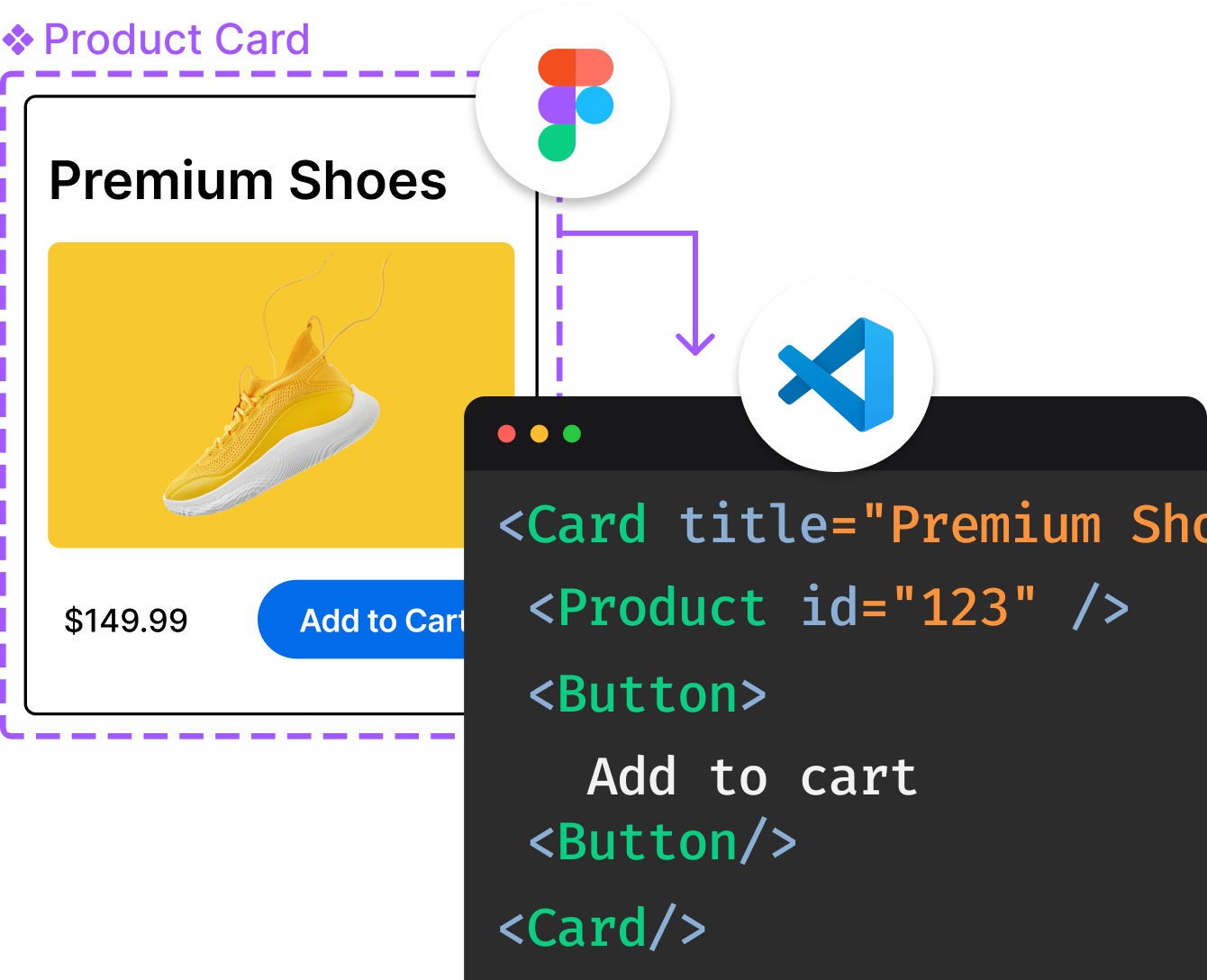
Introducing Visual Copilot: A new AI model to turn Figma designs to high quality code using your components.
Try Visual CopilotREADME



node-webrtc is a Node.js Native Addon that provides bindings to WebRTC M106. This project is aiming for spec-compliance and will eventually be tested using the W3C's web-platform-tests project. A number of nonstandard APIs for testing are also included.
Install
npm install wrtc
Installing from NPM downloads a prebuilt binary for your operating system à architecture, based on optional dependency filters.
To install a debug build or cross-compile, you should build from source.
Supported Platforms
The following platforms are confirmed to work with node-webrtc and have prebuilt binaries available. Since node-webrtc targets N-API version 3, there may be additional platforms supported that are not listed here. If your platform is not supported, you may still be able to build from source.
| Linux | macOS | Windows | ||||
|---|---|---|---|---|---|---|
| x64 | arm64 | x64 | arm64 | x64 | ||
| Node | 20 | â | ? | â | â | â |
| 22 | â | ? | â | â | â | |
Examples
See node-webrtc/node-webrtc-examples.
See Also
If this package doesn't work for you, other alternatives that might suit your needs are node-datachannel and werift
Top Related Projects
Pure Go implementation of the WebRTC API
📡 Simple WebRTC video, voice, and data channels
WebRTC, WebRTC and WebRTC. Everything here is all about WebRTC!!
WebRTC Web demos and samples
READ ONLY FORK: Shim to insulate apps from spec changes and prefix differences. Latest adapter.js release:
A low-level JS video API that allows adding a completely custom video experience to web apps.
Convert designs to code with AI
Introducing Visual Copilot: A new AI model to turn Figma designs to high quality code using your components.
Try Visual Copilot