
Top Related Projects


Quick Overview
ownCloud Core is an open-source file sync and share software that allows users to store, access, and share files, calendars, contacts, and other data. It provides a self-hosted alternative to commercial cloud storage services, giving users full control over their data and privacy.
Pros
- Self-hosted solution, offering complete control over data and privacy
- Extensive ecosystem with numerous apps and integrations
- Cross-platform compatibility (desktop, mobile, and web interfaces)
- Active community and regular updates
Cons
- Requires technical knowledge for setup and maintenance
- Performance can be affected by server hardware and configuration
- Some advanced features may require paid enterprise edition
- Potential security risks if not properly configured and maintained
Getting Started
To set up ownCloud Core:
- Ensure your server meets the system requirements.
- Download the latest version from the ownCloud website.
- Extract the archive to your web server directory.
- Create a database for ownCloud.
- Access the ownCloud URL in your web browser and follow the installation wizard.
- Configure your web server for ownCloud (e.g., Apache or Nginx).
Example Apache configuration:
<VirtualHost *:80>
    DocumentRoot /var/www/owncloud/
    ServerName cloud.example.com

    <Directory /var/www/owncloud/>
        Options +FollowSymlinks
        AllowOverride All
        Require all granted
        SetEnv HOME /var/www/owncloud
        SetEnv HTTP_HOME /var/www/owncloud
    </Directory>
</VirtualHost>
For detailed installation instructions, refer to the official documentation.
Competitor Comparisons
☁️ Nextcloud server, a safe home for all your data
Pros of Nextcloud
- More active development with frequent updates and new features
- Stronger focus on security and privacy features
- Larger and more engaged community contributing to the project
Cons of Nextcloud
- Can be more resource-intensive due to additional features
- Some users report a steeper learning curve for administration
Code Comparison
Nextcloud (config.php):
<?php
$CONFIG = array (
  'datadirectory' => '/var/www/nextcloud/data',
  'overwrite.cli.url' => 'https://cloud.example.com',
  'dbtype' => 'mysql',
  'version' => '23.0.0.10',
);
ownCloud (config.php):
<?php
$CONFIG = array (
  'datadirectory' => '/var/www/owncloud/data',
  'overwrite.cli.url' => 'https://cloud.example.com',
  'dbtype' => 'mysql',
  'version' => '10.9.1.2',
);
Both projects share similar configuration structures, but Nextcloud typically has more advanced options available. The core functionality remains comparable, with differences primarily in feature sets and development philosophies.
Future-proof content collaboration platform
Pros of Cells
- Built with Go, offering better performance and scalability
- Modern, microservices-based architecture
- More comprehensive API and SDK for developers
Cons of Cells
- Smaller community and ecosystem compared to ownCloud
- Steeper learning curve for administrators
- Less extensive documentation and third-party integrations
Code Comparison
Cells (Go):
func (s *PydioSyncHandler) HandleMessage(msg *broker.Message) error {
    var syncMsg sync.Message
    if err := json.Unmarshal(msg.Body, &syncMsg); err != nil {
        return err
    }
    // Process sync message
}
ownCloud (PHP):
public function handleSyncMessage($message) {
    $syncData = json_decode($message, true);
    if (json_last_error() !== JSON_ERROR_NONE) {
        return false;
    }
    // Process sync data
}
Both projects implement file synchronization, but Cells uses Go's strong typing and error handling, while ownCloud relies on PHP's more flexible approach. Cells' code tends to be more concise and performant, while ownCloud's may be more accessible to web developers familiar with PHP.
Convert  designs to code with AI
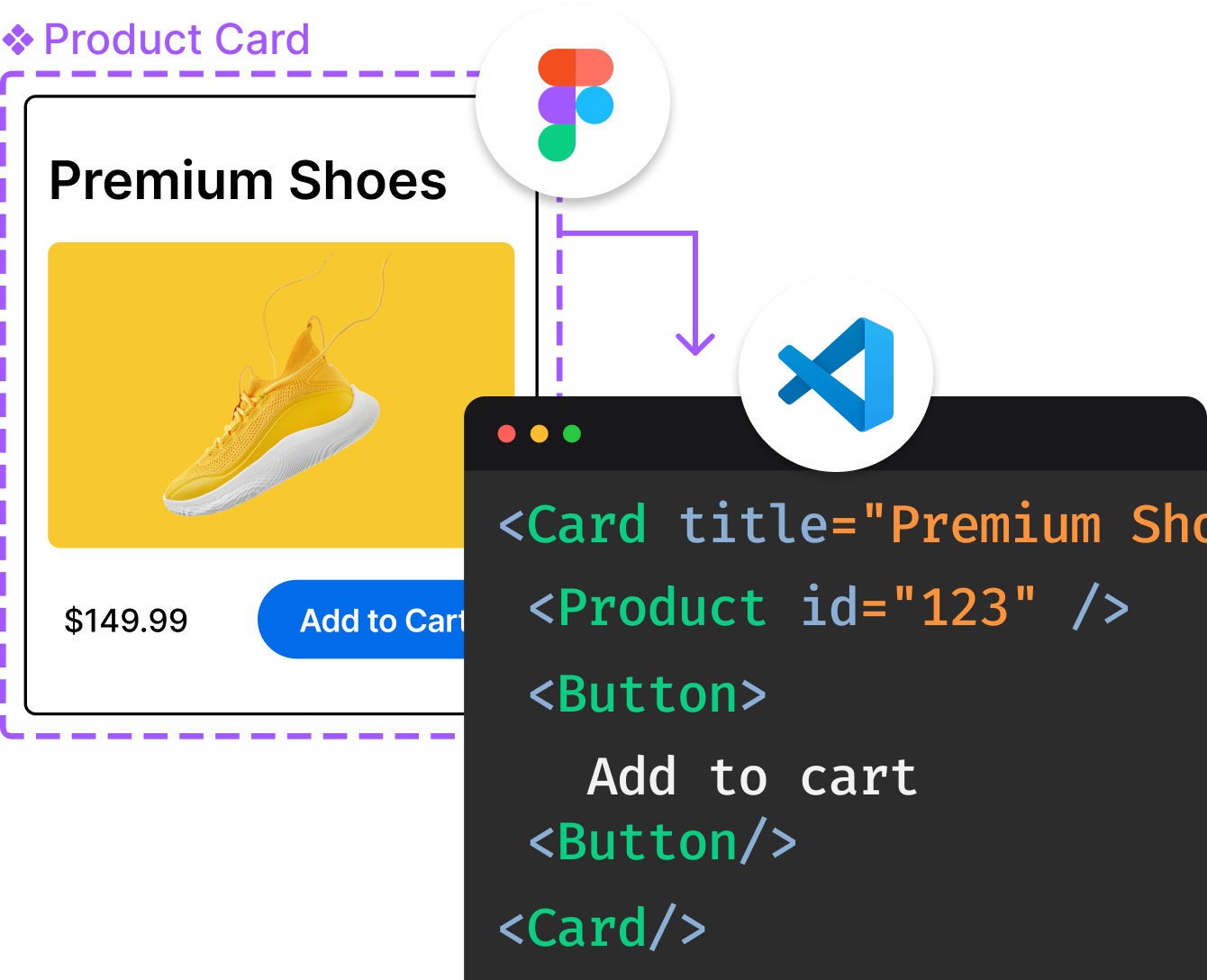
Introducing Visual Copilot: A new AI model to turn Figma designs to high quality code using your components.
Try Visual CopilotREADME
ownCloud Core



ownCloud Core is the server-side component of ownCloud Classic, providing file storage, synchronization, and sharing trusted by over 200 million users worldwide. It includes WebDAV, CalDAV, and CardDAV servers, a plugin architecture for apps, user and group management, encryption support, external storage backends, and a comprehensive REST API. The server runs on PHP with support for MySQL, MariaDB, PostgreSQL, and SQLite databases.
Part of ownCloud Classic
This is the main repository for ownCloud Classic. It is the foundation that apps like Activity, Calendar, Contacts, and many others extend. The server is available as a Docker image on Docker Hub.
For the next-generation ownCloud platform, see ownCloud Infinite Scale (oCIS).
Getting Started
For installing ownCloud Classic, see the official installation manual.
Development Build Prerequisites
- Composer v2
- Yarn and Node.js (v14 or higher)
make
Documentation
- ownCloud Classic documentation
- Developer documentation
- CHANGELOG.md
- Conventional Commits specification
Community & Support
Star this repo and Watch for release notifications!
Contributing
We welcome contributions! Please read the Contributing Guidelines and our Code of Conduct before getting started.
Workflow
- Rebase Early, Rebase Often! We use a rebase workflow. Always rebase on the target branch before submitting a PR.
- Dependabot: Automated dependency updates are managed via Dependabot. Review and merge dependency PRs promptly.
- Signed Commits: All commits must be PGP/GPG signed. See GitHub's signing guide.
- DCO Sign-off: Every commit must carry a
Signed-off-byline:git commit -s -S -m "your commit message" - GitHub Actions Policy: Workflows may only use actions that are (a) owned by
owncloud, (b) created by GitHub (actions/*), or (c) verified in the GitHub Marketplace.
Translations
Help translate this project on Transifex: https://explore.transifex.com/owncloud-org/owncloud/
Please submit translations via Transifex -- do not open pull requests for translation changes.
Security
Do not open a public GitHub issue for security vulnerabilities.
Report vulnerabilities at https://security.owncloud.com -- see SECURITY.md.
Bug bounty: YesWeHack ownCloud Program
License
This project is licensed under the AGPL-3.0.
About the ownCloud OSPO
The Kiteworks Open Source Program Office, operating under the ownCloud brand, launched on May 5, 2026, to steward the open source ecosystem around ownCloud's products. The OSPO ensures transparent governance, license compliance, community health, and sustainable collaboration between the open source community and Kiteworks, which acquired ownCloud in 2023.
- OSPO Home: https://kiteworks.com/opensource
- GitHub: https://github.com/owncloud
- ownCloud: https://owncloud.com
For questions about the OSPO or licensing, contact ospo@kiteworks.com.
License Migration to Apache 2.0
The OSPO is driving a strategic relicensing of ownCloud repositories toward the Apache License 2.0, following the Apache Software Foundation's third-party license policy.
Individual repositories will migrate as their audit is completed. The LICENSE file in each repo reflects its current license status (not the target).
Current license: AGPL-3.0 (Category X per Apache policy -- cannot be included in Apache-2.0 works).
Migration prerequisites for this repository:
- CLA/DCO coverage: All past contributors must have signed agreements permitting relicensing
- Copyleft dependency audit: All AGPL/GPL dependencies must be replaced or isolated
- KDE heritage review: Any code with KDE-era copyrights requires legal analysis
- Complete relicensing: AGPL-3.0 is a strong copyleft license; migration requires full relicensing of all files, not just a header change
Top Related Projects
Convert designs to code with AI
Introducing Visual Copilot: A new AI model to turn Figma designs to high quality code using your components.
Try Visual Copilot