
Top Related Projects

OpenAPI Generator allows generation of API client libraries (SDK generation), server stubs, documentation and configuration automatically given an OpenAPI Spec (v2, v3)

A flexible JSON/YAML linter for creating automated style guides, with baked in support for OpenAPI (v3.1, v3.0, and v2.0), Arazzo v1.0, as well as AsyncAPI v2.x.

📘 OpenAPI/Swagger-generated API Reference Documentation

API Blueprint

The OpenAPI Specification Repository

Plugin for converting OpenAPI 3.0 specs to the Postman Collection (v2) format
Quick Overview
Swagger Editor is a browser-based editor for designing, describing, and documenting RESTful APIs using the OpenAPI Specification (formerly known as Swagger). It provides a real-time preview of the API documentation and allows for easy editing of API definitions in YAML or JSON format.
Pros
- Real-time visualization of API documentation
- Built-in validation for OpenAPI Specification compliance
- Supports both YAML and JSON formats
- Integrates well with other Swagger tools and ecosystem
Cons
- Limited offline functionality
- Can be resource-intensive for large API definitions
- Learning curve for users unfamiliar with OpenAPI Specification
- Some advanced features may require additional setup or plugins
Getting Started
To use Swagger Editor, you can either:
-
Visit the online version at https://editor.swagger.io/
-
Run it locally using Docker:
docker pull swaggerapi/swagger-editor
docker run -d -p 80:8080 swaggerapi/swagger-editor
Then open your browser and navigate to http://localhost:80.
- Install it as an npm package:
npm install -g swagger-editor-dist
swagger-editor-dist serve
This will start a local server, and you can access the editor at http://localhost:3001.
Once you have the editor open, you can start defining your API by editing the YAML or JSON in the left panel. The right panel will update in real-time to show the rendered API documentation.
Competitor Comparisons
OpenAPI Generator allows generation of API client libraries (SDK generation), server stubs, documentation and configuration automatically given an OpenAPI Spec (v2, v3)
Pros of openapi-generator
- Supports a wide range of programming languages and frameworks for code generation
- Offers more customization options for generated code
- Provides a command-line interface for easy integration into build processes
Cons of openapi-generator
- Steeper learning curve due to its extensive features and options
- May require more setup and configuration compared to Swagger Editor
Code comparison
Swagger Editor (YAML editing):
openapi: 3.0.0
info:
  title: Sample API
  version: 1.0.0
paths:
  /users:
    get:
      summary: Get users
openapi-generator (CLI usage):
openapi-generator generate -i api.yaml -g java -o ./generated
Key differences
- Swagger Editor is primarily a browser-based editor for OpenAPI specifications
- openapi-generator focuses on generating client libraries, server stubs, and documentation
- Swagger Editor provides real-time validation and visualization of API specifications
- openapi-generator offers more flexibility in terms of output formats and customization
Use cases
- Use Swagger Editor for creating and editing OpenAPI specifications visually
- Choose openapi-generator for generating code across multiple languages and frameworks
- Combine both tools in a workflow: design with Swagger Editor, then generate code with openapi-generator
A flexible JSON/YAML linter for creating automated style guides, with baked in support for OpenAPI (v3.1, v3.0, and v2.0), Arazzo v1.0, as well as AsyncAPI v2.x.
Pros of Spectral
- More flexible and customizable linting rules
- Can be used as a standalone CLI tool or integrated into CI/CD pipelines
- Supports multiple API description formats (OpenAPI, AsyncAPI, JSON Schema)
Cons of Spectral
- Lacks built-in editing capabilities
- Requires more setup and configuration for advanced use cases
- May have a steeper learning curve for beginners
Code Comparison
Spectral (custom rule):
module.exports = {
  rules: {
    'operation-description': {
      given: '$.paths.*[get,post,put,delete]',
      then: {
        field: 'description',
        function: 'truthy'
      }
    }
  }
};
Swagger Editor (built-in validation):
paths:
  /users:
    get:
      summary: Get users
      description: Retrieve a list of users
      responses:
        '200':
          description: Successful response
Spectral focuses on customizable linting and validation, while Swagger Editor provides a more integrated editing and preview experience for OpenAPI specifications. Spectral offers greater flexibility in rule creation and supports multiple API formats, making it suitable for complex validation scenarios. However, Swagger Editor excels in providing a user-friendly interface for editing and visualizing OpenAPI documents, which may be more accessible for users who prefer a GUI-based approach.
📘 OpenAPI/Swagger-generated API Reference Documentation
Pros of Redoc
- Offers a more modern and visually appealing documentation interface
- Provides better support for complex API structures and nested objects
- Allows for easier customization of the documentation layout and styling
Cons of Redoc
- Lacks built-in editing capabilities, focusing primarily on rendering
- May require additional setup and configuration compared to Swagger Editor
- Has a steeper learning curve for advanced customization
Code Comparison
Swagger Editor (YAML):
openapi: 3.0.0
info:
  title: Sample API
  version: 1.0.0
paths:
  /users:
    get:
      summary: Get users
Redoc (HTML):
<!DOCTYPE html>
<html>
  <head>
    <title>API Documentation</title>
    <meta charset="utf-8"/>
    <script src="https://cdn.jsdelivr.net/npm/redoc@next/bundles/redoc.standalone.js"></script>
  </head>
  <body>
    <redoc spec-url="path/to/openapi.yaml"></redoc>
  </body>
</html>
Swagger Editor is an all-in-one solution for editing and previewing OpenAPI specifications, while Redoc focuses on rendering beautiful and interactive API documentation. Swagger Editor provides a more integrated experience for API design and documentation, whereas Redoc excels in creating polished, user-friendly documentation for consumers of the API.
API Blueprint
Pros of API Blueprint
- Simpler, more human-readable syntax using Markdown
- Better support for documentation-first API design
- Easier to learn for non-technical stakeholders
Cons of API Blueprint
- Less widespread adoption compared to Swagger/OpenAPI
- Fewer tools and integrations available in the ecosystem
- Limited support for complex API structures and advanced features
Code Comparison
API Blueprint:
# GET /users/{id}
+ Parameters
    + id: 1 (number, required) - User ID
+ Response 200 (application/json)
    + Attributes
        + name: John Doe (string)
        + email: john@example.com (string)
Swagger Editor (YAML):
/users/{id}:
  get:
    parameters:
      - name: id
        in: path
        required: true
        schema:
          type: integer
    responses:
      '200':
        content:
          application/json:
            schema:
              type: object
              properties:
                name:
                  type: string
                email:
                  type: string
Both Swagger Editor and API Blueprint are popular tools for API design and documentation. Swagger Editor, part of the OpenAPI ecosystem, offers a more comprehensive set of features and wider industry adoption. API Blueprint, on the other hand, provides a simpler, more readable syntax that can be easier for non-technical team members to understand and contribute to. The choice between the two often depends on the specific needs of the project and the team's preferences.
The OpenAPI Specification Repository
Pros of OpenAPI-Specification
- Serves as the official standard for API description
- Provides a comprehensive, language-agnostic specification
- Widely adopted and supported by various tools and platforms
Cons of OpenAPI-Specification
- Lacks built-in editing capabilities
- Requires additional tools for visualization and testing
- May have a steeper learning curve for beginners
Code Comparison
OpenAPI-Specification (YAML):
openapi: 3.0.0
info:
  title: Sample API
  version: 1.0.0
paths:
  /users:
    get:
      summary: List users
Swagger-Editor (JavaScript):
SwaggerEditor.create(element, {
  swagger: '2.0',
  info: {
    title: 'Sample API',
    version: '1.0.0'
  }
});
Key Differences
- OpenAPI-Specification focuses on defining the API structure
- Swagger-Editor provides an interactive editing environment
- OpenAPI-Specification is more flexible and extensible
- Swagger-Editor offers real-time validation and documentation
Use Cases
- OpenAPI-Specification: Standardizing API definitions across teams
- Swagger-Editor: Rapid prototyping and visual API design
Community and Support
- OpenAPI-Specification: Large community, extensive third-party tooling
- Swagger-Editor: Well-maintained, part of the Swagger ecosystem
Plugin for converting OpenAPI 3.0 specs to the Postman Collection (v2) format
Pros of openapi-to-postman
- Specialized tool for converting OpenAPI specifications to Postman collections
- Seamless integration with Postman ecosystem
- Supports both OpenAPI 2.0 and 3.0 specifications
Cons of openapi-to-postman
- Limited editing capabilities compared to Swagger Editor
- Lacks real-time preview and validation features
- Focused solely on conversion, not a full-fledged API design tool
Code Comparison
Swagger Editor (YAML editing):
openapi: 3.0.0
info:
  title: Sample API
  version: 1.0.0
paths:
  /users:
    get:
      summary: Get users
openapi-to-postman (JavaScript conversion):
const Converter = require('openapi-to-postmanv2');
Converter.convert({ type: 'string', data: openapiData },
  (err, conversionResult) => {
    // Handle conversion result
  }
);
While Swagger Editor provides a comprehensive environment for API design and documentation, openapi-to-postman focuses on bridging the gap between OpenAPI specifications and Postman collections. Swagger Editor offers real-time editing, validation, and preview capabilities, making it ideal for API designers. On the other hand, openapi-to-postman excels in converting existing OpenAPI specs to Postman format, enabling easier API testing and collaboration within the Postman ecosystem.
Convert  designs to code with AI
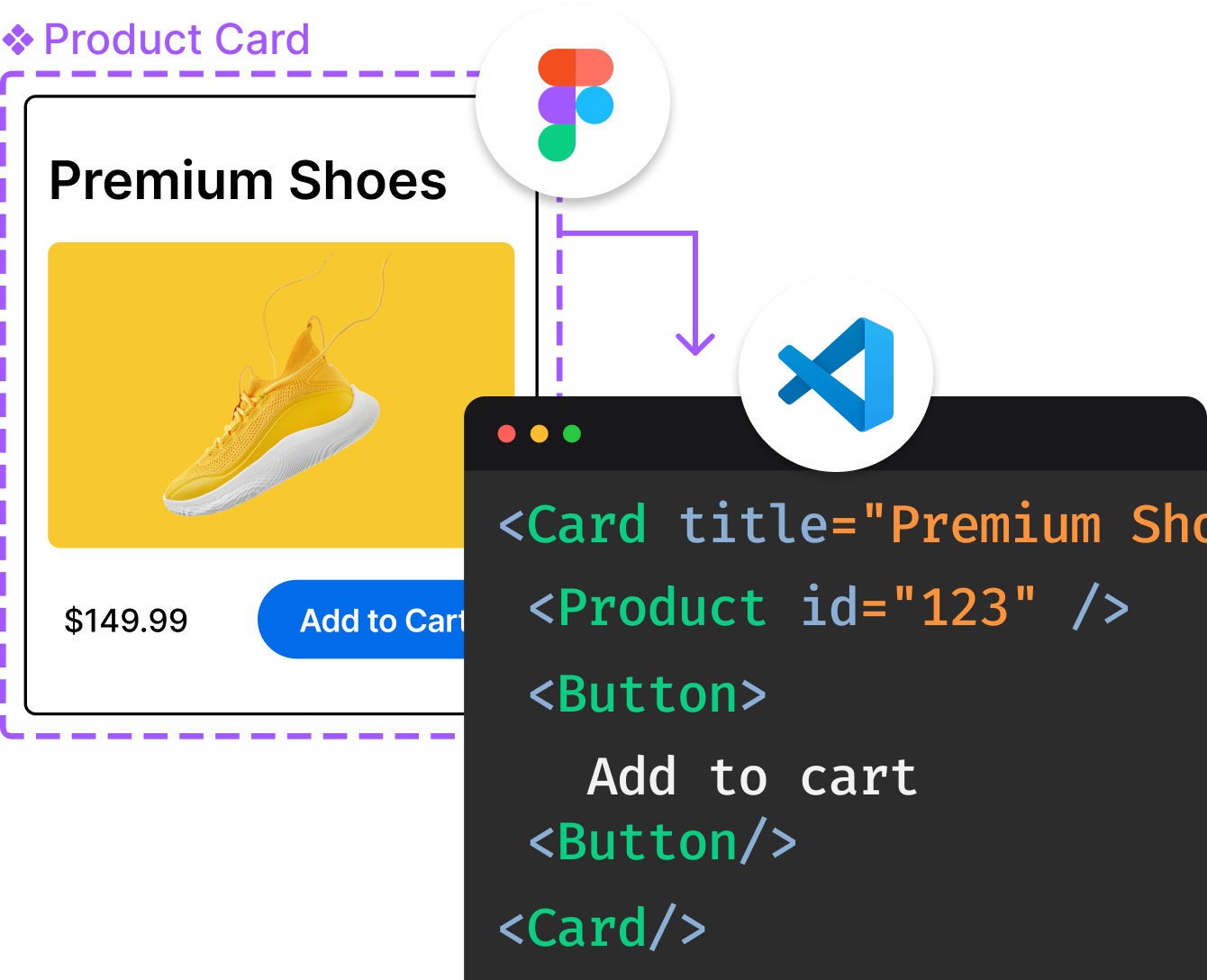
Introducing Visual Copilot: A new AI model to turn Figma designs to high quality code using your components.
Try Visual CopilotREADME
SwaggerEditor
Table of Contents
- Anonymized analytics
- Getting started
- Development
- Documentation
- Docker
- License
- Software Bill Of Materials (SBOM)
Anonymized analytics
Swagger Editor uses Scarf to collect anonymized installation analytics. These analytics help support the maintainers of this library and ONLY run during installation. To opt out, you can set the scarfSettings.enabled field to false in your project's package.json:
// package.json
{
  // ...
  "scarfSettings": {
    "enabled": false
  }
  // ...
}
Alternatively, you can set the environment variable SCARF_ANALYTICS to false as part of the environment that installs your npm packages, e.g., SCARF_ANALYTICS=false npm install.
Getting started
Prerequisites
These prerequisites are required both for installing SwaggerEditor as a npm package and local development setup.
- node-gyp with Python 3.x
- GLIBC
>=2.29 - emscripten or docker needs to be installed, we recommend going with a docker option
Installation
Assuming prerequisites are already installed, SwaggerEditor npm package is installable and works with Node.js >= 12.22.0.
You can install SwaggerEditor via npm CLI by running the following command:
$ npm install swagger-editor@alpha
NOTE: when using bundler to build your project which is using swagger-editor@5 npm package, you might run into following Node.js error:
Reached heap limit Allocation failed - JavaScript heap out of memory. It's caused by significant amount of code that needs to be bundled. This error can be resolved by extending the Node.js max heap limit:export NODE_OPTIONS="--max_old_space_size=4096".
Usage
Use the package in your application:
index.js:
import React from 'react';
import ReactDOM from 'react-dom';
import SwaggerEditor from 'swagger-editor';
import 'swagger-editor/swagger-editor.css';

const url = "https://raw.githubusercontent.com/asyncapi/spec/v2.2.0/examples/streetlights-kafka.yml";

const MyApp = () => (
  <div>
    <h1>SwaggerEditor Integration</h1>
    <SwaggerEditor url={url} />
  </div>
);

self.MonacoEnvironment = {
  /**
   * We're building into the dist/ folder. When application starts on
   * URL=https://example.com then SwaggerEditor will look for
   * `apidom.worker.js` on https://example.com/dist/apidom.worker.js,
   * `editor.worker` on https://example.com/dist/editor.worker.js and
   * `asyncapi-parser.worker.js` on https://example.com/dist/asyncapi-parser.worker.js.
   */
  baseUrl: `${document.baseURI || location.href}dist/`,
}

ReactDOM.render(<MyApp />, document.getElementById('swagger-editor'));
webpack.config.js (webpack@5)
Install dependencies needed for webpack@5 to properly build SwaggerEditor.
 $ npm i stream-browserify --save-dev
 $ npm i https-browserify --save-dev
 $ npm i stream-http --save-dev
 $ npm i util --save-dev
 $ npm i buffer --save-dev
 $ npm i process --save-dev
const path = require('path');
const webpack = require('webpack');
module.exports = {
mode: 'production',
entry: {
app: './index.js',
'apidom.worker': 'swagger-editor/apidom.worker',
'editor.worker': 'swagger-editor/editor.worker',
'asyncapi-parser.worker': 'swagger-editor/asyncapi-parser.worker',
},
output: {
globalObject: 'self',
filename: '[name].js',
path: path.resolve(__dirname, 'dist')
},
resolve: {
fallback: {
path: false,
fs: false,
http: require.resolve('stream-http'), // required for asyncapi parser
https: require.resolve('https-browserify'), // required for asyncapi parser
stream: require.resolve('stream-browserify'),
util: require.resolve('util'),
url: require.resolve('url'),
buffer: require.resolve('buffer'),
zlib: false,
},
alias: {
// This alias make sure we don't pull two different versions of monaco-editor
'monaco-editor': '/node_modules/monaco-editor',
// This alias makes sure we're avoiding a runtime error related to this package
'@stoplight/ordered-object-literal$': '/node_modules/@stoplight/ordered-object-literal/src/index.mjs',
'react/jsx-runtime.js': 'react/jsx-runtime',
},
},
plugins: [
new webpack.ProvidePlugin({
Buffer: ['buffer', 'Buffer'],
process: ['process'],
}),
],
module: {
rules: [
{
test: /\.css$/,
use: ['style-loader', 'css-loader']
},
/**
* The default way in which webpack loads wasm files wonât work in a worker,
* so we will have to disable webpackâs default handling of wasm files and
* then fetch the wasm file by using the file path that we get using file-loader.
*
* Resource: https://pspdfkit.com/blog/2020/webassembly-in-a-web-worker/
*
* Alternatively, WASM file can be bundled directly into JavaScript bundle as data URLs.
* This configuration reduces the complexity of WASM file loading
* but increases the overal bundle size:
*
* {
* test: /\.wasm$/,
* type: 'asset/inline',
* }
*/
{
test: /\.wasm$/,
loader: 'file-loader',
type: 'javascript/auto', // this disables webpacks default handling of wasm
},
]
}
};
Alternative webpack.config.js (webpack@5)
We've already built Web Workers artifacts for you, and they're located inside our npm distribution
package in dist/umd/ directory. To avoid the complexity of building the Web Worker artifacts, you can
use those artifacts directly. This setup will work both for production and development (webpack-dev-server)
and will significantly shorten your build process.
Install copy-webpack-plugin and other needed dependencies.
 $ npm i copy-webpack-plugin --save-dev
 $ npm i stream-browserify --save-dev
 $ npm i https-browserify --save-dev
 $ npm i stream-http --save-dev
 $ npm i util --save-dev
 $ npm i buffer --save-dev
 $ npm i process --save-dev
const path = require('path');
const webpack = require('webpack');
const CopyWebpackPlugin = require('copy-webpack-plugin');
module.exports = {
mode: 'production',
entry: {
app: './index.js',
},
output: {
globalObject: 'self',
filename: 'static/js/[name].js',
path: path.resolve(__dirname, 'dist')
},
resolve: {
fallback: {
path: false,
fs: false,
http: require.resolve('stream-http'), // required for asyncapi parser
https: require.resolve('https-browserify'), // required for asyncapi parser
stream: require.resolve('stream-browserify'),
util: require.resolve('util'),
url: require.resolve('url'),
buffer: require.resolve('buffer'),
zlib: false,
},
alias: {
// This alias make sure we don't pull two different versions of monaco-editor
'monaco-editor': '/node_modules/monaco-editor',
// This alias makes sure we're avoiding a runtime error related to this package
'@stoplight/ordered-object-literal$': '/node_modules/@stoplight/ordered-object-literal/src/index.mjs',
'react/jsx-runtime.js': 'react/jsx-runtime',
}
},
plugins: [
new webpack.ProvidePlugin({
Buffer: ['buffer', 'Buffer'],
process: ['process'],
}),
new CopyWebpackPlugin({
patterns: [
{
from: 'node_modules/swagger-editor/dist/umd/apidom.worker.js',
to: 'static/js',
},
{
from: 'node_modules/swagger-editor/dist/umd/editor.worker.js',
to: 'static/js',
},
{
from: 'node_modules/swagger-editor/dist/umd/asyncapi-parser.worker.js',
to: 'static/js',
}
]
}),
],
module: {
rules: [
{
test: /\.css$/,
use: ['style-loader', 'css-loader']
},
/**
* The default way in which webpack loads wasm files wonât work in a worker,
* so we will have to disable webpackâs default handling of wasm files and
* then fetch the wasm file by using the file path that we get using file-loader.
*
* Resource: https://pspdfkit.com/blog/2020/webassembly-in-a-web-worker/
*
* Alternatively, WASM file can be bundled directly into JavaScript bundle as data URLs.
* This configuration reduces the complexity of WASM file loading
* but increases the overal bundle size:
*
* {
* test: /\.wasm$/,
* type: 'asset/inline',
* }
*/
{
test: /\.wasm$/,
loader: 'file-loader',
type: 'javascript/auto', // this disables webpacks default handling of wasm
},
]
}
};
Development
Prerequisites
Assuming prerequisites are already installed, Node.js >=24.18.0 and npm >=11.16.0
are the minimum required versions that this repo runs on, but we recommend using the latest version of Node.js@24.
Setting up
If you use nvm, running following command inside this repository will automatically pick the right Node.js version for you:
$ nvm use
Run the following commands to set up the repository for local development:
 $ git clone https://github.com/swagger-api/swagger-editor.git
 $ cd swagger-editor
 $ npm i
 $ npm start
npm scripts
Lint
$ npm run lint
Runs unit tests
 $ npm test              # watch mode
 $ npm run test:run      # single run (CI)
 $ npm run test:coverage # with coverage report
Runs E2E tests
Usage in development environment:
 $ npx playwright test --headed    # Run with browser visible
 $ npx playwright test --ui        # Run with Playwright UI
 $ npx playwright test --debug     # Run in debug mode
Usage in Continuous Integration (CI) environment:
$ npx playwright test # Run all tests headless
View test report:
$ npx playwright show-report test/playwright/report
Build
$ npm run build
This script will build all the SwaggerEditor build artifacts - app, esm and umd.
Build artifacts
After building artifacts, every two new directories will be created: build/ and dist/.
build/
$ npm run build:app
$ npm run build:app:serve
Builds and serves standalone SwaggerEditor application and all it's assets on http://localhost:3050/.
dist/esm/
$ npm run build:bundle:esm
This bundle is suited for consumption by 3rd parties, which want to use SwaggerEditor as a library in their own applications and have their own build process.
dist/umd/
$ npm run build:bundle:umd
SwaggerEditor UMD bundle exports SwaggerEditor symbol on a global object. It's bundled with React defined as external. This allows the consumer to use his own version of React + ReactDOM and mount SwaggerEditor lazily.
<!DOCTYPE html>
<html lang="en">
<head>
  <meta charset="utf-8" />
  <meta name="viewport" content="width=device-width, initial-scale=1" />
  <meta
    name="description"
    content="SwaggerEditor"
  />
  <title>SwaggerEditor</title>
  <link rel="stylesheet" href="./swagger-editor.css" />
</head>
<body>
  <div id="swagger-editor"></div>
  <script src="https://unpkg.com/react@18/umd/react.production.min.js" crossorigin></script>
  <script src="https://unpkg.com/react-dom@18/umd/react-dom.production.min.js" crossorigin></script>
  <script src="./dist/umd/swagger-editor.js"></script>
  <script>
    const props = {
      url: 'https://raw.githubusercontent.com/asyncapi/spec/v2.2.0/examples/streetlights-kafka.yml',
    };
    const element = React.createElement(SwaggerEditor, props);
    const domContainer = document.querySelector('#swagger-editor');

    ReactDOM.render(element, domContainer);
  </script>
</body>
</html>
npm
SwaggerEditor is released as swagger-editor@5 npm package on npmjs.com.
Package can also be produced manually by running the following commands (assuming you're already followed setting up steps):
 $ npm run build:bundle:esm
 $ npm run build:bundle:umd
 $ npm pack
Package mapping
SwaggerEditor maps its build artifacts in package.json file in the following way:
"unpkg": "./dist/umd/swagger-editor.js",
"module": "./dist/esm/swagger-editor.js",
"browser": "./dist/esm/swagger-editor.js",
"jsnext:main": "./dist/esm/swagger-editor.js",
"exports": {
  "./package.json": "./package.json",
  "./swagger-editor.css": "./dist/swagger-editor.css",
  ".": {
    "browser": "./dist/esm/swagger-editor.js"
  },
  "./plugins/*": {
    "browser": "./dist/esm/plugins/*/index.js",
    "node": "./dist/esm/plugins/*/index.js"
  },
  "./presets/*": {
    "browser": "./dist/esm/presets/*/index.js"
  },
  "./apidom.worker": {
    "browser": "./dist/esm/apidom.worker.js"
  },
  "./editor.worker": {
    "browser": "./dist/esm/editor.worker.js"
  },
  "./asyncapi-parser.worker": {
    "browser": "./dist/esm/asyncapi-parser.worker.js"
  }
}
To learn more about these fields please refer to webpack mainFields documentation or to Node.js Modules: Packages documentation.
Documentation
Using older version of React
[!IMPORTANT] By older versions we specifically refer to
React >=17 <18.
By default swagger-editor@5 npm package comes with latest version of React@18. It's possible to use swagger-editor@5 npm package with older version of React.
Let's say my application integrates with swagger-editor@5 npm package and uses React@17.0.2.
npm
In order to inform swagger-editor@5 npm package that I require it to use my React version, I need to use npm overrides.
{
  "dependencies": {
    "react": "=17.0.2",
    "react-dom": "=17.0.2"
  },
  "overrides": {
    "swagger-editor": {
      "react": "$react",
      "react": "$react-dom",
      "react-redux": "^8"
    }
  }
}
[!NOTE] The React and ReactDOM override are defined as a reference to the dependency. Since react-redux@9 only supports
React >= 18, we need to use react-redux@8.
yarn
In order to inform swagger-editor@5 npm package that I require it to use my specific React version, I need to use yarn resolutions.
{
  "dependencies": {
    "react": "17.0.2",
    "react-dom": "17.0.2"
  },
  "resolutions": {
    "swagger-editor/react": "17.0.2",
    "swagger-editor/react-dom": "17.0.2",
    "swagger-editor/react-redux": "^8"
  }
}
[!NOTE] The React and ReactDOM resolution cannot be defined as a reference to the dependency. Unfortunately yarn does not support aliasing like
$reactor$react-domas npm does. You'll need to specify the exact versions.
Customization
Syntax Highlighting Modes
SwaggerEditor supports two syntax highlighting modes for the Monaco editor:
- Simplified Mode (default) - Regex-based syntax highlighting using Monaco's Monarch tokenizer
- ApiDOM Mode - Semantic token highlighting provided by ApiDOM Language Service
The simplified mode is enabled by default. If you need more sophisticated semantic highlighting, you can enable ApiDOM mode.
Using Simplified Mode (default):
import EditorMonacoLanguageApiDOMPlugin from 'swagger-editor/plugins/editor-monaco-language-apidom';

// Default behavior - uses simplified syntax highlighting
const plugins = [
  EditorMonacoLanguageApiDOMPlugin,
  // ... other plugins
];
Enabling ApiDOM Mode:
import EditorMonacoLanguageApiDOMPlugin from 'swagger-editor/plugins/editor-monaco-language-apidom';

// Enable ApiDOM semantic token highlighting
const plugins = [
  EditorMonacoLanguageApiDOMPlugin({ useApiDOMSyntaxHighlighting: true }),
  // ... other plugins
];
Visual Differences:
The two modes produce different syntax highlighting appearances:
-
Simplified mode:
- Uses regex-based Monarch tokenizer for syntax coloring
- Keywords, strings, numbers, and booleans each have distinct colors
- Does not colorize bracket pairs (brackets are styled as part of the overall token)
- Color scheme defined by theme token rules:
plain.keyword,plain.value.string,plain.value.number,plain.value.boolean
-
ApiDOM mode:
- Uses semantic token analysis from ApiDOM Language Service
- Provides context-aware token coloring based on specification structure
- Enables bracket pair colorization (semantic tokens don't include bracket information, so editor's bracket colorization feature is enabled)
- Color scheme uses ApiDOM-specific token types with more granular semantic categories
Both modes support:
- OpenAPI 2.0, 3.0, 3.1, 3.2
- AsyncAPI 2.x, 3.x
- JSON and YAML syntax
- Specification extensions (x- prefixed fields)
- Inline JSON objects and arrays
Environment Variables
Environment variables are baked in at build time via Vite's define mechanism. The only currently active variable is:
| Variable name | Description |
|---|---|
VITE_VERSION | Version displayed in the splash screen. Defaults to $npm_package_version. |
Sample values can be found in the .env file at the root of the repository.
Using preview plugins in SwaggerUI
SwaggerEditor comes with number of preview plugins that are responsible for rendering
the definition that's being created in the editor. These plugins include:
- EditorPreviewAsyncAPIPlugin - AsyncAPI specification rendering support
- EditorPreviewAPIDesignSystemsPlugin - API Design Systems rendering support
With a bit of adapting, we can use these plugins with SwaggerUI to provide an ability to render AsyncAPI or API Design Systems definitions with SwaggerUI.
import SwaggerUI from 'swagger-ui';
import SwaggerUIStandalonePreset from 'swagger-ui/dist/swagger-ui-standalone-preset';
import 'swagger-editor/swagger-editor.css';
import EditorContentOriginPlugin from 'swagger-editor/plugins/editor-content-origin';
import EditorContentTypePlugin from 'swagger-editor/plugins/editor-content-type';
import EditorPreviewAsyncAPIPlugin from 'swagger-editor/plugins/editor-preview-asyncapi';
import EditorPreviewAPIDesignSystemsPlugin from 'swagger-editor/plugins/editor-preview-api-design-systems';
import SwaggerUIAdapterPlugin from 'swagger-editor/plugins/swagger-ui-adapter';

SwaggerUI({
  url: 'https://petstore.swagger.io/v2/swagger.json',
  dom_id: '#swagger-ui',
  presets: [SwaggerUI.presets.apis, SwaggerUIStandalonePreset],
  plugins: [
    EditorContentOriginPlugin,
    EditorContentTypePlugin,
    EditorPreviewAsyncAPIPlugin,
    EditorPreviewAPIDesignSystemsPlugin,
    SwaggerUIAdapterPlugin,
    SwaggerUI.plugins.DownloadUrl,
  ],
});
The key here is SwaggerUIAdapter plugin which adapts SwaggerEditor plugins to use
directly with SwaggerUI.
Standalone mode
SwaggerUI standalone mode is supported as well. With standalone mode you'll get a TopBar with
an input where URL of the definition can be provided and this definition is subsequently loaded
by the SwaggerUI.
import SwaggerUI from 'swagger-ui';
import SwaggerUIStandalonePreset from 'swagger-ui/dist/swagger-ui-standalone-preset';
import 'swagger-ui/dist/swagger-ui.css';
import 'swagger-editor/swagger-editor.css';
import EditorContentOriginPlugin from 'swagger-editor/plugins/editor-content-origin';
import EditorContentTypePlugin from 'swagger-editor/plugins/editor-content-type';
import EditorPreviewAsyncAPIPlugin from 'swagger-editor/plugins/editor-preview-asyncapi';
import EditorPreviewAPIDesignSystemsPlugin from 'swagger-editor/plugins/editor-preview-api-design-systems';
import SwaggerUIAdapterPlugin from 'swagger-editor/plugins/swagger-ui-adapter';

SwaggerUI({
  url: 'https://petstore.swagger.io/v2/swagger.json',
  dom_id: '#swagger-ui',
  presets: [SwaggerUI.presets.apis, SwaggerUIStandalonePreset],
  plugins: [
    EditorContentOriginPlugin,
    EditorContentTypePlugin,
    EditorPreviewAsyncAPIPlugin,
    EditorPreviewAPIDesignSystemsPlugin,
    SwaggerUIAdapterPlugin,
    SwaggerUI.plugins.DownloadUrl,
  ],
  layout: 'StandaloneLayout',
});
Utilizing preview plugins via unpkg.com
It's possible to utilize preview plugins in a build-free way via unpkg.com to create a standalone multi-spec supporting version of SwaggerUI.
<!DOCTYPE html>
<html >
  <head>
    <meta charset="utf-8" />
    <meta name="viewport" content="width=device-width, initial-scale=1" />
    <meta name="theme-color" content="#000000" />
    <meta name="description" content="SwaggerUIMultifold" />
    <link rel="stylesheet" href="//unpkg.com/swagger-editor@5.0.0-alpha.102/dist/swagger-editor.css" />
  </head>
  <body style="margin:0; padding:0;">
    <section id="swagger-ui"></section>

    <script src="//unpkg.com/swagger-ui-dist@5.21.0/swagger-ui-bundle.js"></script>
    <script src="//unpkg.com/swagger-ui-dist@5.21.0/swagger-ui-standalone-preset.js"></script>
    <script>
      ui = SwaggerUIBundle({});
      // expose SwaggerUI React globally for SwaggerEditor to use
      window.React = ui.React;
    </script>
    <script src="//unpkg.com/swagger-editor@5.0.0-alpha.102/dist/umd/swagger-editor.js"></script>
    <script>
      SwaggerUIBundle({
        url: 'https://petstore3.swagger.io/api/v3/openapi.json',
        dom_id: '#swagger-ui',
        presets: [
          SwaggerUIBundle.presets.apis,
          SwaggerUIStandalonePreset,
        ],
        plugins: [
          SwaggerEditor.plugins.EditorContentOrigin,
          SwaggerEditor.plugins.EditorContentType,
          SwaggerEditor.plugins.EditorPreviewAsyncAPI,
          SwaggerEditor.plugins.EditorPreviewApiDesignSystems,
          SwaggerEditor.plugins.SwaggerUIAdapter,
          SwaggerUIBundle.plugins.DownloadUrl,
        ],
        layout: 'StandaloneLayout',
      });
    </script>
  </body>
</html>
Composing customized SwaggerEditor version
SwaggerEditor is just a number of SwaggerUI plugins used with swagger-ui-react. Customized SwaggerEditor can be created by composing individual plugins with either swagger-ui and swagger-ui-react.
Plugins
List of available plugins:
- dialogs
- dropdown-menu
- dropzone
- editor-content-fixtures
- editor-content-from-file
- editor-content-origin
- editor-content-persistence
- editor-content-read-only
- editor-content-type
- editor-monaco
- editor-monaco-language-apidom
- editor-monaco-yaml-paste
- editor-preview
- editor-preview-api-design-systems
- editor-preview-asyncapi
- editor-preview-swagger-ui
- editor-safe-render
- editor-textarea
- layout
- modals
- props-change-watcher
- splash-screen
- swagger-ui-adapter
- top-bar
- versions
Individual plugins can be imported in the following way:
import EditorContentTypePlugin from 'swagger-editor/plugins/editor-content-type';
import EditorContentReadOnlyPlugin from 'swagger-editor/plugins/editor-content-read-only';
Presets
Along with plugins, presets are available as well. Preset is a collection of plugins that are design to work together to provide a compound feature.
List of available presets:
- textarea
- monaco
Individual presets can be imported in the following way:
import TextareaPreset from 'swagger-editor/presets/textarea';
import MonacoPreset from 'swagger-editor/presets/monaco';
NOTE: Please refer to the Plug points documentation of SwaggerUI to understand how presets are passed to SwaggerUI.
Composing with swagger-ui
import SwaggerUI from 'swagger-ui';
import 'swagger-ui/dist/swagger-ui.css';
import UtilPlugin from 'swagger-editor/plugins/util';
import VersionsPlugin from 'swaggereditor/plugins/versions';
import ModalsPlugin from 'swagger-editor/plugins/modals';
import DialogsPlugin from 'swagger-editor/plugins/dialogs';
import DropdownMenuPlugin from 'swagger-editor/plugins/dropdown-menu';
import DropzonePlugin from 'swagger-editor/plugins/dropzone';
import VersionsPlugin from 'swagger-editor/plugins/versions';
import EditorTextareaPlugin from 'swagger-editor/plugins/editor-textarea';
import EditorMonacoPlugin from 'swagger-editor/plugins/editor-monaco';
import EditorMonacoYamlPastePlugin from 'swagger-editor/plugins/editor-monaco-yaml-paste';
import EditorMonacoLanguageApiDOMPlugin from 'swagger-editor/plugins/editor-monaco-language-apidom';
import EditorContentReadOnlyPlugin from 'swagger-editor/plugins/editor-content-read-only';
import EditorContentOriginPlugin from 'swagger-editor/plugins/editor-content-origin';
import EditorContentTypePlugin from 'swagger-editor/plugins/editor-content-type';
import EditorContentPersistencePlugin from 'swagger-editor/plugins/editor-content-persistence';
import EditorContentFixturesPlugin from 'swagger-editor/plugins/editor-content-fixtures';
import EditorContentFromFilePlugin from 'swagger-editor/plugins/editor-content-from-file';
import EditorPreviewPlugin from 'swagger-editor/plugins/editor-preview';
import EditorPreviewSwaggerUIPlugin from 'swagger-editor/plugins/editor-preview-swagger-ui';
import EditorPreviewAsyncAPIPlugin from 'swagger-editor/plugins/editor-preview-asyncapi';
import EditorPreviewApiDesignSystemsPlugin from 'swagger-editor/plugins/editor-preview-api-design-systems';
import TopBarPlugin from 'swagger-editor/plugins/top-bar';
import SplashScreenPlugin from 'swagger-editor/plugins/splash-screen';
import LayoutPlugin from 'swagger-editor/plugins/layout';
import EditorSafeRenderPlugin from 'swagger-editor/plugins/editor-safe-render';

SwaggerUI({
  url: 'https://petstore.swagger.io/v2/swagger.json',
  dom_id: '#swagger-editor',
  plugins: [
    UtilPlugin,
    VersionsPlugin,
    ModalsPlugin,
    DialogsPlugin,
    DropdownMenuPlugin,
    DropzonePlugin,
    VersionsPlugin,
    EditorTextareaPlugin,
    EditorMonacoPlugin,
    EditorMonacoYamlPastePlugin,
    EditorMonacoLanguageApiDOMPlugin,
    EditorContentReadOnlyPlugin,
    EditorContentOriginPlugin,
    EditorContentTypePlugin,
    EditorContentPersistencePlugin,
    EditorContentFixturesPlugin,
    EditorContentFromFilePlugin,
    EditorPreviewPlugin,
    EditorPreviewSwaggerUIPlugin,
    EditorPreviewAsyncAPIPlugin,
    EditorPreviewApiDesignSystemsPlugin,
    TopBarPlugin,
    SplashScreenPlugin,
    LayoutPlugin,
    EditorSafeRenderPlugin,
  ],
  layout: 'StandaloneLayout',
});
Composing with swagger-ui-react
import React from 'react';
import ReactDOM from 'react-dom';
import SwaggerUI from 'swagger-ui-react';
import 'swagger-ui-react/swagger-ui.css';
import UtilPlugin from 'swagger-editor/plugins/util';
import VersionsPlugin from 'swaggereditor/plugins/versions';
import ModalsPlugin from 'swagger-editor/plugins/modals';
import DialogsPlugin from 'swagger-editor/plugins/dialogs';
import DropdownMenuPlugin from 'swagger-editor/plugins/dropdown-menu';
import DropzonePlugin from 'swagger-editor/plugins/dropzone';
import VersionsPlugin from 'swagger-editor/plugins/versions';
import EditorTextareaPlugin from 'swagger-editor/plugins/editor-textarea';
import EditorMonacoPlugin from 'swagger-editor/plugins/editor-monaco';
import EditorMonacoYamlPastePlugin from 'swagger-editor/plugins/editor-monaco-yaml-paste';
import EditorMonacoLanguageApiDOMPlugin from 'swagger-editor/plugins/editor-monaco-language-apidom';
import EditorContentReadOnlyPlugin from 'swagger-editor/plugins/editor-content-read-only';
import EditorContentOriginPlugin from 'swagger-editor/plugins/editor-content-origin';
import EditorContentTypePlugin from 'swagger-editor/plugins/editor-content-type';
import EditorContentPersistencePlugin from 'swagger-editor/plugins/editor-content-persistence';
import EditorContentFixturesPlugin from 'swagger-editor/plugins/editor-content-fixtures';
import EditorContentFromFilePlugin from 'swagger-editor/plugins/editor-content-from-file';
import EditorPreviewPlugin from 'swagger-editor/plugins/editor-preview';
import EditorPreviewSwaggerUIPlugin from 'swagger-editor/plugins/editor-preview-swagger-ui';
import EditorPreviewAsyncAPIPlugin from 'swagger-editor/plugins/editor-preview-asyncapi';
import EditorPreviewApiDesignSystemsPlugin from 'swagger-editor/plugins/editor-preview-api-design-systems';
import TopBarPlugin from 'swagger-editor/plugins/top-bar';
import SplashScreenPlugin from 'swagger-editor/plugins/splash-screen';
import LayoutPlugin from 'swagger-editor/plugins/layout';
import EditorSafeRenderPlugin from 'swagger-editor/plugins/editor-safe-render';

const SwaggerEditor = () => {
  return (
    <SwaggerUI
      url={url}
      plugins={[
        UtilPlugin,
        VersionsPlugin,
        ModalsPlugin,
        DialogsPlugin,
        DropdownMenuPlugin,
        DropzonePlugin,
        VersionsPlugin,
        EditorTextareaPlugin,
        EditorMonacoPlugin,
        EditorMonacoYamlPastePlugin,
        EditorMonacoLanguageApiDOMPlugin,
        EditorContentReadOnlyPlugin,
        EditorContentOriginPlugin,
        EditorContentTypePlugin,
        EditorContentPersistencePlugin,
        EditorContentFixturesPlugin,
        EditorContentFromFilePlugin,
        EditorPreviewPlugin,
        EditorPreviewSwaggerUIPlugin,
        EditorPreviewAsyncAPIPlugin,
        EditorPreviewApiDesignSystemsPlugin,
        TopBarPlugin,
        SplashScreenPlugin,
        LayoutPlugin,
        EditorSafeRenderPlugin,
      ]}
      layout="StandaloneLayout"
    />
  );
};

ReactDOM.render(<SwaggerEditor />, document.getElementById('swagger-editor'));
Docker
Pre-built DockerHub image
SwaggerEditor is available as a pre-built docker image hosted on docker.swagger.io.
$ docker pull docker.swagger.io/swaggerapi/swagger-editor:latest
$ docker run -d -p 8080:80 docker.swagger.io/swaggerapi/swagger-editor:latest
Building locally
Privileged image:
 $ npm run build:app
 $ docker build . -t swaggerapi/swagger-editor:latest
 $ docker run -d -p 8080:80 swaggerapi/swagger-editor:latest
Now open your browser at http://localhost:8080/.
Unprivileged image:
 $ npm run build:app
 $ docker build . -f Dockerfile.unprivileged -t swaggerapi/swagger-editor:latest-unprivileged
 $ docker run -d -p 8080:8080 swaggerapi/swagger-editor:latest-unprivileged
Now open your browser at http://localhost:8080/.
No custom environment variables are currently supported by SwaggerEditor.
License
SwaggerEditor is licensed under Apache 2.0 license. SwaggerEditor comes with an explicit NOTICE file containing additional legal notifications and information.
This project uses REUSE specification that defines a standardized method for declaring copyright and licensing for software projects.
Software Bill Of Materials (SBOM)
Software Bill Of materials is available in this repository dependency graph.
Click on Export SBOM button to download the SBOM in SPDX format.
Top Related Projects
OpenAPI Generator allows generation of API client libraries (SDK generation), server stubs, documentation and configuration automatically given an OpenAPI Spec (v2, v3)
A flexible JSON/YAML linter for creating automated style guides, with baked in support for OpenAPI (v3.1, v3.0, and v2.0), Arazzo v1.0, as well as AsyncAPI v2.x.
📘 OpenAPI/Swagger-generated API Reference Documentation
API Blueprint
The OpenAPI Specification Repository
Plugin for converting OpenAPI 3.0 specs to the Postman Collection (v2) format
Convert designs to code with AI
Introducing Visual Copilot: A new AI model to turn Figma designs to high quality code using your components.
Try Visual Copilot