 degoogle
A huge list of alternatives to Google products. Privacy tips, tricks, and links.
Top Related Projects

Protect your data against global mass surveillance programs.

💡Limiting personal data leaks on the internet

Curated List of Privacy Respecting Services and Software

🔒 A compiled checklist of 300+ tips for protecting digital security and privacy in 2026

A list of Free Software network services and web applications which can be hosted on your own servers
Quick Overview
The tycrek/degoogle repository is a comprehensive guide and resource collection aimed at helping users reduce their reliance on Google products and services. It provides alternatives to various Google offerings and offers advice on how to protect privacy and data from Google's ecosystem.
Pros
- Extensive list of alternatives for numerous Google products and services
- Regularly updated with community contributions
- Includes detailed explanations and rationale for degoogling
- Provides resources for privacy-focused alternatives across multiple platforms
Cons
- Some suggested alternatives may not be as feature-rich as Google products
- Transitioning away from Google services can be time-consuming and potentially disruptive
- Not all alternatives are free, which may increase costs for users
- Some users may find it challenging to completely eliminate Google from their digital lives
Getting Started
To start degoogling using this repository:
- Visit the tycrek/degoogle GitHub repository
- Read the introduction and "Why this guide?" sections to understand the project's purpose
- Browse the table of contents to find alternatives for specific Google products you use
- Follow the links provided to explore and implement alternative services
- Consider contributing to the project by submitting pull requests or issues for new alternatives or updates
Competitor Comparisons
Protect your data against global mass surveillance programs.
Pros of privacyguides.org
- More comprehensive and regularly updated content
- Collaborative effort with multiple contributors
- Well-structured website with easy navigation
Cons of privacyguides.org
- Larger project scope may be overwhelming for some users
- Requires more maintenance due to its size and complexity
Code comparison
privacyguides.org:
title: Privacy Guides
description: Protect your data against global mass surveillance programs.
lang: en
degoogle:
# De-Google-ify Internet
> A huge list of alternatives to Google products. Privacy-friendly and decentralized.
The code snippets show that privacyguides.org uses YAML for configuration, while degoogle uses Markdown for its main content. privacyguides.org appears to have a more structured approach to site configuration, while degoogle focuses on a simple, list-based format.
Both repositories aim to provide alternatives to privacy-invasive services, but privacyguides.org offers a more comprehensive and structured approach. degoogle specifically targets Google products, while privacyguides.org covers a broader range of privacy-related topics and services.
privacyguides.org may be more suitable for users seeking in-depth information and a wide range of privacy tools, while degoogle might appeal to those specifically looking to reduce their reliance on Google services with a straightforward list of alternatives.
💡Limiting personal data leaks on the internet
Pros of awesome-privacy
- Broader scope covering various privacy-related topics beyond just Google alternatives
- More comprehensive list of tools and resources for privacy-conscious users
- Includes educational resources and articles about privacy
Cons of awesome-privacy
- Less focused on specifically replacing Google services
- May be overwhelming for users looking for quick Google alternatives
- Updates less frequently than degoogle
Code comparison
Not applicable for these repositories as they are primarily curated lists of resources and don't contain significant code samples.
Summary
degoogle is a more focused repository specifically targeting Google alternatives, making it easier for users looking to reduce their reliance on Google services. It provides a straightforward list of alternatives for various Google products.
awesome-privacy offers a broader perspective on privacy-related tools and resources, covering topics beyond just Google alternatives. It includes educational materials and a wider range of privacy-enhancing tools, but may be less targeted for users specifically looking to replace Google services.
Both repositories serve as valuable resources for privacy-conscious users, with degoogle being more focused on Google alternatives and awesome-privacy providing a more comprehensive overview of privacy tools and concepts.
Curated List of Privacy Respecting Services and Software
Error generating comparison
🔒 A compiled checklist of 300+ tips for protecting digital security and privacy in 2026
Error generating comparison
A list of Free Software network services and web applications which can be hosted on your own servers
Pros of awesome-selfhosted
- Broader scope, covering a wide range of self-hosted applications and services
- More comprehensive and regularly updated with a larger community contribution
- Includes additional resources like software lists and links to related projects
Cons of awesome-selfhosted
- Less focused on privacy and de-Googling specifically
- May be overwhelming for users looking for simple alternatives to Google services
- Requires more technical knowledge to navigate and implement solutions
Code comparison
Not applicable, as both repositories are primarily curated lists of resources and don't contain significant code samples.
Key differences
degoogle:
- Specifically targets Google alternatives
- Provides explanations for why each alternative is recommended
- Includes a section on general privacy tips
awesome-selfhosted:
- Covers a broader range of self-hosted applications
- Organized by category (e.g., Analytics, Automation, Blogging Platforms)
- Includes a demo column for trying out services before installation
Use cases
degoogle:
- For users specifically looking to reduce reliance on Google services
- Privacy-focused individuals seeking alternatives to popular Google products
awesome-selfhosted:
- For users interested in self-hosting a wide variety of applications
- IT professionals and hobbyists looking to set up their own infrastructure
Both repositories serve as valuable resources for users seeking more control over their digital lives, with degoogle focusing on privacy and Google alternatives, while awesome-selfhosted offers a broader range of self-hosted solutions.
Convert  designs to code with AI
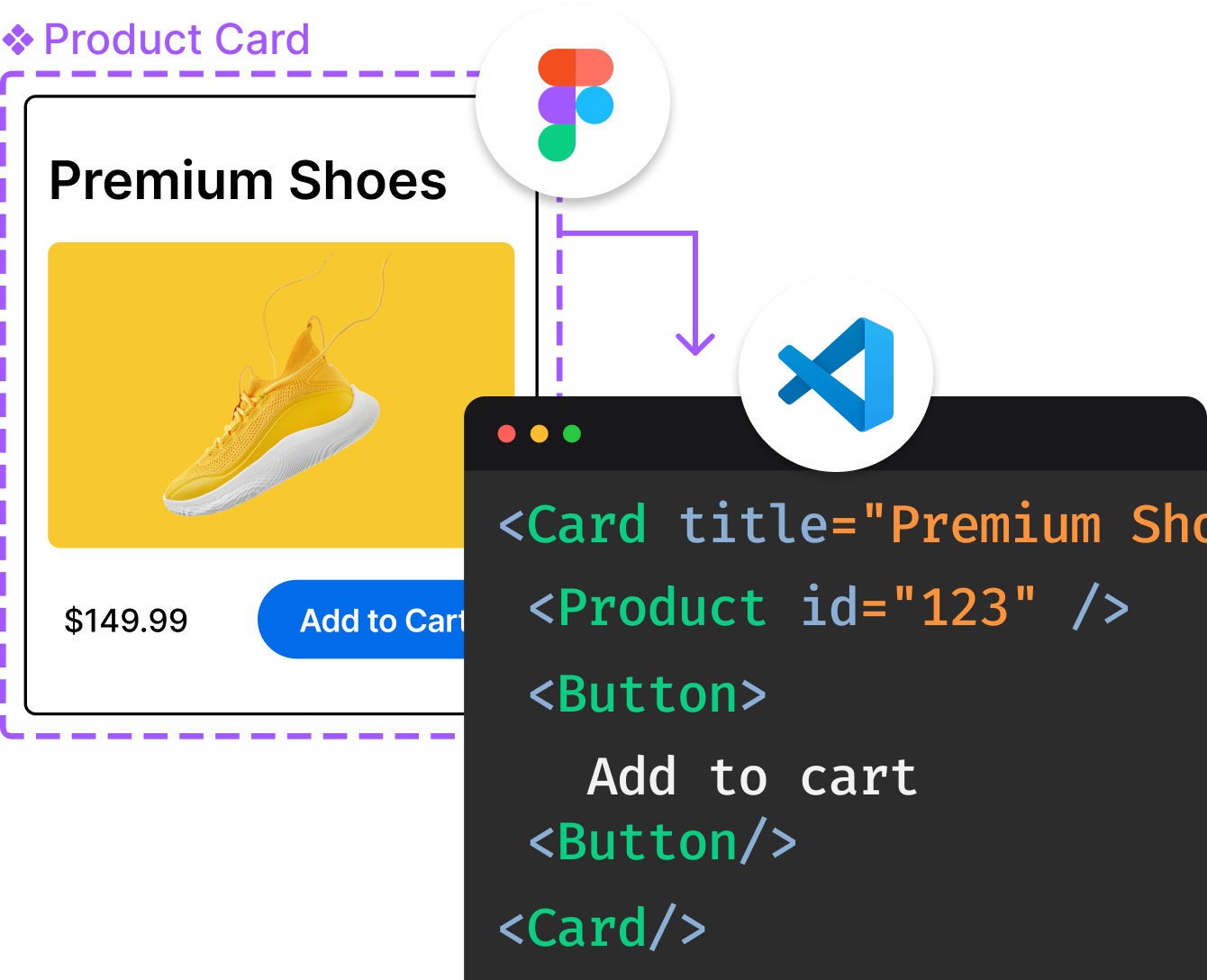
Introducing Visual Copilot: A new AI model to turn Figma designs to high quality code using your components.
Try Visual CopilotREADME

repo contents moved to my archive
Top Related Projects
Protect your data against global mass surveillance programs.
💡Limiting personal data leaks on the internet
Curated List of Privacy Respecting Services and Software
🔒 A compiled checklist of 300+ tips for protecting digital security and privacy in 2026
A list of Free Software network services and web applications which can be hosted on your own servers
Convert designs to code with AI
Introducing Visual Copilot: A new AI model to turn Figma designs to high quality code using your components.
Try Visual Copilot