 leetcode-master
《代码随想录》LeetCode 刷题攻略:200道经典题目刷题顺序,共60w字的详细图解,视频难点剖析,50余张思维导图,支持C++,Java,Python,Go,JavaScript等多语言版本,从此算法学习不再迷茫!🔥🔥 来看看,你会发现相见恨晚!🚀
Top Related Projects

LeetCode Problems' Solutions

Demonstrate all the questions on LeetCode in the form of animation.(用动画的形式呈现解LeetCode题目的思路,完整单步/回看/变速/语音讲解在 algomooc.com)

✅ Solutions to LeetCode by Go, 100% test coverage, runtime beats 100% | LeetCode 题解

Crack LeetCode, not only how, but also why.

Everything you need to know to get the job.
Quick Overview
LeetCode-Master is a comprehensive guide and resource repository for LeetCode problem-solving, focusing on data structures and algorithms. It provides detailed explanations, solutions, and learning paths for various coding interview questions, primarily in C++.
Pros
- Extensive coverage of LeetCode problems with detailed explanations
- Well-organized content with clear learning paths for different topics
- Includes both theoretical concepts and practical problem-solving approaches
- Active community and regular updates
Cons
- Primarily focused on C++, which may not be ideal for users of other programming languages
- Some explanations and comments are in Chinese, potentially limiting accessibility for non-Chinese speakers
- The large volume of content might be overwhelming for beginners
Getting Started
-
Clone the repository:
git clone https://github.com/youngyangyang04/leetcode-master.git -
Navigate to the desired topic or problem in the repository structure.
-
Read the README files for each section to understand the learning path and problem-solving strategies.
-
Study the provided solutions and explanations for each problem.
-
Practice solving problems on your own, referring to the guide when needed.
-
Join the community discussions and contribute your own solutions or improvements.
Competitor Comparisons
LeetCode Problems' Solutions
Pros of leetcode
- Offers solutions in multiple programming languages (C++, Python, Java, etc.)
- Includes detailed explanations and time/space complexity analysis for each solution
- Covers a wide range of LeetCode problems, including many hard-level questions
Cons of leetcode
- Less structured learning path compared to leetcode-master
- Lacks comprehensive categorization of problems by topic or difficulty
- May not provide as many beginner-friendly explanations or step-by-step guides
Code Comparison
leetcode (C++ solution for Two Sum):
vector<int> twoSum(vector<int>& nums, int target) {
    unordered_map<int, int> map;
    for (int i = 0; i < nums.size(); i++) {
        if (map.find(target - nums[i]) != map.end())
            return {map[target - nums[i]], i};
        map[nums[i]] = i;
    }
    return {};
}
leetcode-master (C++ solution for Two Sum):
class Solution {
public:
    vector<int> twoSum(vector<int>& nums, int target) {
        unordered_map<int, int> map;
        for (int i = 0; i < nums.size(); i++) {
            auto iter = map.find(target - nums[i]);
            if (iter != map.end()) {
                return {iter->second, i};
            }
            map.insert(pair<int, int>(nums[i], i));
        }
        return {};
    }
};
Both repositories provide similar solutions, but leetcode-master's code is wrapped in a class and uses slightly different syntax for map insertion.
Demonstrate all the questions on LeetCode in the form of animation.(用动画的形式呈现解LeetCode题目的思路,完整单步/回看/变速/语音讲解在 algomooc.com)
Pros of LeetCodeAnimation
- Provides animated visualizations of algorithms, making complex concepts easier to understand
- Offers solutions in multiple programming languages, catering to a wider audience
- Includes a variety of problem-solving approaches for each algorithm
Cons of LeetCodeAnimation
- Less comprehensive coverage of LeetCode problems compared to leetcode-master
- Animations may not be as helpful for advanced users who prefer text-based explanations
- Updates and new content are less frequent than leetcode-master
Code Comparison
LeetCodeAnimation (Python):
def twoSum(nums, target):
    hash_table = {}
    for i, num in enumerate(nums):
        if target - num in hash_table:
            return [hash_table[target - num], i]
        hash_table[num] = i
    return []
leetcode-master (C++):
class Solution {
public:
    vector<int> twoSum(vector<int>& nums, int target) {
        unordered_map<int, int> map;
        for (int i = 0; i < nums.size(); i++) {
            auto it = map.find(target - nums[i]);
            if (it != map.end()) {
                return {it->second, i};
            }
            map[nums[i]] = i;
        }
        return {};
    }
};
Both repositories offer valuable resources for learning and practicing LeetCode problems. LeetCodeAnimation excels in visual explanations, while leetcode-master provides more comprehensive coverage and frequent updates. The choice between the two depends on individual learning preferences and goals.
✅ Solutions to LeetCode by Go, 100% test coverage, runtime beats 100% | LeetCode 题解
Pros of LeetCode-Go
- Written in Go, offering solutions for developers focused on this language
- Includes detailed explanations and complexity analysis for each solution
- Provides a comprehensive set of LeetCode problems with well-organized categories
Cons of LeetCode-Go
- Limited to Go language, while leetcode-master covers multiple languages
- May not be as beginner-friendly as leetcode-master, which offers more step-by-step guidance
- Lacks the extensive problem-solving strategies and patterns found in leetcode-master
Code Comparison
LeetCode-Go (Go):
func twoSum(nums []int, target int) []int {
    m := make(map[int]int)
    for i, num := range nums {
        if j, ok := m[target-num]; ok {
            return []int{j, i}
        }
        m[num] = i
    }
    return nil
}
leetcode-master (C++):
class Solution {
public:
    vector<int> twoSum(vector<int>& nums, int target) {
        unordered_map<int, int> map;
        for (int i = 0; i < nums.size(); i++) {
            auto it = map.find(target - nums[i]);
            if (it != map.end()) {
                return {it->second, i};
            }
            map[nums[i]] = i;
        }
        return {};
    }
};
Both repositories offer high-quality LeetCode solutions, but they cater to different audiences. LeetCode-Go is ideal for Go developers seeking in-depth explanations, while leetcode-master provides a more comprehensive, multi-language approach with additional learning resources.
Crack LeetCode, not only how, but also why.
Pros of fucking-algorithm
- More comprehensive explanations of algorithms and data structures
- Covers a wider range of topics beyond just LeetCode problems
- Provides in-depth analysis and thought processes for problem-solving
Cons of fucking-algorithm
- Less frequently updated compared to leetcode-master
- Primarily written in Chinese, which may be a barrier for non-Chinese speakers
- Fewer problems covered overall
Code Comparison
leetcode-master:
class Solution {
public:
    vector<int> twoSum(vector<int>& nums, int target) {
        unordered_map<int, int> map;
        for (int i = 0; i < nums.size(); i++) {
            if (map.find(target - nums[i]) != map.end()) {
                return {map[target - nums[i]], i};
            }
            map[nums[i]] = i;
        }
        return {};
    }
};
fucking-algorithm:
vector<int> twoSum(vector<int>& nums, int target) {
    unordered_map<int, int> indices;
    for (int i = 0; i < nums.size(); i++) {
        int complement = target - nums[i];
        if (indices.count(complement)) {
            return {indices[complement], i};
        }
        indices[nums[i]] = i;
    }
    return {};
}
Both repositories provide high-quality content for algorithm learning, with leetcode-master focusing more on LeetCode problems and fucking-algorithm offering broader algorithmic insights. The choice between them depends on the user's language preference and specific learning goals.
Everything you need to know to get the job.
Pros of interviews
- Broader scope covering various CS topics beyond just LeetCode problems
- Includes system design and behavioral interview preparation
- Content in English, making it accessible to a wider international audience
Cons of interviews
- Less structured approach to problem-solving compared to leetcode-master
- Not as frequently updated as leetcode-master
- Lacks detailed explanations for each problem solution
Code Comparison
interviews:
public ListNode reverseList(ListNode head) {
    ListNode prev = null;
    while (head != null) {
        ListNode next = head.next;
        head.next = prev;
        prev = head;
        head = next;
    }
    return prev;
}
leetcode-master:
class Solution {
public:
    ListNode* reverseList(ListNode* head) {
        ListNode* temp;
        ListNode* cur = head;
        ListNode* pre = NULL;
        while(cur) {
            temp = cur->next;
            cur->next = pre;
            pre = cur;
            cur = temp;
        }
        return pre;
    }
};
Both repositories provide solutions to common coding interview problems, but leetcode-master offers a more structured approach with detailed explanations in Chinese. interviews covers a broader range of topics but with less depth in problem explanations. The code samples show similar approaches to reversing a linked list, with interviews using Java and leetcode-master using C++.
Convert  designs to code with AI
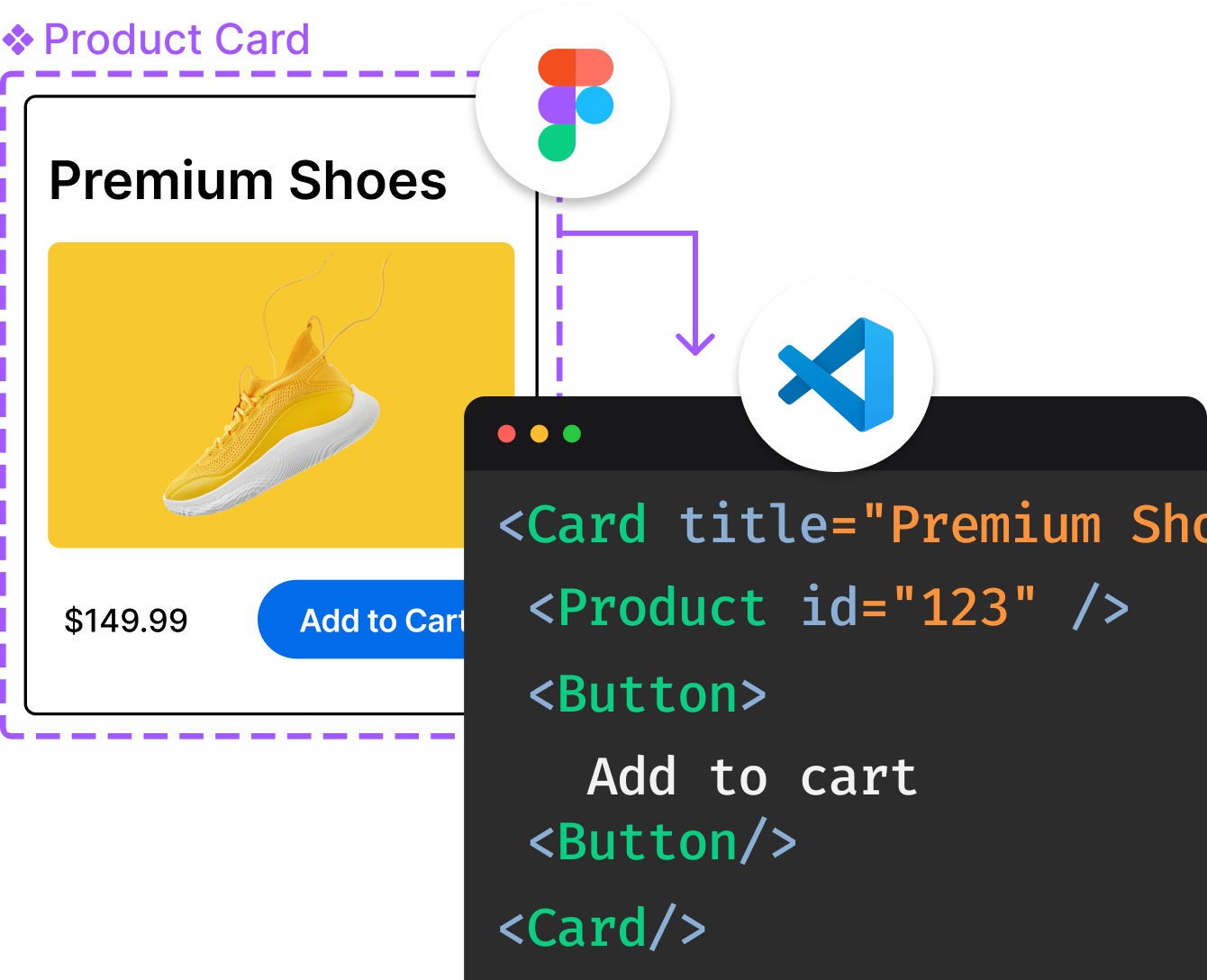
Introducing Visual Copilot: A new AI model to turn Figma designs to high quality code using your components.
Try Visual CopilotREADME
代ç éæ³å½ · LeetCode-Master
ð æµ·å¤è±æç · ðð¸ è±æä»åº · ð¨ð³ å½å å¨çº¿é 读 · ð¨ Gitee åæ¥




ä¸å¥ 循åºæ¸è¿ãå°èµ°å¼¯è·¯ çå·é¢è®¡åã é¢ç®å·²æç¥è¯èç»ä¸é¾åº¦ æ好顺åºï¼æ¯é¢é **å¾æé¢è§£ + è§é¢è®²è§£**ã éåä»é¶å°è¿é¶ãç³»ç»åææ¡æ°æ®ç»æä¸ç®æ³ã
ð å¿«éå ¥å£
- ð åºç书ç±ï¼ã代ç éæ³å½ã
- 𧾠PDF 精讲ï¼ç®æ³ç²¾è®² PDF
- ð¬ ç®æ³å ¬å¼è¯¾ï¼170æç¡¬æ ¸è§é¢
- ð§ **å¡ç ç¬è®°**ï¼æå¼ºå «è¡æ
- ð¥ å¦ä¹ 社åºï¼é¡¹ç® / é¢ç» / å¦ä¹ æ¹æ³ / é¢è¯æå·§ â å å ¥ ã代ç éæ³å½ãç¥è¯æç
- ð¤ **åä¸è´¡ç®**ï¼æ¬ä»è®²è§£ä»¥ C++ 为主ï¼å« Java / Python / Go / JS å¤è¯è¨å®ç°ãæ³ç¹äº®å¤´å ð å¦ä½æ交代ç · è´è°¢è´¡ç®è
- ð¢ **转载须ç¥**ï¼å ¨é¨ä¸ºååï¼å¼ç¨è¯·æ 注æ¥æºï¼æ¶ææ¬è¿å°ä¾æ³ç»´æã
ð 为ä»ä¹éè¿å¥å·é¢è·¯çº¿ï¼
- **ä¸åæµ·éé¢ç®ï¼README å°±æ¯å·é¢è·¯çº¿ï¼æ顺åºå·**å³å¯ã
- å ¨é¾è·¯å¦ä¹ ä½éªï¼æ¯ä¸ªä¸é¢å«ãç论åºç¡ â å®æé¢ç® â æ»ç»å¤çãã
- ç»å ¸é«é¢å¿ ä¼ï¼é¢ç®å为é«é¢é¢è¯é¢ä¸å ¸åèç¹ã
- å¤è¯è¨è¦çï¼é¤ C++ 主线ï¼è¿æ社åºè´¡ç®çå¤è¯è¨å®ç°ã

ð å¦ä½ä½¿ç¨æ¬æ»ç¥
- ä»å¤´å¼å§ï¼æ模å顺åºãæ°ç» â é¾è¡¨ â åå¸è¡¨ â ⦠â å¾è®ºãã
- **带çé®é¢å¦**ï¼æ¯ä¸ªæ¨¡åå çãç论åºç¡ãï¼åå·å¯¹åºé¢åã
- åæ¶å¤çï¼å·å®ä¸ä¸ªæ¨¡åï¼é 读ãæ»ç»ç¯ãï¼å½¢æ**ç¥è¯éç¯**ã
- è¯è¨ä¸è®¾éï¼é¢è§£ä»¥ C++ 讲解为主ï¼é å¤è¯è¨ä»£ç ï¼æè·¯éç¨ã
**建议**ï¼æ°æå å·ãæ°ç»/é¾è¡¨/åå¸/å符串ãï¼åè¿é¶å°ãäºåæ /å溯/è´ªå¿/å¨æè§å/å¾è®ºãã
ð§ å·é¢æ»ç®å½ï¼å¯æå ï¼
å·²æ ¹æ®å¦ä¹ æ²çº¿ä¼åæåºï¼ä¸æ¹ä» å±ç¤ºæ¯ç« åè¥å¹²é¢ç®ï¼å®æ´æ¸ å请å±å¼æ¥çã
ååº Â· æåºç¡
-
å项ç®ï¼å¤ä¸ªC++ãJavaãGoãå端ãæµå¼é¡¹ç®ï¼
-
ç¼ç¨è¯è¨
-
å·¥å ·
-
æ±è
-
ç®æ³æ§è½åæ
- å ³äºæ¶é´å¤æ度ï¼ä½ ä¸ç¥éçé½å¨è¿éï¼
- O(n)çç®æ³å± ç¶è¶ æ¶äºï¼æ¤æ¶çn究ç«æ¯å¤å¤§ï¼
- éè¿ä¸éé¢è¯é¢ç®ï¼è®²ä¸è®²éå½ç®æ³çæ¶é´å¤æ度ï¼
- å ³äºç©ºé´å¤æ度ï¼å¯è½æå 个çé®ï¼
- éå½ç®æ³çæ¶é´ä¸ç©ºé´å¤æ度åæï¼
- å·äºè¿ä¹å¤é¢ï¼ä½ äºè§£èªå·±ä»£ç çå åæ¶èä¹ï¼
æ°ç»
é¾è¡¨
åå¸è¡¨
- å ³äºåå¸è¡¨ï¼ä½ 该äºè§£è¿äºï¼
- åå¸è¡¨ï¼242.ææçåæ¯å¼ä½è¯
- åå¸è¡¨ï¼1002.æ¥æ¾å¸¸ç¨å符
- åå¸è¡¨ï¼349.两个æ°ç»ç交é
- åå¸è¡¨ï¼202.å¿«ä¹æ°
- åå¸è¡¨ï¼1.两æ°ä¹å
- åå¸è¡¨ï¼454.åæ°ç¸å II
- åå¸è¡¨ï¼383.èµéä¿¡
- åå¸è¡¨ï¼15.ä¸æ°ä¹å
- åæéæ³ï¼18.åæ°ä¹å
- åå¸è¡¨ï¼æ»ç»ç¯ï¼
å符串
åæéæ³
åæéæ³åºæ¬é½æ¯åºç¨å¨æ°ç»ï¼å符串ä¸é¾è¡¨çé¢ç®ä¸
- æ°ç»ï¼27.移é¤å ç´
- å符串ï¼344.å转å符串
- å符串ï¼æ¿æ¢æ°å
- å符串ï¼151.翻转å符串éçåè¯
- é¾è¡¨ï¼206.翻转é¾è¡¨
- é¾è¡¨ï¼19.å é¤é¾è¡¨çåæ°ç¬¬ N 个ç»ç¹
- é¾è¡¨ï¼é¾è¡¨ç¸äº¤
- é¾è¡¨ï¼142.ç¯å½¢é¾è¡¨
- åæéï¼15.ä¸æ°ä¹å
- åæéï¼18.åæ°ä¹å
- åæéï¼æ»ç»ç¯ï¼
æ ä¸éå
- æ ä¸éåï¼ç论åºç¡
- æ ä¸éåï¼232.ç¨æ å®ç°éå
- æ ä¸éåï¼225.ç¨éåå®ç°æ
- æ ä¸éåï¼20.ææçæ¬å·
- æ ä¸éåï¼1047.å é¤å符串ä¸çææç¸é»éå¤é¡¹
- æ ä¸éåï¼150.éæ³¢å °è¡¨è¾¾å¼æ±å¼
- æ ä¸éåï¼239.æ»å¨çªå£æ大å¼
- æ ä¸éåï¼347.åK个é«é¢å ç´
- æ ä¸éåï¼æ»ç»ç¯ï¼
äºåæ
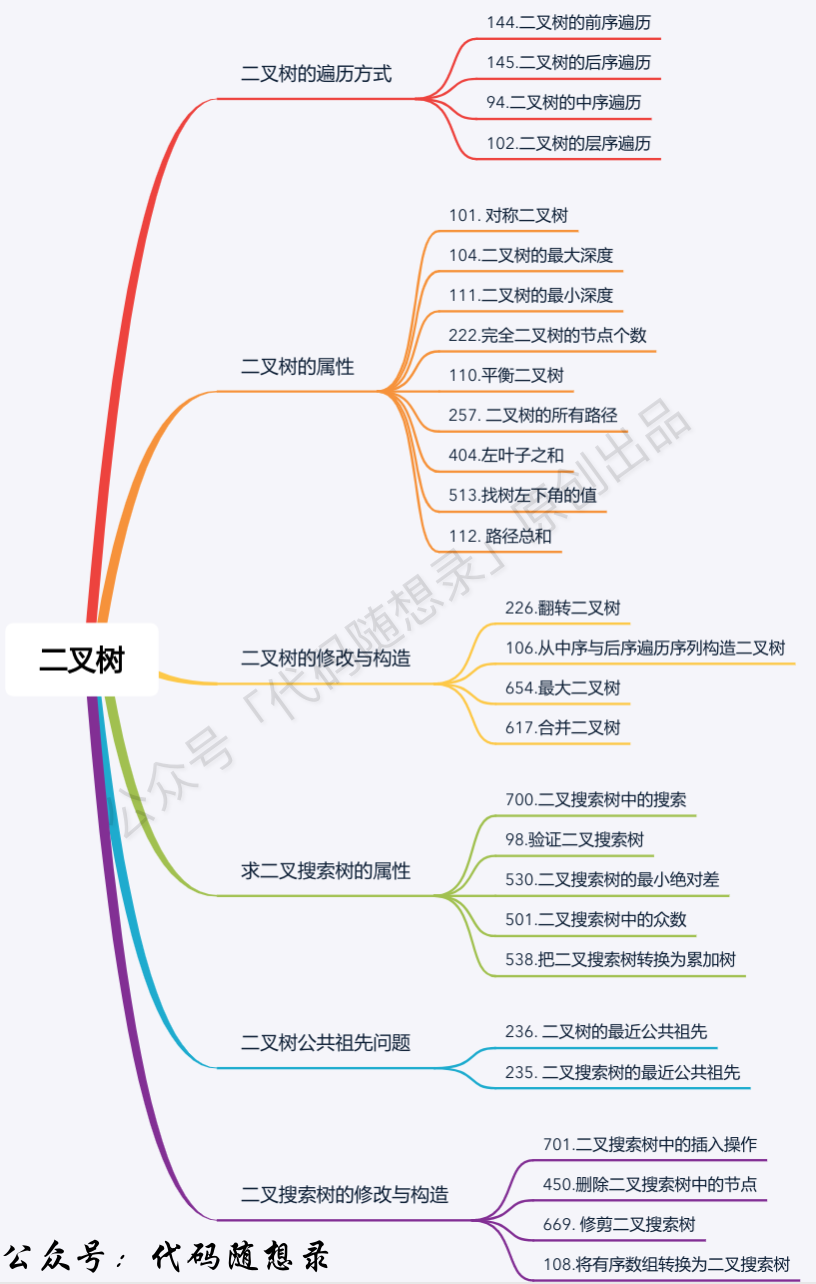
é¢ç®å类大纲å¦ä¸ï¼
- å ³äºäºåæ ï¼ä½ 该äºè§£è¿äºï¼
- äºåæ ï¼äºåæ çéå½éå
- äºåæ ï¼äºåæ çè¿ä»£éå
- äºåæ ï¼äºåæ çç»ä¸è¿ä»£æ³
- äºåæ ï¼äºåæ çå±åºéå
- äºåæ ï¼226.翻转äºåæ
- æ¬å¨å°ç»ï¼ï¼äºåæ ï¼
- äºåæ ï¼101.对称äºåæ
- äºåæ ï¼104.äºåæ çæ大深度
- äºåæ ï¼111.äºåæ çæå°æ·±åº¦
- äºåæ ï¼222.å®å ¨äºåæ çèç¹ä¸ªæ°
- äºåæ ï¼110.平衡äºåæ
- äºåæ ï¼257.äºåæ çææè·¯å¾
- æ¬å¨æ»ç»ï¼ï¼äºåæ ï¼
- äºåæ ï¼404.å·¦å¶åä¹å
- äºåæ ï¼513.æ¾æ å·¦ä¸è§çå¼
- äºåæ ï¼112.è·¯å¾æ»å
- äºåæ ï¼106.æé äºåæ
- äºåæ ï¼654.æ大äºåæ
- æ¬å¨å°ç»ï¼ï¼äºåæ ï¼
- äºåæ ï¼617.å并两个äºåæ
- äºåæ ï¼700.äºåæç´¢æ ç»åºï¼
- äºåæ ï¼98.éªè¯äºåæç´¢æ
- äºåæ ï¼530.æç´¢æ çæå°ç»å¯¹å·®
- äºåæ ï¼501.äºåæç´¢æ ä¸çä¼æ°
- äºåæ ï¼236.å ¬å ±ç¥å é®é¢
- æ¬å¨å°ç»ï¼ï¼äºåæ ï¼
- äºåæ ï¼235.æç´¢æ çæè¿å ¬å ±ç¥å
- äºåæ ï¼701.æç´¢æ ä¸çæå ¥æä½
- äºåæ ï¼450.æç´¢æ ä¸çå é¤æä½
- äºåæ ï¼669.ä¿®åªäºåæç´¢æ
- äºåæ ï¼108.å°æåºæ°ç»è½¬æ¢ä¸ºäºåæç´¢æ
- äºåæ ï¼538.æäºåæç´¢æ 转æ¢ä¸ºç´¯å æ
- äºåæ ï¼æ»ç»ç¯ï¼ï¼éè¦ææ¡çäºåæ æè½é½å¨è¿éäºï¼
å溯ç®æ³
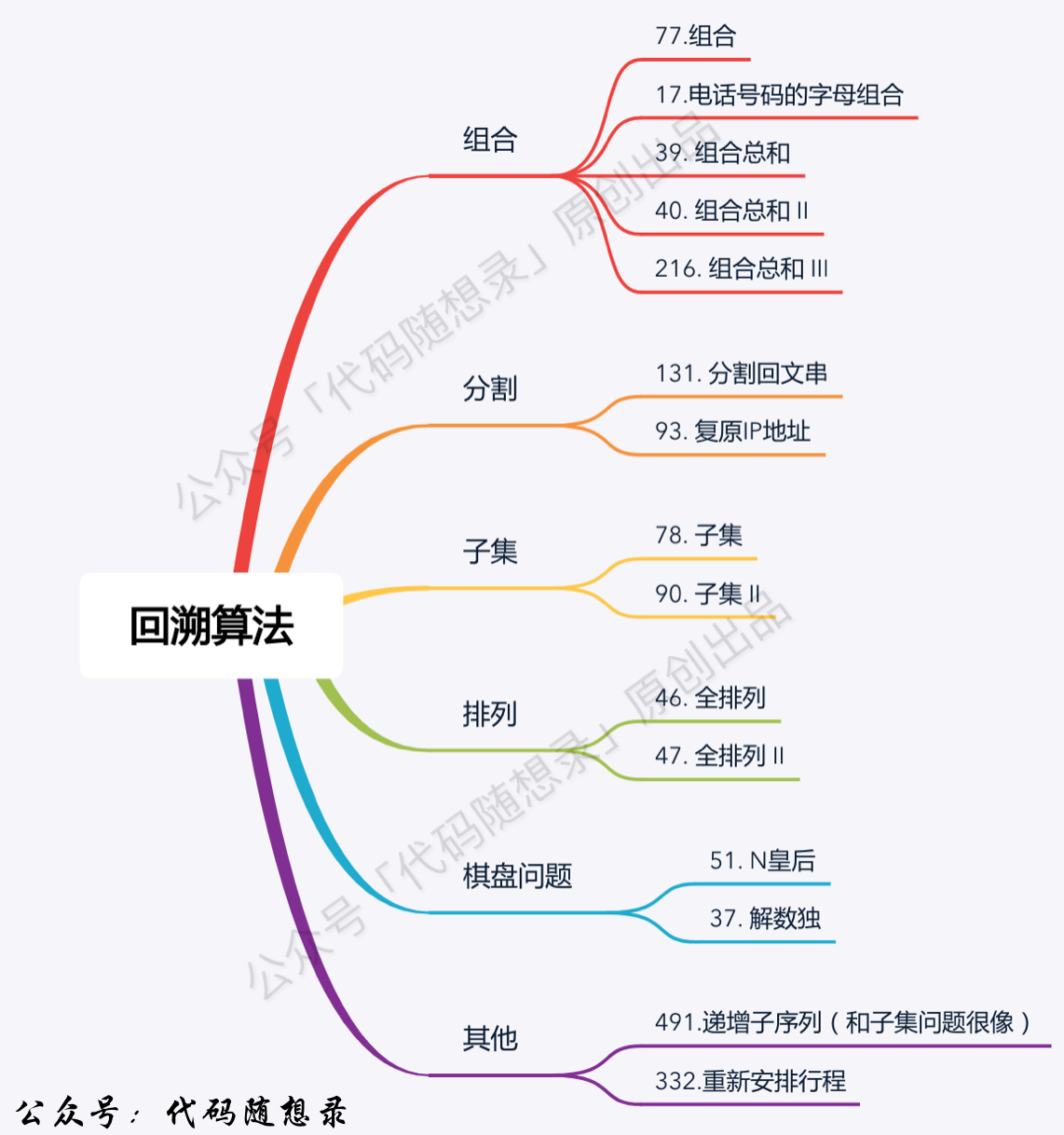
- å ³äºå溯ç®æ³ï¼ä½ 该äºè§£è¿äºï¼
- å溯ç®æ³ï¼77.ç»å
- å溯ç®æ³ï¼77.ç»åä¼å
- å溯ç®æ³ï¼216.ç»åæ»åIII
- å溯ç®æ³ï¼17.çµè¯å·ç çåæ¯ç»å
- æ¬å¨å°ç»ï¼ï¼å溯ç®æ³ç³»åä¸ï¼
- å溯ç®æ³ï¼39.ç»åæ»å
- å溯ç®æ³ï¼40.ç»åæ»åII
- å溯ç®æ³ï¼131.åå²åæ串
- å溯ç®æ³ï¼93.å¤åIPå°å
- å溯ç®æ³ï¼78.åé
- æ¬å¨å°ç»ï¼ï¼å溯ç®æ³ç³»åäºï¼
- å溯ç®æ³ï¼90.åéII
- å溯ç®æ³ï¼491.éå¢ååºå
- å溯ç®æ³ï¼46.å ¨æå
- å溯ç®æ³ï¼47.å ¨æåII
- æ¬å¨å°ç»ï¼ï¼å溯ç®æ³ç³»åä¸ï¼
- å溯ç®æ³å»éé®é¢çå¦ä¸ç§åæ³
- å溯ç®æ³ï¼332.éæ°å®æè¡ç¨
- å溯ç®æ³ï¼51.Nçå
- å溯ç®æ³ï¼37.解æ°ç¬
- å溯ç®æ³æ»ç»ç¯
è´ªå¿ç®æ³
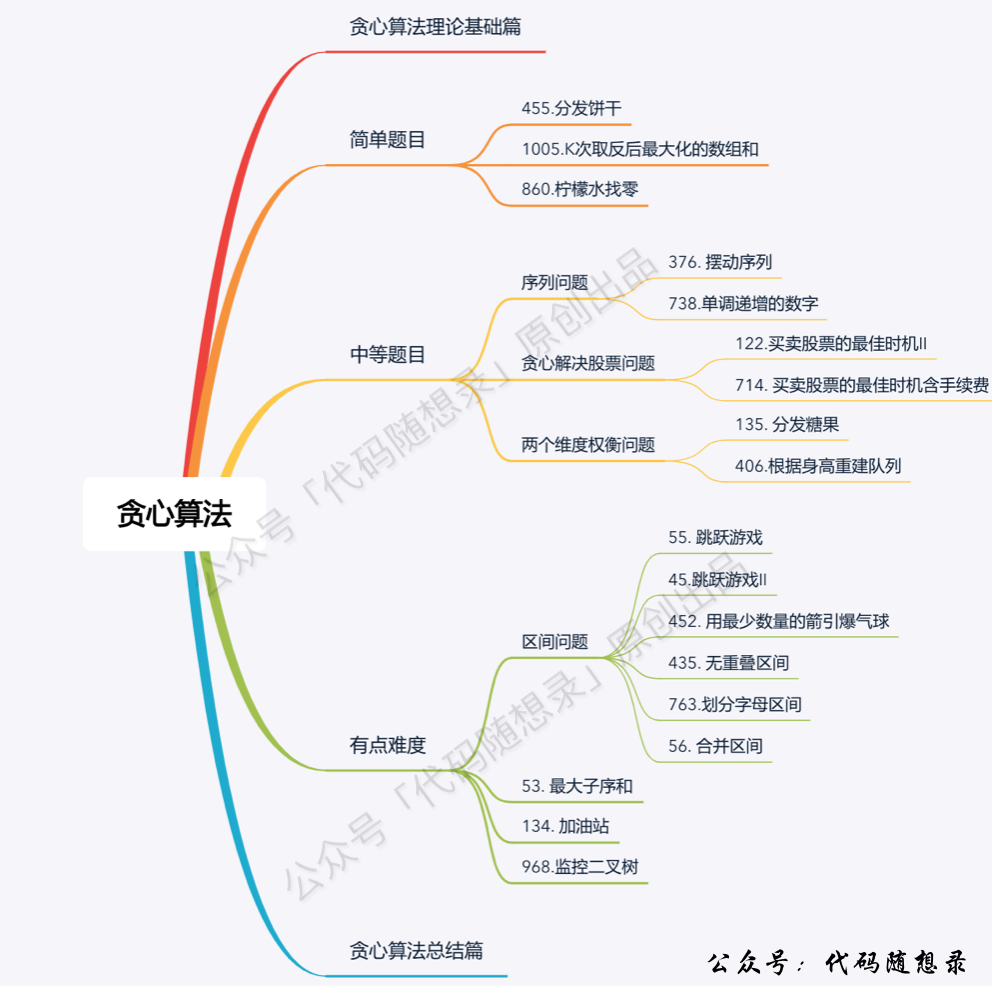
- å ³äºè´ªå¿ç®æ³ï¼ä½ 该äºè§£è¿äºï¼
- è´ªå¿ç®æ³ï¼455.åå饼干
- è´ªå¿ç®æ³ï¼376.æå¨åºå
- è´ªå¿ç®æ³ï¼53.æ大ååºå
- æ¬å¨å°ç»ï¼ï¼è´ªå¿ç®æ³ç³»åä¸ï¼
- è´ªå¿ç®æ³ï¼122.ä¹°åè¡ç¥¨çæä½³æ¶æºII
- è´ªå¿ç®æ³ï¼55.è·³è·æ¸¸æ
- è´ªå¿ç®æ³ï¼45.è·³è·æ¸¸æII
- è´ªå¿ç®æ³ï¼1005.K次åååæ大åçæ°ç»å
- æ¬å¨å°ç»ï¼ï¼è´ªå¿ç®æ³ç³»åäºï¼
- è´ªå¿ç®æ³ï¼134.å æ²¹ç«
- è´ªå¿ç®æ³ï¼135.ååç³æ
- è´ªå¿ç®æ³ï¼860.æ 檬水æ¾é¶
- è´ªå¿ç®æ³ï¼406.æ ¹æ®èº«é«é建éå
- æ¬å¨å°ç»ï¼ï¼è´ªå¿ç®æ³ç³»åä¸ï¼
- è´ªå¿ç®æ³ï¼406.æ ¹æ®èº«é«é建éåï¼ç»éï¼
- è´ªå¿ç®æ³ï¼452.ç¨æå°æ°éçç®å¼çæ°ç
- è´ªå¿ç®æ³ï¼435.æ éå åºé´
- è´ªå¿ç®æ³ï¼763.åååæ¯åºé´
- è´ªå¿ç®æ³ï¼56.å并åºé´
- æ¬å¨å°ç»ï¼ï¼è´ªå¿ç®æ³ç³»ååï¼
- è´ªå¿ç®æ³ï¼738.åè°éå¢çæ°å
- è´ªå¿ç®æ³ï¼968.çæ§äºåæ
- è´ªå¿ç®æ³ï¼æ»ç»ç¯ï¼ï¼æ¯é¢æ»ç»å¿ ç»å ¸ï¼
å¨æè§å
å¨æè§åä¸é¢å·²ç»å¼å§å¦ï¼æ¥ä¸å解éäºï¼å°ä¼ä¼´ä»¬ä¸è½¦å«æéï¼

- å ³äºå¨æè§åï¼ä½ 该äºè§£è¿äºï¼
- å¨æè§åï¼509.ææ³¢é£å¥æ°
- å¨æè§åï¼70.ç¬æ¥¼æ¢¯
- å¨æè§åï¼746.使ç¨æå°è±è´¹ç¬æ¥¼æ¢¯
- æ¬å¨å°ç»ï¼ï¼å¨æè§åç³»åä¸ï¼
- å¨æè§åï¼62.ä¸åè·¯å¾
- å¨æè§åï¼63.ä¸åè·¯å¾II
- å¨æè§åï¼343.æ´æ°æå
- å¨æè§åï¼96.ä¸åçäºåæç´¢æ
- æ¬å¨å°ç»ï¼ï¼å¨æè§åç³»åäºï¼
èå é®é¢ç³»åï¼

- å¨æè§åï¼01èå ç论åºç¡ï¼äºç»´dpæ°ç»ï¼
- å¨æè§åï¼01èå ç论åºç¡ï¼ä¸ç»´dpæ°ç»ï¼
- å¨æè§åï¼416.åå²çååé
- å¨æè§åï¼1049.æåä¸åç³å¤´çééII
- æ¬å¨å°ç»ï¼ï¼å¨æè§åç³»åä¸ï¼
- å¨æè§åï¼494.ç®æ å
- å¨æè§åï¼474.ä¸åé¶
- å¨æè§åï¼å®å ¨èå ç论åºç¡ï¼äºç»´dpæ°ç»ï¼
- å¨æè§åï¼å®å ¨èå ç论åºç¡ï¼ä¸ç»´dpæ°ç»ï¼
- å¨æè§åï¼518.é¶é±å æ¢II
- æ¬å¨å°ç»ï¼ï¼å¨æè§åç³»ååï¼
- å¨æè§åï¼377.ç»åæ»åâ £
- å¨æè§åï¼70.ç¬æ¥¼æ¢¯ï¼å®å ¨èå çæ¬ï¼
- å¨æè§åï¼322.é¶é±å æ¢
- å¨æè§åï¼279.å®å ¨å¹³æ¹æ°
- æ¬å¨å°ç»ï¼ï¼å¨æè§åç³»åäºï¼
- å¨æè§åï¼139.åè¯æå
- å¨æè§åï¼å¤éèå ç论åºç¡
- èå é®é¢æ»ç»ç¯
æ家å«èç³»åï¼
- å¨æè§åï¼198.æ家å«è
- å¨æè§åï¼213.æ家å«èII
- å¨æè§åï¼337.æ家å«èIII
è¡ç¥¨ç³»åï¼

- å¨æè§åï¼121.ä¹°åè¡ç¥¨çæä½³æ¶æº
- å¨æè§åï¼æ¬å¨å°ç»ï¼ç³»åå ï¼
- å¨æè§åï¼122.ä¹°åè¡ç¥¨çæä½³æ¶æºII
- å¨æè§åï¼123.ä¹°åè¡ç¥¨çæä½³æ¶æºIII
- å¨æè§åï¼188.ä¹°åè¡ç¥¨çæä½³æ¶æºIV
- å¨æè§åï¼309.æ佳买åè¡ç¥¨æ¶æºå«å·å»æ
- å¨æè§åï¼æ¬å¨å°ç»ï¼ç³»åä¸ï¼
- å¨æè§åï¼714.ä¹°åè¡ç¥¨çæä½³æ¶æºå«æç»è´¹
- å¨æè§åï¼è¡ç¥¨ç³»åæ»ç»ç¯
ååºåç³»åï¼

- å¨æè§åï¼300.æé¿éå¢ååºå
- å¨æè§åï¼674.æé¿è¿ç»éå¢åºå
- å¨æè§åï¼718.æé¿éå¤åæ°ç»
- å¨æè§åï¼1143.æé¿å ¬å ±ååºå
- å¨æè§åï¼1035.ä¸ç¸äº¤ç线
- å¨æè§åï¼53.æ大ååºå
- å¨æè§åï¼392.å¤æååºå
- å¨æè§åï¼115.ä¸åçååºå
- å¨æè§åï¼583.两个å符串çå é¤æä½
- å¨æè§åï¼72.ç¼è¾è·ç¦»
- ç¼è¾è·ç¦»æ»ç»ç¯
- å¨æè§åï¼647.åæå串
- å¨æè§åï¼516.æé¿åæååºå
- å¨æè§åæ»ç»ç¯
åè°æ
å¾è®º
- å¾è®ºï¼ç论åºç¡
- å¾è®ºï¼æ·±åº¦ä¼å æç´¢ç论åºç¡
- å¾è®ºï¼ææå¯è¾¾è·¯å¾
- å¾è®ºï¼å¹¿åº¦ä¼å æç´¢ç论åºç¡
- å¾è®ºï¼å²å±¿æ°é.æ·±æç
- å¾è®ºï¼å²å±¿æ°é.广æç
- å¾è®ºï¼å²å±¿çæ大é¢ç§¯
- å¾è®ºï¼å¤å²çæ»é¢ç§¯
- å¾è®ºï¼æ²æ²¡å¤å²
- å¾è®ºï¼æ°´æµé®é¢
- å¾è®ºï¼å»ºé æ大å²å±¿
- å¾è®ºï¼å²å±¿çå¨é¿
- å¾è®ºï¼å符串æ¥é¾
- å¾è®ºï¼æåå¾çå®å ¨å¯è¾¾æ§
- å¾è®ºï¼å¹¶æ¥éç论åºç¡
- å¾è®ºï¼å¯»æ¾åå¨çè·¯å¾
- å¾è®ºï¼åä½è¿æ¥
- å¾è®ºï¼åä½è¿æ¥II
- å¾è®ºï¼æå°çææ ä¹prim
- å¾è®ºï¼æå°çææ ä¹kruskal
- å¾è®ºï¼æææåº
- å¾è®ºï¼dijkstraï¼æ´ç´ çï¼
- å¾è®ºï¼dijkstraï¼å ä¼åçï¼
- å¾è®ºï¼Bellman_ford ç®æ³
- å¾è®ºï¼Bellman_ford éåä¼åç®æ³ï¼ååSPFAï¼
- å¾è®ºï¼Bellman_fordä¹å¤æè´æåè·¯
- å¾è®ºï¼Bellman_fordä¹åæºæéæçè·¯
- å¾è®ºï¼Floyd ç®æ³
- å¾è®ºï¼A * ç®æ³
- å¾è®ºï¼æçè·¯ç®æ³æ»ç»ç¯
- å¾è®ºï¼å¾è®ºæ»ç»ç¯
𧩠ç®æ³æ¨¡æ¿
ð åä¸è´¡ç®
- 欢è¿æ交 **é¢è§£ä¿®è®¢ / å¤è¯è¨å®ç° / ææ¡£å误 / æ°å¢ç»ä¹ **
- 请å é 读ï¼å¦ä½æ交ä¸åä½
- è´è°¢ææè´¡ç®è â Contributors
â Star è¶å¿
ð¨âð» å ³äºä½è
大家好ï¼ææ¯ ç¨åºå Carlï¼å工大å¸å ï¼å åå¨è ¾è®¯ãç¾åº¦ä»äºå端ä¸åºå±ææ¯ç åï¼èæã代ç éæ³å½ãã
ð¥ PDF ä¸è½½ä¸å¦ä¹ 群
æ·»å ä¸æ¹ä¼ä¸å¾®ä¿¡ï¼èªå¨è·å PDF 精讲ï¼å¹¶å¯éæ©å å ¥å·é¢ç¾¤ï¼
å¤æ³¨æ ¼å¼
- å¨èï¼å§å-åå¸-å²ä½
- å¦çï¼å§å-å¦æ ¡-年级ï¼æ å¤æ³¨ä¸éè¿ï¼

ð çæ说æ
- æ¬ä»åºææå 容å为ååï¼å¼ç¨é **注æåºå¤ä¸é¾æ¥**ã
- 严ç¦æ¶ææ¬è¿ä¸æ´ç¨¿ï¼ä¾µæå¿ ç©¶ã
Top Related Projects
LeetCode Problems' Solutions
Demonstrate all the questions on LeetCode in the form of animation.(用动画的形式呈现解LeetCode题目的思路,完整单步/回看/变速/语音讲解在 algomooc.com)
✅ Solutions to LeetCode by Go, 100% test coverage, runtime beats 100% | LeetCode 题解
Crack LeetCode, not only how, but also why.
Everything you need to know to get the job.
Convert designs to code with AI
Introducing Visual Copilot: A new AI model to turn Figma designs to high quality code using your components.
Try Visual Copilot