 azureml-examples
Official community-driven Azure Machine Learning examples, tested with GitHub Actions.
Top Related Projects

MLOps examples

Machine Learning Toolkit for Kubernetes

The open source AI engineering platform for agents, LLMs, and ML models. MLflow enables teams of all sizes to debug, evaluate, monitor, and optimize production-quality AI applications while controlling costs and managing access to models and data.

TFX is an end-to-end platform for deploying production ML pipelines

Tensors and Dynamic neural networks in Python with strong GPU acceleration

A library for training and deploying machine learning models on Amazon SageMaker
Quick Overview
Azure/azureml-examples is a GitHub repository containing official examples for Azure Machine Learning. It provides a comprehensive collection of notebooks, scripts, and workflows demonstrating various features and capabilities of Azure ML, including model training, deployment, and MLOps practices.
Pros
- Extensive collection of up-to-date examples covering a wide range of Azure ML scenarios
- Well-organized structure with separate directories for different types of examples (notebooks, CLI, SDK)
- Regularly maintained and updated by Microsoft Azure team
- Includes examples for both beginners and advanced users
Cons
- Large repository size may be overwhelming for new users
- Some examples may require specific Azure resources or configurations
- Documentation could be more detailed for certain complex scenarios
- Limited coverage of some niche or specialized use cases
Code Examples
Here are a few short code examples from the repository:
- Creating an Azure ML workspace using the Python SDK v2:
from azure.ai.ml import MLClient
from azure.identity import DefaultAzureCredential

ml_client = MLClient(
    DefaultAzureCredential(),
    subscription_id="<SUBSCRIPTION_ID>",
    resource_group_name="<RESOURCE_GROUP>",
    workspace_name="<AML_WORKSPACE_NAME>",
)
- Submitting a job using the CLI v2:
az ml job create --file job.yml
- Registering a model using the Python SDK v2:
from azure.ai.ml.entities import Model

model = Model(
    path="model.pkl",
    type="custom_model",
    name="sklearn-iris",
    description="A simple scikit-learn model trained on the iris dataset.",
)
ml_client.models.create_or_update(model)
Getting Started
To get started with Azure/azureml-examples:
-
Clone the repository:
git clone https://github.com/Azure/azureml-examples.git cd azureml-examples -
Set up your Azure ML workspace and configure your credentials.
-
Install the required dependencies:
pip install -r requirements.txt -
Navigate to the desired example directory and follow the instructions in the README or notebook.
Competitor Comparisons
MLOps examples
Pros of MLOps
- Broader scope covering MLOps practices beyond just Azure ML
- More comprehensive documentation and guides for enterprise-scale ML workflows
- Includes templates for various cloud platforms and ML frameworks
Cons of MLOps
- Less focused on Azure-specific implementations
- Fewer ready-to-run examples compared to azureml-examples
- May require more setup and configuration for Azure-specific use cases
Code Comparison
MLOps (infrastructure as code example):
resources:
  - type: Microsoft.MachineLearningServices/workspaces
    name: mlworkspace
    location: eastus
    properties:
      friendlyName: ML Workspace
azureml-examples (Azure ML SDK usage):
from azureml.core import Workspace

ws = Workspace.create(name='myworkspace',
                      subscription_id='<azure-subscription-id>',
                      resource_group='myresourcegroup',
                      create_resource_group=True,
                      location='eastus')
Both repositories provide valuable resources for ML practitioners, with MLOps offering a broader MLOps perspective and azureml-examples focusing more on Azure-specific implementations and examples.
Machine Learning Toolkit for Kubernetes
Pros of Kubeflow
- Open-source and cloud-agnostic, allowing deployment on any Kubernetes cluster
- Comprehensive ML platform with integrated tools for the entire ML lifecycle
- Large community and ecosystem with extensive documentation and support
Cons of Kubeflow
- Steeper learning curve, requiring Kubernetes expertise
- More complex setup and maintenance compared to managed solutions
- May require additional configuration for enterprise-grade security features
Code Comparison
azureml-examples:
from azureml.core import Workspace, Experiment, ScriptRunConfig

ws = Workspace.from_config()
experiment = Experiment(workspace=ws, name="my-experiment")
src = ScriptRunConfig(source_directory=".", script="train.py")
run = experiment.submit(src)
Kubeflow:
apiVersion: "kubeflow.org/v1"
kind: TFJob
metadata:
  name: tfjob-example
spec:
  tfReplicaSpecs:
    Worker:
      replicas: 1
      template:
        spec:
          containers:
            - name: tensorflow
              image: tensorflow/tensorflow:2.3.0
The azureml-examples code shows Python SDK usage for Azure ML, while Kubeflow uses YAML for defining ML jobs on Kubernetes.
The open source AI engineering platform for agents, LLMs, and ML models. MLflow enables teams of all sizes to debug, evaluate, monitor, and optimize production-quality AI applications while controlling costs and managing access to models and data.
Pros of MLflow
- Platform-agnostic, can be used with various cloud providers or on-premises
- Extensive support for different ML frameworks and libraries
- Open-source with a large community and ecosystem
Cons of MLflow
- Requires more setup and configuration compared to Azure ML's integrated environment
- Less native integration with Azure services and infrastructure
- May require additional tools for advanced enterprise features
Code Comparison
MLflow tracking example:
import mlflow

mlflow.start_run()
mlflow.log_param("param1", 5)
mlflow.log_metric("accuracy", 0.85)
mlflow.end_run()
Azure ML SDK example:
from azureml.core import Experiment, Run

run = Run.get_context()
run.log("param1", 5)
run.log("accuracy", 0.85)
Both examples demonstrate logging parameters and metrics, but Azure ML's approach is more tightly integrated with its ecosystem, while MLflow offers a more generic solution that can be used across different platforms.
TFX is an end-to-end platform for deploying production ML pipelines
Pros of TFX
- Comprehensive end-to-end ML pipeline framework specifically designed for TensorFlow
- Robust production-ready components for data validation, model analysis, and serving
- Seamless integration with TensorFlow ecosystem and Google Cloud Platform
Cons of TFX
- Steeper learning curve due to its complexity and TensorFlow-specific design
- Less flexibility for non-TensorFlow models or custom ML workflows
- More limited cloud platform support compared to Azure ML's multi-cloud approach
Code Comparison
azureml-examples:
from azureml.core import Workspace, Experiment, Environment, ScriptRunConfig

ws = Workspace.from_config()
experiment = Experiment(workspace=ws, name="my-experiment")
env = Environment.from_conda_specification("myenv", "environment.yml")
src = ScriptRunConfig(source_directory=".", script="train.py", environment=env)
run = experiment.submit(src)
TFX:
import tfx.v1 as tfx
from tfx.orchestration.beam.beam_dag_runner import BeamDagRunner

pipeline = tfx.dsl.Pipeline(
    pipeline_name="my_pipeline",
    pipeline_root="/tmp/tfx_pipeline_output",
    components=[
        example_gen, statistics_gen, schema_gen, validator, trainer, model_analyzer, pusher
    ],
    enable_cache=True
)

BeamDagRunner().run(pipeline)
Tensors and Dynamic neural networks in Python with strong GPU acceleration
Pros of pytorch
- Broader scope and functionality for deep learning and AI
- Larger community and more extensive documentation
- More flexible and customizable for advanced research
Cons of pytorch
- Steeper learning curve for beginners
- Less integrated with cloud services and MLOps workflows
- Requires more setup and configuration for deployment
Code Comparison
pytorch:
import torch

# Define a simple neural network
class Net(torch.nn.Module):
    def __init__(self):
        super(Net, self).__init__()
        self.fc = torch.nn.Linear(10, 5)

    def forward(self, x):
        return self.fc(x)
azureml-examples:
from azureml.core import Workspace, Experiment, ScriptRunConfig

# Set up Azure ML workspace and experiment
ws = Workspace.from_config()
exp = Experiment(workspace=ws, name="my-experiment")

# Configure and submit a run
src = ScriptRunConfig(source_directory=".", script="train.py")
run = exp.submit(src)
The pytorch example showcases defining a neural network, while the azureml-examples code demonstrates setting up and running an experiment in Azure ML. This highlights the different focus areas of the two repositories, with pytorch centered on deep learning model creation and azureml-examples emphasizing cloud-based machine learning workflows.
A library for training and deploying machine learning models on Amazon SageMaker
Pros of sagemaker-python-sdk
- More comprehensive documentation and examples
- Tighter integration with AWS ecosystem
- Broader range of pre-built algorithms and model types
Cons of sagemaker-python-sdk
- Steeper learning curve for beginners
- Less flexibility in customizing training environments
- More complex setup process for local development
Code Comparison
azureml-examples:
from azureml.core import Workspace, Experiment, ScriptRunConfig

ws = Workspace.from_config()
experiment = Experiment(workspace=ws, name="my-experiment")
src = ScriptRunConfig(source_directory=".", script="train.py")
run = experiment.submit(src)
sagemaker-python-sdk:
import sagemaker
from sagemaker.estimator import Estimator

sagemaker_session = sagemaker.Session()
estimator = Estimator(entry_point="train.py", role="SageMakerRole",
                      instance_count=1, instance_type="ml.m5.xlarge")
estimator.fit()
Both examples demonstrate setting up and running a machine learning experiment, but sagemaker-python-sdk requires more AWS-specific configuration, while azureml-examples focuses on a more generalized approach within the Azure ecosystem.
Convert  designs to code with AI
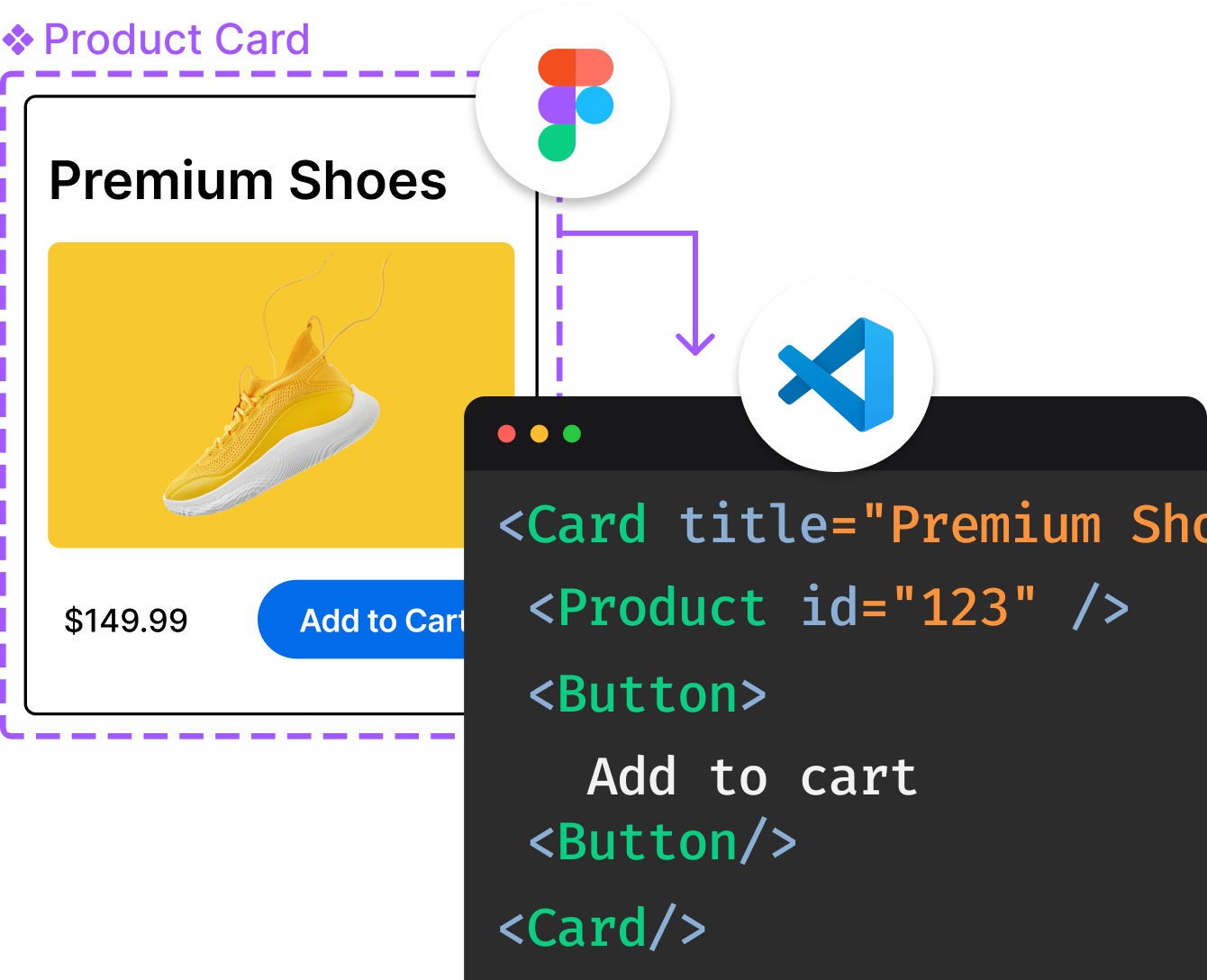
Introducing Visual Copilot: A new AI model to turn Figma designs to high quality code using your components.
Try Visual CopilotREADME
Azure Machine Learning examples

Welcome to the Azure Machine Learning examples repository!
About This Repository
The azureml-examples repository contains examples and tutorials to help you learn how to use Azure Machine Learning (Azure ML) services and features.
Getting Started
If you're getting started with Azure ML, consider working through our tutorials for the v2 Python SDK. You may also want to read through our documentation.
SDKs
The sdk/ folder houses the examples for the Azure ML SDKs across several languages.
We have an extensive collection of examples for the Azure ML Python SDK v2 in
sdk/python.
We also offer some examples for our SDKs in other languages:
- .NET:
sdk/dotnet - TypeScript:
sdk/typescript
Azure Machine Learning extension for Azure CLI
The cli/ folder hosts our examples to use the
Azure Machine Learning extension for Azure CLI.
Note: If you're looking for examples that submit Azure ML jobs that run non-Python code, see:
Supplementary Documentation
- Azure Machine Learning Documentation
- AzureML Python SDK v2 Overview
- Azure CLI ML extension v2 Overview
Contributing
We welcome contributions and suggestions! Please see the contributing guidelines for details.
Code of Conduct
This project has adopted the Microsoft Open Source Code of Conduct. Please see the code of conduct for details.
Top Related Projects
MLOps examples
Machine Learning Toolkit for Kubernetes
The open source AI engineering platform for agents, LLMs, and ML models. MLflow enables teams of all sizes to debug, evaluate, monitor, and optimize production-quality AI applications while controlling costs and managing access to models and data.
TFX is an end-to-end platform for deploying production ML pipelines
Tensors and Dynamic neural networks in Python with strong GPU acceleration
A library for training and deploying machine learning models on Amazon SageMaker
Convert designs to code with AI
Introducing Visual Copilot: A new AI model to turn Figma designs to high quality code using your components.
Try Visual Copilot