
Top Related Projects

The adaptive interface system for modern web experiences.

Shoelace is now Web Awesome. Come see what’s new!

A powerful cross-platform UI toolkit for building native-quality iOS, Android, and Progressive Web Apps with HTML, CSS, and JavaScript.

Material Design Web Components

Lit is a simple library for building fast, lightweight web components.
Quick Overview
Spectrum Web Components is an open-source project by Adobe that provides a collection of web components based on the Spectrum design system. It aims to offer a consistent and accessible user interface across Adobe products and third-party applications using web technologies.
Pros
- Implements Adobe's Spectrum design system, ensuring consistency with Adobe products
- Built using web components, providing framework-agnostic reusability
- Offers a wide range of UI components with accessibility features built-in
- Regularly updated and maintained by Adobe
Cons
- Learning curve for developers not familiar with web components
- May require additional setup for optimal performance in some frameworks
- Documentation could be more comprehensive for certain components
- Limited customization options compared to some other UI libraries
Code Examples
- Basic button component:
<sp-button variant="primary">Click me</sp-button>
- Creating a simple form with input and button:
<sp-form>
  <sp-field-label for="name">Name</sp-field-label>
  <sp-textfield id="name" placeholder="Enter your name"></sp-textfield>
  <sp-button type="submit">Submit</sp-button>
</sp-form>
- Using a modal dialog:
<sp-button id="openModal">Open Modal</sp-button>
<sp-dialog id="myModal" dismissable>
  <h2 slot="heading">Modal Title</h2>
  <p>This is the modal content.</p>
  <sp-button slot="footer" variant="secondary">Cancel</sp-button>
  <sp-button slot="footer" variant="primary">Confirm</sp-button>
</sp-dialog>

<script>
  const openButton = document.getElementById('openModal');
  const modal = document.getElementById('myModal');
  openButton.addEventListener('click', () => modal.open = true);
</script>
Getting Started
To start using Spectrum Web Components in your project:
- Install the package:
npm install @adobe/spectrum-web-components
- Import and use components in your HTML:
<!DOCTYPE html>
<html lang="en">
<head>
  <script type="module" src="node_modules/@adobe/spectrum-web-components/dist/index.js"></script>
</head>
<body>
  <sp-button variant="primary">Hello Spectrum!</sp-button>
</body>
</html>
For more advanced usage and integration with frameworks, refer to the official documentation.
Competitor Comparisons
The adaptive interface system for modern web experiences.
Pros of FAST
- More flexible and customizable design system
- Better performance due to lightweight components
- Broader browser support, including older versions
Cons of FAST
- Less mature ecosystem compared to Spectrum
- Smaller community and fewer third-party components
- Steeper learning curve for developers new to web components
Code Comparison
FAST component:
<fast-button appearance="accent">
  Click me
</fast-button>
Spectrum component:
<sp-button variant="cta">
  Click me
</sp-button>
Both libraries use similar syntax for creating components, but FAST offers more customization options through its design system. Spectrum components often have more specific variants and follow Adobe's design guidelines more closely.
FAST provides a more low-level approach, allowing developers to build custom design systems, while Spectrum offers a complete, opinionated design system out of the box. This makes FAST more flexible but potentially requires more setup and configuration.
Performance-wise, FAST components are generally lighter and faster, which can be beneficial for large-scale applications. However, Spectrum's components are well-optimized and provide a consistent look and feel across Adobe products.
Ultimately, the choice between FAST and Spectrum depends on project requirements, design preferences, and development team expertise.
Shoelace is now Web Awesome. Come see what’s new!
Pros of Shoelace
- Framework-agnostic, works with any JavaScript framework or vanilla JS
- Extensive documentation and interactive examples
- Smaller bundle size and faster load times
Cons of Shoelace
- Less comprehensive component set compared to Spectrum
- Not as tightly integrated with Adobe's design system
- May require more customization for enterprise-level applications
Code Comparison
Shoelace button:
<sl-button>Click me</sl-button>
Spectrum button:
<sp-button>Click me</sp-button>
Both libraries use similar syntax for basic components, but Spectrum often includes more built-in variants and properties aligned with Adobe's design system.
Summary
Shoelace is a lightweight, framework-agnostic web component library that offers flexibility and ease of use. It's ideal for projects that prioritize performance and don't require strict adherence to a specific design system.
Spectrum Web Components, on the other hand, provides a more comprehensive set of components tightly integrated with Adobe's design system. It's better suited for projects that need to maintain consistency with Adobe's ecosystem or require a wider range of pre-built, enterprise-level components.
The choice between the two depends on project requirements, design constraints, and the need for integration with Adobe's ecosystem.
A powerful cross-platform UI toolkit for building native-quality iOS, Android, and Progressive Web Apps with HTML, CSS, and JavaScript.
Pros of Ionic Framework
- Broader ecosystem with extensive documentation, plugins, and community support
- Cross-platform development for mobile, desktop, and web applications
- Built-in UI components and native device features integration
Cons of Ionic Framework
- Steeper learning curve due to its comprehensive nature
- Potentially larger bundle sizes for simple applications
- May require additional optimization for high-performance apps
Code Comparison
Spectrum Web Components:
<sp-button variant="primary">Click me</sp-button>
Ionic Framework:
<ion-button color="primary">Click me</ion-button>
Both frameworks offer declarative component usage, but Ionic's syntax is more aligned with standard HTML elements.
Additional Considerations
- Spectrum Web Components focuses on Adobe's design system, while Ionic provides a more general-purpose framework
- Ionic offers a complete app development solution, whereas Spectrum Web Components is primarily for UI components
- Spectrum Web Components may be more suitable for projects already using Adobe's ecosystem, while Ionic is versatile for various application types
Overall, the choice between these frameworks depends on project requirements, existing ecosystem integration, and development team preferences.
Material Design Web Components
Pros of Material Web
- More comprehensive documentation and examples
- Wider adoption and community support
- Closer alignment with Google's Material Design guidelines
Cons of Material Web
- Larger bundle size and potentially higher performance overhead
- Less flexibility for customization outside of Material Design
- Slower release cycle and updates compared to Spectrum Web Components
Code Comparison
Spectrum Web Components:
<sp-button variant="primary">Click me</sp-button>
Material Web:
<mwc-button raised>Click me</mwc-button>
Both libraries aim to provide web components for building user interfaces, but they differ in their approach and design philosophy. Spectrum Web Components focuses on Adobe's design system, offering a more flexible and lightweight solution. Material Web, on the other hand, adheres closely to Google's Material Design principles, providing a more opinionated and comprehensive set of components.
Spectrum Web Components may be a better choice for projects that require more customization and smaller bundle sizes, while Material Web might be preferred for applications that want to closely follow Material Design guidelines and benefit from a larger ecosystem of components and resources.
Ultimately, the choice between these libraries depends on the specific requirements of your project, design preferences, and performance considerations.
Lit is a simple library for building fast, lightweight web components.
Pros of lit
- Lightweight and fast, with a smaller bundle size
- More flexible and unopinionated, allowing for greater customization
- Broader community support and ecosystem
Cons of lit
- Less out-of-the-box UI components and design system
- Requires more setup and configuration for complex applications
- May need additional libraries for advanced features
Code Comparison
spectrum-web-components:
<sp-button variant="primary" onClick={handleClick}>
  Click me
</sp-button>
lit:
import { LitElement, html } from 'lit';

class MyButton extends LitElement {
  render() {
    return html`<button @click=${this.handleClick}>Click me</button>`;
  }
}
Summary
lit is a lightweight and flexible library for building web components, offering greater customization options and a broader ecosystem. However, it requires more setup and may need additional libraries for advanced features. spectrum-web-components provides a comprehensive design system with ready-to-use UI components but may be less flexible for custom designs. The choice between the two depends on project requirements, design needs, and development preferences.
Convert  designs to code with AI
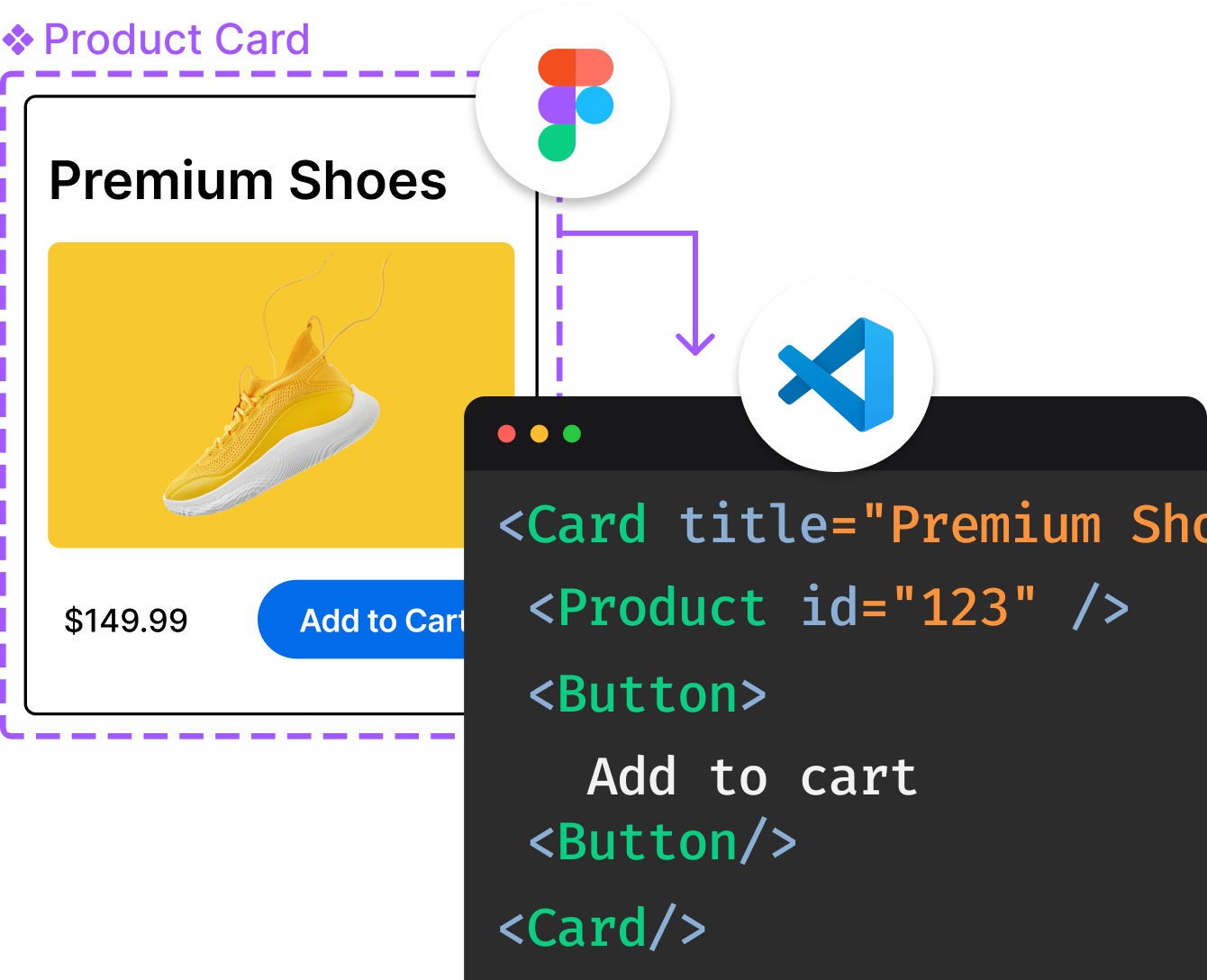
Introducing Visual Copilot: A new AI model to turn Figma designs to high quality code using your components.
Try Visual CopilotREADME
Spectrum Web Components
This is the monorepo for Spectrum Web Components (SWC), a library of web components implementing Adobe's Spectrum design system.
While SWC is used primarily by Adobe product teams, it is open-sourced and available for general use.
SWC is developed by a core team in Adobe Design Engineering, but we welcome contributions from inside and outside Adobe.
See CONTRIBUTOR-DOCS to learn more about the project, the repository, and how you can contribute.
Top Related Projects
The adaptive interface system for modern web experiences.
Shoelace is now Web Awesome. Come see what’s new!
A powerful cross-platform UI toolkit for building native-quality iOS, Android, and Progressive Web Apps with HTML, CSS, and JavaScript.
Material Design Web Components
Lit is a simple library for building fast, lightweight web components.
Convert designs to code with AI
Introducing Visual Copilot: A new AI model to turn Figma designs to high quality code using your components.
Try Visual Copilot