
Top Related Projects

Ansible for DevOps examples.
A few starter examples of ansible playbooks, to show features and how they work together. See http://galaxy.ansible.com for example roles from the Ansible community for deploying many popular applications.
ansible-lint checks playbooks for practices and behavior that could potentially be improved and can fix some of the most common ones for you
AWX provides a web-based user interface, REST API, and task engine built on top of Ansible. It is one of the upstream projects for Red Hat Ansible Automation Platform.

Ansible Community General Collection
Quick Overview
The ansible/workshops repository is a collection of Ansible workshops and training materials. It provides a comprehensive set of hands-on exercises and examples to help users learn and practice Ansible, a popular open-source automation tool.
Pros
- Comprehensive Content: The repository offers a wide range of workshops covering various Ansible topics, from beginner to advanced levels, making it suitable for users of all skill levels.
- Interactive Learning: The workshops include step-by-step instructions, code examples, and interactive exercises, allowing learners to actively engage with the material.
- Community-Driven: The project is maintained by the Ansible community, ensuring the content is up-to-date and reflects the latest Ansible best practices.
- Adaptable: The workshops can be easily customized and adapted to fit the specific needs of different organizations or training environments.
Cons
- Requires Ansible Knowledge: The workshops assume a certain level of familiarity with Ansible, which may be a barrier for complete beginners.
- Maintenance Overhead: Keeping the workshops up-to-date with the latest Ansible releases and features can be a continuous effort for the maintainers.
- Limited Hands-on Exercises: While the workshops provide a good foundation, they may not offer a comprehensive set of hands-on exercises for all Ansible use cases.
- Potential Outdated Content: As Ansible evolves, some of the workshop content may become outdated, requiring regular updates.
Getting Started
To get started with the Ansible workshops, follow these steps:
-
Clone the
ansible/workshopsrepository:git clone https://github.com/ansible/workshops.git -
Navigate to the cloned repository:
cd workshops -
Explore the available workshops in the
workshops/directory. Each workshop has its own README file with detailed instructions on how to set up and run the exercises. -
Choose a workshop that aligns with your learning goals and follow the provided instructions to set up the necessary infrastructure and tools.
-
Work through the exercises, taking notes and experimenting with the Ansible code examples provided in the workshop materials.
-
Refer to the Ansible documentation and community resources for additional support and guidance as needed.
Competitor Comparisons
Ansible for DevOps examples.
Pros of ansible-for-devops
- More focused on practical, real-world examples and scenarios
- Includes a companion book for in-depth explanations
- Smaller scope, making it easier for beginners to grasp
Cons of ansible-for-devops
- Less comprehensive coverage of Ansible features
- Fewer hands-on lab exercises
- May not be as up-to-date with the latest Ansible developments
Code Comparison
ansible-for-devops:
- name: Ensure Apache is installed
  apt:
    name: apache2
    state: present

- name: Start Apache service
  service:
    name: apache2
    state: started
workshops:
- name: Install and configure Apache
  hosts: web_servers
  become: yes
  tasks:
    - name: Install Apache
      yum:
        name: httpd
        state: present

    - name: Start and enable Apache
      service:
        name: httpd
        state: started
        enabled: yes
The code snippets show that ansible-for-devops uses simpler, more straightforward tasks, while workshops demonstrates a more structured approach with host targeting and additional options. Both repositories provide valuable resources for learning Ansible, with workshops offering a broader scope and more structured learning path, while ansible-for-devops focuses on practical, real-world applications.
A few starter examples of ansible playbooks, to show features and how they work together. See http://galaxy.ansible.com for example roles from the Ansible community for deploying many popular applications.
Pros of ansible-examples
- Provides a wide range of practical examples covering various use cases
- Easier to understand for beginners due to simpler structure and focused examples
- Can be quickly referenced for specific tasks or implementations
Cons of ansible-examples
- Less comprehensive and structured learning experience
- Lacks guided workshops or hands-on lab environments
- May not cover more advanced topics or real-world scenarios as thoroughly
Code Comparison
ansible-examples:
---
- hosts: webservers
  vars:
    http_port: 80
    max_clients: 200
  tasks:
    - name: ensure apache is at the latest version
      yum: name=httpd state=latest
workshops:
---
- name: Apache server installed
  hosts: web
  become: yes
  tasks:
    - name: latest Apache version installed
      ansible.builtin.dnf:
        name: httpd
        state: latest
The workshops repository offers a more structured and comprehensive learning experience, with guided workshops and hands-on labs. It covers a broader range of topics and provides a more in-depth understanding of Ansible. However, ansible-examples is more straightforward for quick reference and may be easier for beginners to grasp specific concepts or implementations.
ansible-lint checks playbooks for practices and behavior that could potentially be improved and can fix some of the most common ones for you
Pros of ansible-lint
- Focused on linting and code quality, providing specific tools for Ansible best practices
- Regularly updated with new rules and improvements for Ansible syntax and style
- Can be integrated into CI/CD pipelines for automated code checks
Cons of ansible-lint
- Limited in scope compared to workshops, focusing only on linting
- Doesn't provide hands-on learning experiences or comprehensive Ansible training
- May require additional setup and configuration for optimal use
Code Comparison
ansible-lint:
- name: Example task
  ansible.builtin.debug:
    msg: "This is a debug message"
workshops:
- name: Configure webserver with nginx
  hosts: webservers
  become: yes
  tasks:
    - name: Install nginx
      apt: name=nginx update_cache=yes state=latest
The ansible-lint example shows a simple task that would be checked for style and best practices, while the workshops example demonstrates a more complete playbook structure used for hands-on learning.
AWX provides a web-based user interface, REST API, and task engine built on top of Ansible. It is one of the upstream projects for Red Hat Ansible Automation Platform.
Pros of AWX
- Provides a web-based user interface for managing Ansible playbooks and inventories
- Offers role-based access control and job scheduling capabilities
- Integrates with various cloud providers and version control systems
Cons of AWX
- More complex setup and maintenance compared to Workshops
- Requires additional resources to run (database, message queue, etc.)
- Steeper learning curve for users new to Ansible
Code Comparison
AWX (Python):
from django.db import models
from django.utils.translation import ugettext_lazy as _

class Organization(models.Model):
    name = models.CharField(max_length=512)
    description = models.TextField(blank=True)
Workshops (YAML):
- name: Configure webserver with nginx
  hosts: webservers
  become: True
  tasks:
    - name: install nginx
      apt: name=nginx update_cache=yes state=latest
Summary
AWX is a comprehensive web-based solution for managing Ansible at scale, offering advanced features like scheduling and access control. Workshops, on the other hand, focuses on providing educational content and hands-on exercises for learning Ansible. AWX is better suited for enterprise environments, while Workshops is ideal for training and skill development. The code examples highlight the difference in focus, with AWX using Django models for its web application and Workshops showcasing Ansible playbook syntax.
Ansible Community General Collection
Pros of community.general
- Broader scope with a wide variety of modules and plugins for diverse use cases
- More frequent updates and contributions from the community
- Directly usable in Ansible playbooks and roles
Cons of community.general
- Steeper learning curve due to the large number of modules and plugins
- May require more careful version management in production environments
- Less focused on educational content compared to workshops
Code Comparison
workshops:
- name: Create EC2 instances
  ec2:
    instance_type: t2.micro
    image: ami-123456
    region: us-east-1
    count: 3
community.general:
- name: Create Linode instance
  community.general.linode:
    api_token: "{{ linode_api_token }}"
    name: my-linode
    state: present
    type: g6-nanode-1
    region: us-east
The workshops repository focuses on educational content and examples for learning Ansible, while community.general provides a wide range of modules and plugins for various platforms and services. Workshops offers structured learning materials, whereas community.general is more suitable for practical implementation in diverse environments. The code examples show the difference in focus, with workshops using core modules and community.general offering specialized modules for different providers.
Convert  designs to code with AI
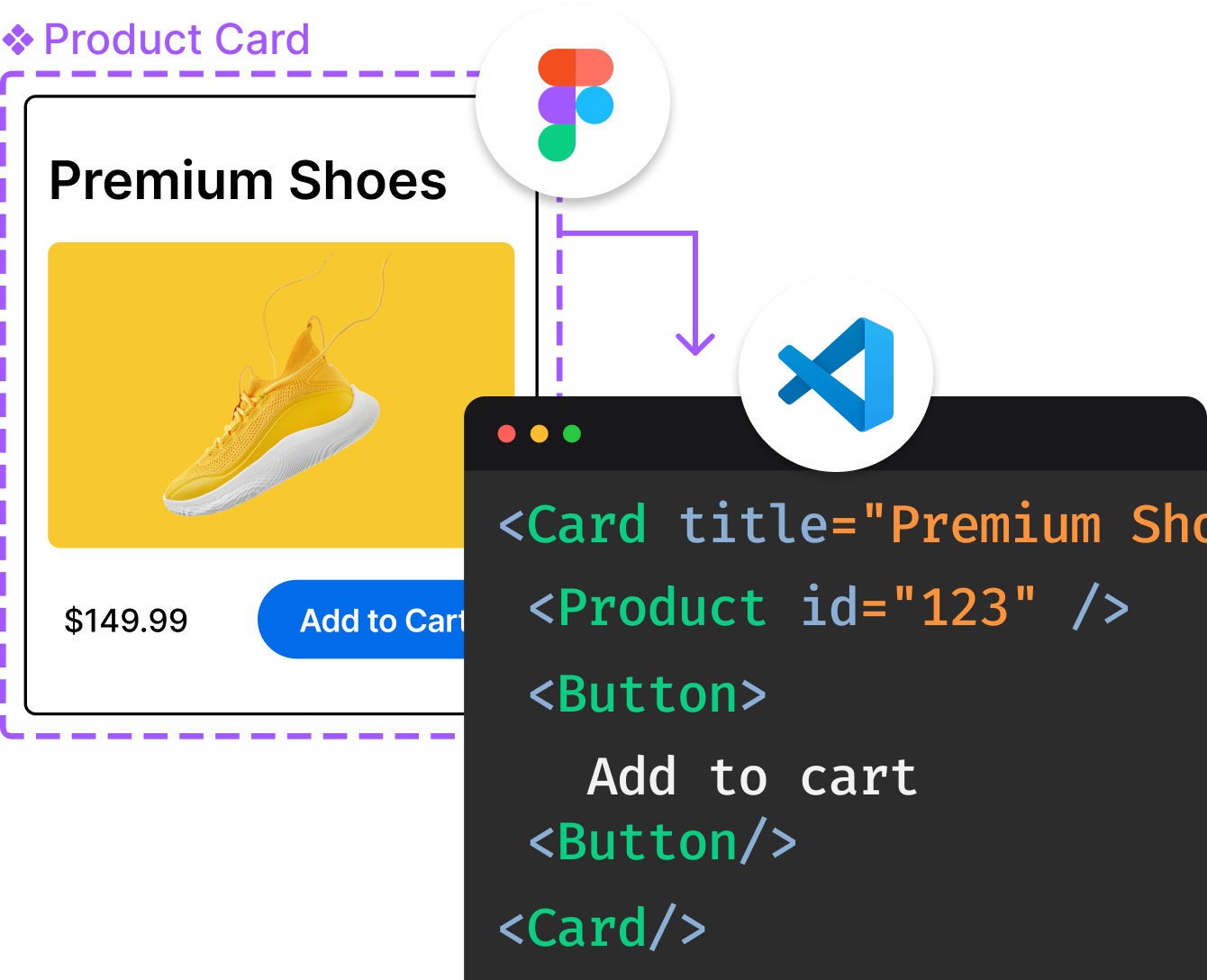
Introducing Visual Copilot: A new AI model to turn Figma designs to high quality code using your components.
Try Visual CopilotREADME
Read this in other languages:
 English,
  æ¥æ¬èª
Ansible Workshops
Visit the live site at ansible.github.io/workshops (or your fork) to browse the full workshop catalog with filtering and search.
90 Minute Workshops
| Workshop | Description |
|---|---|
| AI + Ansible | Introduction to AI-Driven Ansible Automation & AIOps |
| Day 2 Ops | Automation with OpenShift Virtualization |
| Event-Driven Ansible | EDA fundamentals â sources, rules, and actions |
| Cloud Automation | Orchestrate, operationalize and govern hybrid cloud environments |
| Ansible Lightspeed | Ansible Lightspeed and Development Technical Workshop |
| Network Automation | Getting Started with Network Automation |
| RHEL Automation | Ansible Red Hat Enterprise Linux Workshop |
| ServiceNow | Getting Started with ServiceNow Automation |
| Windows | Getting Started with Windows Automation |
Events
| Event | Description |
|---|---|
| Ansible Automates | Full-day regional AnsibleFest-style conference |
| Ansible Automates Events | In-person and virtual event kits |
| Automation Connection | 3-hour account expansion event |
| Automation Everywhere | 3-hour decision-maker nurturing event |
| Automation Roundtable | Executive peer-to-peer roundtable |
Resources
| Resource | Description |
|---|---|
| ONE-STOP SHOP | IT Automation workshops and events hub |
| Ansible Workshops | Full workshop catalog from Source |
4 Hour Workshops
| Workshop | Description |
|---|---|
| Mission-Critical Automation | 3.5-hour automation journey with EDA |
| Event-Driven Ansible & ServiceNow | Extended EDA + ServiceNow workshop |
| Ansible Lightspeed | Lightspeed and Development Technical Workshop (extended) |
| Configuration as Code | CaC for Ansible Automation Platform |
6 Hour Workshops
| Workshop | Description |
|---|---|
| RHEL | Ansible Red Hat Enterprise Linux Workshop |
| Network | Ansible Network Automation Workshop |
| Satellite | Ansible + Satellite Workshop |
| RIPU | RHEL In-place Upgrade Automation Workshop |
Product Demos
| Workshop | Description |
|---|---|
| Product Demos | Sandbox for demoing, development, and experimentation |
Self Paced Exercises
- Ansible Automation Platform Self-Paced Labs â Interactive learning scenarios (15-30 minutes each)
YouTube Channels
Documentation
Training
Trial
Community
Workshop Documentation
- Workshop attendance website
- How to contribute
- How to use the AWS Lab Provisioner
- FAQ
- Release Process

Top Related Projects
Ansible for DevOps examples.
A few starter examples of ansible playbooks, to show features and how they work together. See http://galaxy.ansible.com for example roles from the Ansible community for deploying many popular applications.
ansible-lint checks playbooks for practices and behavior that could potentially be improved and can fix some of the most common ones for you
AWX provides a web-based user interface, REST API, and task engine built on top of Ansible. It is one of the upstream projects for Red Hat Ansible Automation Platform.
Ansible Community General Collection
Convert designs to code with AI
Introducing Visual Copilot: A new AI model to turn Figma designs to high quality code using your components.
Try Visual Copilot