
Top Related Projects

OCRmyPDF adds an OCR text layer to scanned PDF files, allowing them to be searched

Community maintained fork of pdfminer - we fathom PDF

Python PDF Parser (Not actively maintained). Check out pdfminer.six.

PyMuPDF is a high performance Python library for data extraction, analysis, conversion & manipulation of PDF (and other) documents.

Tabula is a tool for liberating data tables trapped inside PDF files
Quick Overview
pdftotext is a Python package that provides a simple interface to extract text from PDF files. It serves as a wrapper around the poppler-utils library, offering an easy-to-use method for converting PDF documents to plain text.
Pros
- Simple and straightforward API for PDF text extraction
- Supports both Python 2 and Python 3
- Lightweight and easy to install
- Utilizes the robust poppler-utils library for reliable text extraction
Cons
- Requires poppler-utils to be installed on the system
- Limited functionality compared to more comprehensive PDF libraries
- May not handle complex PDF layouts or heavily formatted documents well
- No built-in support for extracting images or other non-text content
Code Examples
- Basic text extraction from a PDF file:
import pdftotext

with open("example.pdf", "rb") as f:
    pdf = pdftotext.PDF(f)

for page in pdf:
    print(page)
- Extracting text from a specific page:
import pdftotext

with open("example.pdf", "rb") as f:
    pdf = pdftotext.PDF(f)

page_number = 2
print(pdf[page_number - 1])  # Page numbers are 0-indexed
- Counting the number of pages in a PDF:
import pdftotext

with open("example.pdf", "rb") as f:
    pdf = pdftotext.PDF(f)

page_count = len(pdf)
print(f"The PDF has {page_count} pages.")
Getting Started
To use pdftotext, follow these steps:
-
Install poppler-utils on your system:
- On Ubuntu/Debian:
sudo apt-get install poppler-utils - On macOS with Homebrew:
brew install poppler
- On Ubuntu/Debian:
-
Install the pdftotext package:
pip install pdftotext -
Use the library in your Python script:
import pdftotext

with open("example.pdf", "rb") as f:
    pdf = pdftotext.PDF(f)
    text = "\n\n".join(pdf)
    print(text)
This will extract the text from all pages of the PDF and print it to the console.
Competitor Comparisons
OCRmyPDF adds an OCR text layer to scanned PDF files, allowing them to be searched
Pros of OCRmyPDF
- Performs OCR on PDFs, adding a text layer for searchability
- Supports image preprocessing and optimization
- Offers more advanced features like PDF/A conversion and metadata manipulation
Cons of OCRmyPDF
- More complex setup and usage compared to pdftotext
- Requires additional dependencies (e.g., Tesseract OCR)
- May be slower for simple text extraction tasks
Code Comparison
OCRmyPDF:
import ocrmypdf

ocrmypdf.ocr('input.pdf', 'output.pdf', deskew=True, optimize=1)
pdftotext:
from pdftotext import PDF

with open('input.pdf', 'rb') as file:
    pdf = PDF(file)
    text = "\n\n".join(pdf)
OCRmyPDF is more suitable for processing scanned documents or PDFs with embedded images, while pdftotext is simpler and faster for extracting text from born-digital PDFs. OCRmyPDF offers more advanced features but requires a more complex setup, whereas pdftotext is easier to use for basic text extraction tasks. The choice between the two depends on the specific requirements of your project and the nature of the PDFs you're working with.
Community maintained fork of pdfminer - we fathom PDF
Pros of pdfminer.six
- More comprehensive PDF parsing capabilities, including layout analysis and font extraction
- Pure Python implementation, making it easier to install and use across different platforms
- Actively maintained with regular updates and improvements
Cons of pdfminer.six
- Slower performance compared to pdftotext, especially for large PDF files
- More complex to use, requiring more code and configuration for basic text extraction
- Higher memory usage due to its comprehensive parsing approach
Code Comparison
pdfminer.six:
from pdfminer.high_level import extract_text

text = extract_text('document.pdf')
print(text)
pdftotext:
import pdftotext

with open("document.pdf", "rb") as f:
    pdf = pdftotext.PDF(f)
    print("\n\n".join(pdf))
pdfminer.six offers more advanced features but requires more setup for basic text extraction. pdftotext provides a simpler interface for quick text extraction from PDF files. The choice between the two depends on the specific requirements of your project, balancing between functionality, ease of use, and performance.
Python PDF Parser (Not actively maintained). Check out pdfminer.six.
Pros of pdfminer
- More comprehensive PDF parsing capabilities, including layout analysis and font extraction
- Supports both Python 2 and Python 3
- Offers more granular control over PDF parsing and extraction process
Cons of pdfminer
- Slower performance compared to pdftotext
- More complex to use, requiring more setup and configuration
- Larger codebase and dependencies
Code Comparison
pdfminer:
from pdfminer.high_level import extract_text

text = extract_text('document.pdf')
print(text)
pdftotext:
import pdftotext

with open("document.pdf", "rb") as f:
    pdf = pdftotext.PDF(f)
    print("\n\n".join(pdf))
pdfminer offers more advanced features but requires more complex code for advanced usage, while pdftotext provides a simpler interface for basic text extraction. pdfminer is better suited for projects requiring detailed PDF analysis, while pdftotext is ideal for quick and straightforward text extraction tasks.
PyMuPDF is a high performance Python library for data extraction, analysis, conversion & manipulation of PDF (and other) documents.
Pros of PyMuPDF
- More comprehensive PDF manipulation capabilities, including editing and creation
- Faster processing for large PDF files
- Better support for complex PDF structures and annotations
Cons of PyMuPDF
- Larger library size and more dependencies
- Steeper learning curve due to more extensive API
- May be overkill for simple text extraction tasks
Code Comparison
PyMuPDF:
import fitz
doc = fitz.open("example.pdf")
text = ""
for page in doc:
    text += page.get_text()
pdftotext:
import pdftotext
with open("example.pdf", "rb") as f:
    pdf = pdftotext.PDF(f)
text = "\n\n".join(pdf)
Both libraries offer straightforward text extraction, but PyMuPDF provides more advanced features for PDF manipulation. pdftotext is simpler and more focused on text extraction, making it easier to use for basic tasks. PyMuPDF's extensive capabilities come at the cost of a more complex API and larger footprint, while pdftotext is lightweight and specialized for text extraction.
Tabula is a tool for liberating data tables trapped inside PDF files
Pros of Tabula
- Specialized in extracting tables from PDFs, offering more accurate table detection and extraction
- Provides a user-friendly GUI interface for interactive table selection and extraction
- Supports output in multiple formats, including CSV, TSV, and JSON
Cons of Tabula
- Limited to table extraction, not suitable for general text extraction from PDFs
- May require more processing time and resources for large PDFs with many tables
- Less suitable for command-line or automated batch processing compared to pdftotext
Code Comparison
pdftotext:
import pdftotext

with open("document.pdf", "rb") as f:
    pdf = pdftotext.PDF(f)
    text = "\n\n".join(pdf)
Tabula:
import tabula

df = tabula.read_pdf("document.pdf", pages="all")
tables = tabula.convert_into("document.pdf", "output.csv", output_format="csv", pages="all")
Both libraries offer Python bindings, but their usage differs based on their specializations. pdftotext is simpler for general text extraction, while Tabula provides more options for table extraction and output formatting.
Convert  designs to code with AI
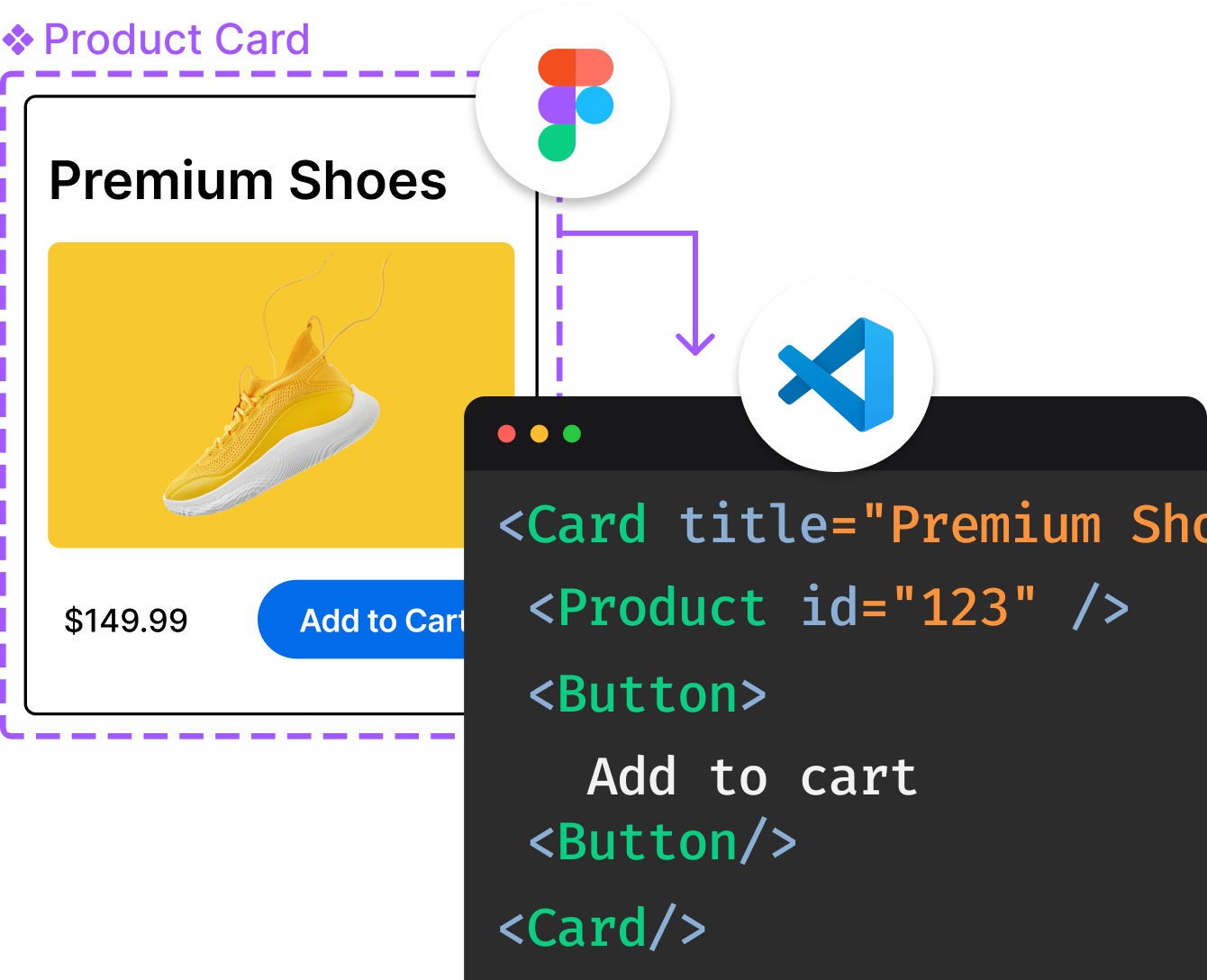
Introducing Visual Copilot: A new AI model to turn Figma designs to high quality code using your components.
Try Visual CopilotREADME
pdftotext


Simple PDF text extraction
import pdftotext

# Load your PDF
with open("lorem_ipsum.pdf", "rb") as f:
    pdf = pdftotext.PDF(f)

# If it's password-protected
with open("secure.pdf", "rb") as f:
    pdf = pdftotext.PDF(f, "secret")

# How many pages?
print(len(pdf))

# Iterate over all the pages
for page in pdf:
    print(page)

# Read some individual pages
print(pdf[0])
print(pdf[1])

# Read all the text into one string
print("\n\n".join(pdf))
OS Dependencies
These instructions assume you're on a recent OS. Package names may differ for an older OS.
Debian, Ubuntu, and friends
sudo apt install build-essential libpoppler-cpp-dev pkg-config python3-dev
Fedora, Red Hat, and friends
sudo yum install gcc-c++ pkgconfig poppler-cpp-devel python3-devel
macOS
brew install pkg-config poppler python
Windows
Currently tested only when using conda:
- Install the Microsoft Visual C++ Build Tools
- Install poppler through conda:
conda install -c conda-forge poppler
Install
pip install pdftotext
Top Related Projects
OCRmyPDF adds an OCR text layer to scanned PDF files, allowing them to be searched
Community maintained fork of pdfminer - we fathom PDF
Python PDF Parser (Not actively maintained). Check out pdfminer.six.
PyMuPDF is a high performance Python library for data extraction, analysis, conversion & manipulation of PDF (and other) documents.
Tabula is a tool for liberating data tables trapped inside PDF files
Convert designs to code with AI
Introducing Visual Copilot: A new AI model to turn Figma designs to high quality code using your components.
Try Visual Copilot