
Top Related Projects

PyMuPDF is a high performance Python library for data extraction, analysis, conversion & manipulation of PDF (and other) documents.

A pure-python PDF library capable of splitting, merging, cropping, and transforming the pages of PDF files
borb is a library for reading, creating and manipulating PDF files in python.

Community maintained fork of pdfminer - we fathom PDF

A Python library for reading and writing PDF, powered by QPDF

Small python-gtk application, which helps the user to merge or split PDF documents and rotate, crop and rearrange their pages using an interactive and intuitive graphical interface.
Quick Overview
borb is a comprehensive Python library for reading, creating, and manipulating PDF files. It offers a wide range of features, from basic PDF creation to complex operations like digital signatures, form filling, and PDF/A conversion. borb aims to provide a user-friendly API while maintaining powerful functionality for PDF handling.
Pros
- Extensive feature set covering most PDF-related operations
- User-friendly API with intuitive method names and structure
- Actively maintained with regular updates and improvements
- Comprehensive documentation and examples available
Cons
- May have a steeper learning curve for complex operations
- Performance might be slower compared to some native PDF libraries
- Large library size due to its comprehensive feature set
- Some advanced features may require additional dependencies
Code Examples
Creating a simple PDF:
from borb.pdf import Document, Page, Paragraph, PDF

# Create document
doc = Document()

# Add page
page = Page()
doc.add_page(page)

# Add content
page.add(Paragraph("Hello, World!"))

# Save PDF
with open("output.pdf", "wb") as pdf_file_handle:
    PDF.dumps(pdf_file_handle, doc)
Adding an image to a PDF:
from borb.pdf import Document, Page, Image, PDF
from borb.io import HttpIO

# Create document and page
doc = Document()
page = Page()
doc.add_page(page)

# Add image from URL
img = Image(
    HttpIO.get_image_from_url(
        "https://www.example.com/image.jpg"
    )
)
page.add(img)

# Save PDF
with open("image.pdf", "wb") as pdf_file_handle:
    PDF.dumps(pdf_file_handle, doc)
Extracting text from a PDF:
from borb.pdf import Document
from borb.toolkit import SimpleTextExtraction

# Open existing PDF
doc = Document.from_file("input.pdf")

# Extract text
extraction = SimpleTextExtraction()
doc.process_page(extraction)

# Print extracted text
print(extraction.get_text())
Getting Started
To get started with borb, first install it using pip:
pip install borb
Then, you can create a simple PDF using the following code:
from borb.pdf import Document, Page, Paragraph, PDF

doc = Document()
page = Page()
doc.add_page(page)
page.add(Paragraph("My first PDF with borb!"))

with open("quickstart.pdf", "wb") as pdf_file_handle:
    PDF.dumps(pdf_file_handle, doc)
This will create a PDF file named "quickstart.pdf" with the text "My first PDF with borb!" on the first page.
Competitor Comparisons
PyMuPDF is a high performance Python library for data extraction, analysis, conversion & manipulation of PDF (and other) documents.
Pros of PyMuPDF
- Faster performance for large PDF operations
- More comprehensive PDF manipulation capabilities
- Better support for complex PDF structures and annotations
Cons of PyMuPDF
- Steeper learning curve due to more complex API
- Larger library size, which may impact deployment in some scenarios
- Less focus on PDF creation from scratch compared to borb
Code Comparison
PyMuPDF example:
import fitz
doc = fitz.open("input.pdf")
page = doc[0]
text = page.get_text()
doc.close()
borb example:
from borb.pdf import Document
from borb.pdf import PDF

doc = Document()
page = doc.get_page(0)
text = page.get_text()
Both libraries offer PDF manipulation capabilities, but PyMuPDF generally provides more advanced features and better performance for complex operations. borb, on the other hand, has a simpler API and is more focused on PDF creation. The choice between the two depends on the specific requirements of your project and the level of PDF manipulation needed.
A pure-python PDF library capable of splitting, merging, cropping, and transforming the pages of PDF files
Pros of PyPDF
- Lightweight and focused on PDF manipulation tasks
- Extensive documentation and community support
- Simple API for common PDF operations
Cons of PyPDF
- Limited PDF creation capabilities
- Less comprehensive feature set for advanced PDF operations
- Slower performance for large-scale PDF processing
Code Comparison
PyPDF:
from pypdf import PdfReader, PdfWriter

reader = PdfReader("input.pdf")
writer = PdfWriter()

page = reader.pages[0]
writer.add_page(page)

with open("output.pdf", "wb") as output_file:
    writer.write(output_file)
borb:
from borb.pdf import Document, Page, PDF

doc = Document()
page = Page()
doc.add_page(page)

with open("output.pdf", "wb") as pdf_file_handle:
    PDF.dumps(pdf_file_handle, doc)
PyPDF focuses on simple PDF manipulation tasks with a straightforward API, while borb offers more comprehensive PDF creation and manipulation capabilities. PyPDF is ideal for basic PDF operations, whereas borb provides advanced features for complex PDF workflows. The code examples demonstrate the difference in approach, with PyPDF emphasizing reading and writing existing PDFs, and borb showcasing its document creation capabilities.
borb is a library for reading, creating and manipulating PDF files in python.
Pros of borb
- More comprehensive PDF manipulation capabilities
- Actively maintained with regular updates
- Extensive documentation and examples
Cons of borb
- Larger library size
- Steeper learning curve for beginners
- May have more dependencies
Code Comparison
borb:
from borb.pdf import Document, Page, Paragraph

doc = Document()
page = Page()
doc.add_page(page)
page.add(Paragraph("Hello World!"))
borb>:
from borb.pdf import Document, Page, Paragraph

doc = Document()
page = Page()
doc.add_page(page)
page.add(Paragraph("Hello World!"))
In this case, the code snippets are identical, as borb> appears to be a fork or related project to borb. The main differences between the two repositories likely lie in their development focus, maintenance, and specific feature implementations rather than core functionality.
Both projects aim to provide PDF manipulation capabilities in Python, but borb seems to be the more established and actively maintained option. borb> may serve as an experimental branch or alternative implementation, but without more specific information about its purpose, it's difficult to determine its unique advantages or use cases.
Community maintained fork of pdfminer - we fathom PDF
Pros of pdfminer.six
- More established project with a longer history and larger community
- Focuses specifically on PDF text extraction and analysis
- Provides lower-level control over PDF parsing process
Cons of pdfminer.six
- Limited functionality for PDF creation or modification
- Less user-friendly for beginners or those seeking quick results
- Slower performance compared to some alternatives
Code Comparison
pdfminer.six:
from pdfminer.high_level import extract_text

text = extract_text('sample.pdf')
print(text)
borb:
from borb.pdf import Document

doc = Document.load("sample.pdf")
text = ""
for page in doc.pages:
    text += page.extract_text()
print(text)
Both libraries offer methods to extract text from PDF files, but borb provides a more object-oriented approach with additional features for PDF manipulation. pdfminer.six is more focused on text extraction and analysis, while borb offers a broader range of PDF-related functionalities.
pdfminer.six is better suited for projects requiring detailed PDF parsing and text analysis, whereas borb is more versatile for general PDF handling, including creation and modification tasks. The choice between the two depends on the specific requirements of your project and your familiarity with PDF structures.
A Python library for reading and writing PDF, powered by QPDF
Pros of pikepdf
- Faster performance for large PDF operations
- More comprehensive low-level PDF manipulation capabilities
- Better integration with existing Python PDF libraries
Cons of pikepdf
- Steeper learning curve for beginners
- Less focus on high-level PDF creation and editing tasks
- Requires more code for simple operations compared to borb
Code Comparison
pikepdf example:
import pikepdf

pdf = pikepdf.Pdf.open("input.pdf")
page = pdf.pages[0]
page.rotate(90)
pdf.save("output.pdf")
borb example:
from borb.pdf import Document, Page, PDF

doc = Document()
page = Page()
doc.add_page(page)
with open("output.pdf", "wb") as pdf_file_handle:
    PDF.dumps(pdf_file_handle, doc)
pikepdf is better suited for complex PDF manipulation tasks, offering more granular control over PDF structures. It excels in scenarios requiring high performance and integration with other PDF libraries. borb, on the other hand, provides a more user-friendly approach for basic PDF creation and editing, making it easier for beginners to get started with PDF operations in Python.
Small python-gtk application, which helps the user to merge or split PDF documents and rotate, crop and rearrange their pages using an interactive and intuitive graphical interface.
Pros of pdfarranger
- User-friendly GUI for PDF manipulation
- Lightweight and focused on specific PDF tasks
- Cross-platform compatibility (Linux, Windows, macOS)
Cons of pdfarranger
- Limited to basic PDF operations (merging, splitting, rotating)
- Lacks advanced PDF creation and modification features
- Requires external dependencies (Python, GTK)
Code Comparison
pdfarranger (Python):
from pdfarranger.core import PdfArrangement

pdf = PdfArrangement()
pdf.import_file("input.pdf")
pdf.rotate_page(0, 90)
pdf.export("output.pdf")
borb (Python):
from borb.pdf import Document, Page, PDF

doc = Document()
page = Page()
doc.add_page(page)
page.add_text("Hello, World!", font_size=12)
PDF.dumps(doc, "output.pdf")
Key Differences
- pdfarranger focuses on GUI-based PDF manipulation
- borb offers programmatic PDF creation and modification
- pdfarranger is ideal for quick, visual PDF edits
- borb provides more flexibility for complex PDF operations
Both projects serve different use cases, with pdfarranger being more suitable for end-users needing simple PDF edits, while borb caters to developers requiring programmatic PDF handling.
Convert  designs to code with AI
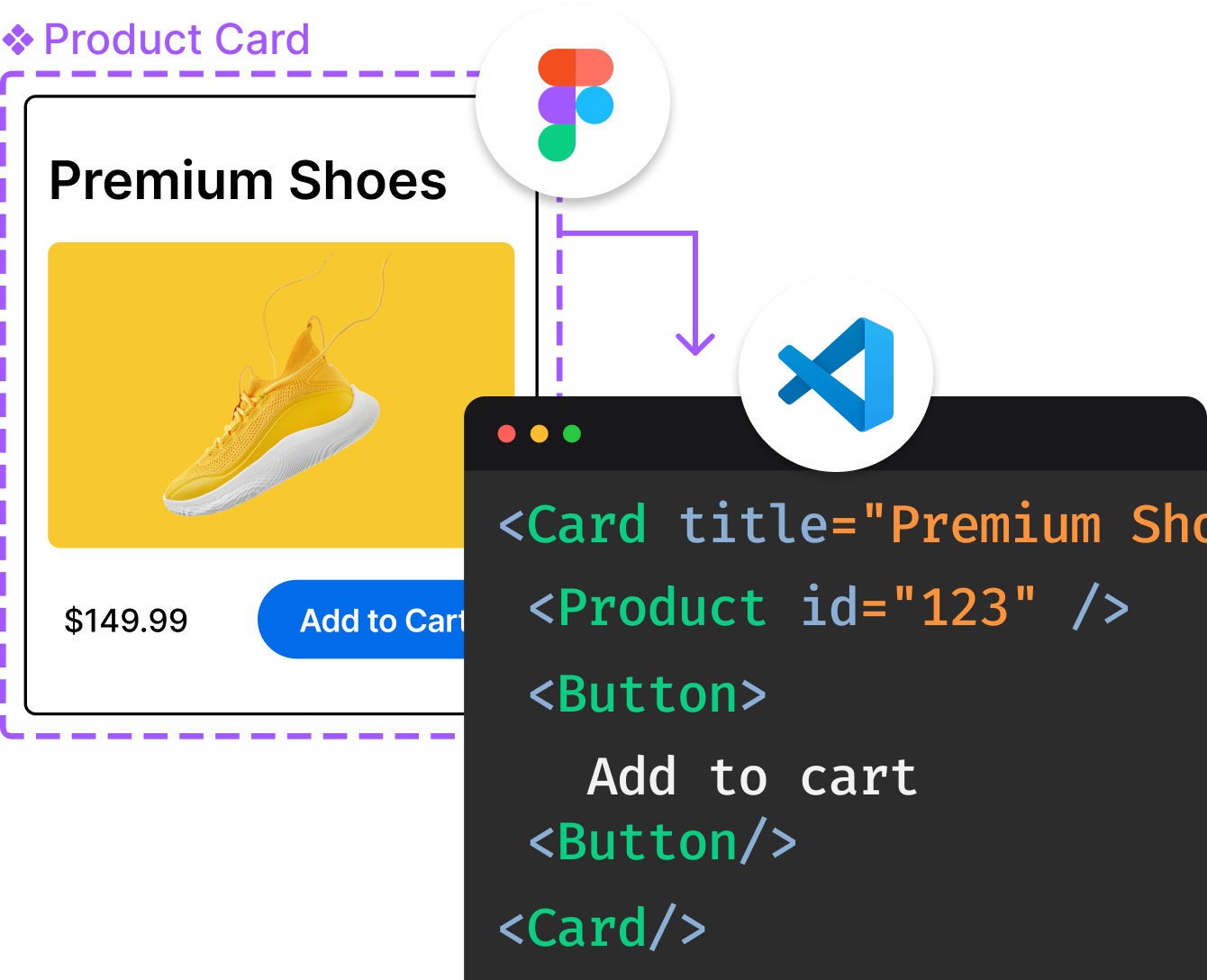
Introducing Visual Copilot: A new AI model to turn Figma designs to high quality code using your components.
Try Visual CopilotREADME
 borb
borb





borb is a powerful and flexible Python library for creating and manipulating PDF files.
ð Overview
borb provides a pure Python solution for PDF document management, allowing users to read, write, and manipulate PDFs. It models PDF files in a JSON-like structure, using nested lists, dictionaries, and primitives (numbers, strings, booleans, etc.). Created and maintained as a solo project, borb prioritizes common PDF use cases for practical and straightforward usage.
⨠Features
Explore borbâs capabilities in the examples repository for practical, real-world applications, including:
- PDF Metadata Management (reading, editing)
- Text and Image Extraction
- Adding Annotations (notes, links)
- Content Manipulation (adding text, images, tables, lists)
- Page Layout Management with
PageLayout
â¦and much more!
ð Installation
Install borb directly via pip:
pip install borb
To ensure you have the latest version, consider the following commands:
pip uninstall borb
pip install --no-cache borb
ð Getting Started: Hello World
Create your first PDF in just a few lines of code with borb:
from pathlib import Path
from borb.pdf import Document, Page, PageLayout, SingleColumnLayout, Paragraph, PDF

# Create an empty Document
d: Document = Document()

# Create an empty Page
p: Page = Page()
d.append_page(p)

# Create a PageLayout
l: PageLayout = SingleColumnLayout(p)

# Add a Paragraph
l.append_layout_element(Paragraph('Hello World!'))

# Write the PDF
PDF.write(what=d, where_to="assets/output.pdf")
ð License
borb is dual-licensed under AGPL and a commercial license.
The AGPL (Affero General Public License) is an open-source license, but commercial use cases require a paid license, especially if you intend to:
- Offer paid PDF services (e.g., PDF generation in cloud applications)
- Use
borbin closed-source projects - Distribute
borbin any closed-source product
For more information, contact our sales team.
ð Acknowledgements
Special thanks to:
- Aleksander Banasik
- Benoît Lagae
- Michael Klink
Your contributions and guidance have been invaluable to borb's development.
Top Related Projects
PyMuPDF is a high performance Python library for data extraction, analysis, conversion & manipulation of PDF (and other) documents.
A pure-python PDF library capable of splitting, merging, cropping, and transforming the pages of PDF files
borb is a library for reading, creating and manipulating PDF files in python.
Community maintained fork of pdfminer - we fathom PDF
A Python library for reading and writing PDF, powered by QPDF
Small python-gtk application, which helps the user to merge or split PDF documents and rotate, crop and rearrange their pages using an interactive and intuitive graphical interface.
Convert designs to code with AI
Introducing Visual Copilot: A new AI model to turn Figma designs to high quality code using your components.
Try Visual Copilot